

Lawn Maintenance FAQs: Solving Common Lawn Problems

Keeping your property looking consistent can feel challenging. Patchy turf, thinning growth, insects, and uneven color often show up even when you believe you are doing the right things. These issues affect how your space functions and how confident you feel about it. Clear information changes that so you can make informed decisions and stay confident in how your lawn is cared for over time.
How Do I Get Rid Of Grubs In My Lawn?
Grubs in lawn areas often go unnoticed until visible damage appears. Turf may lift easily, thin sections may spread, or birds may dig repeatedly in the same areas. These insects feed on grass roots, weakening the structure below the surface. Strong lawn maintenance practices begin with confirming whether grubs are actually present.
An integrated approach focuses on treating only when necessary. This protects beneficial organisms and supports long-term soil balance. Healthy turf with deep roots is naturally more resilient. Practices such as aeration, correct mowing height, and seasonal nutrient timing reduce the likelihood of recurring damage. Larger properties often benefit from structured programs like
commercial landscape maintenance programs that align treatments with seasonal conditions rather than reacting late.
What’s The Best Way To Control Weeds In My Grass?
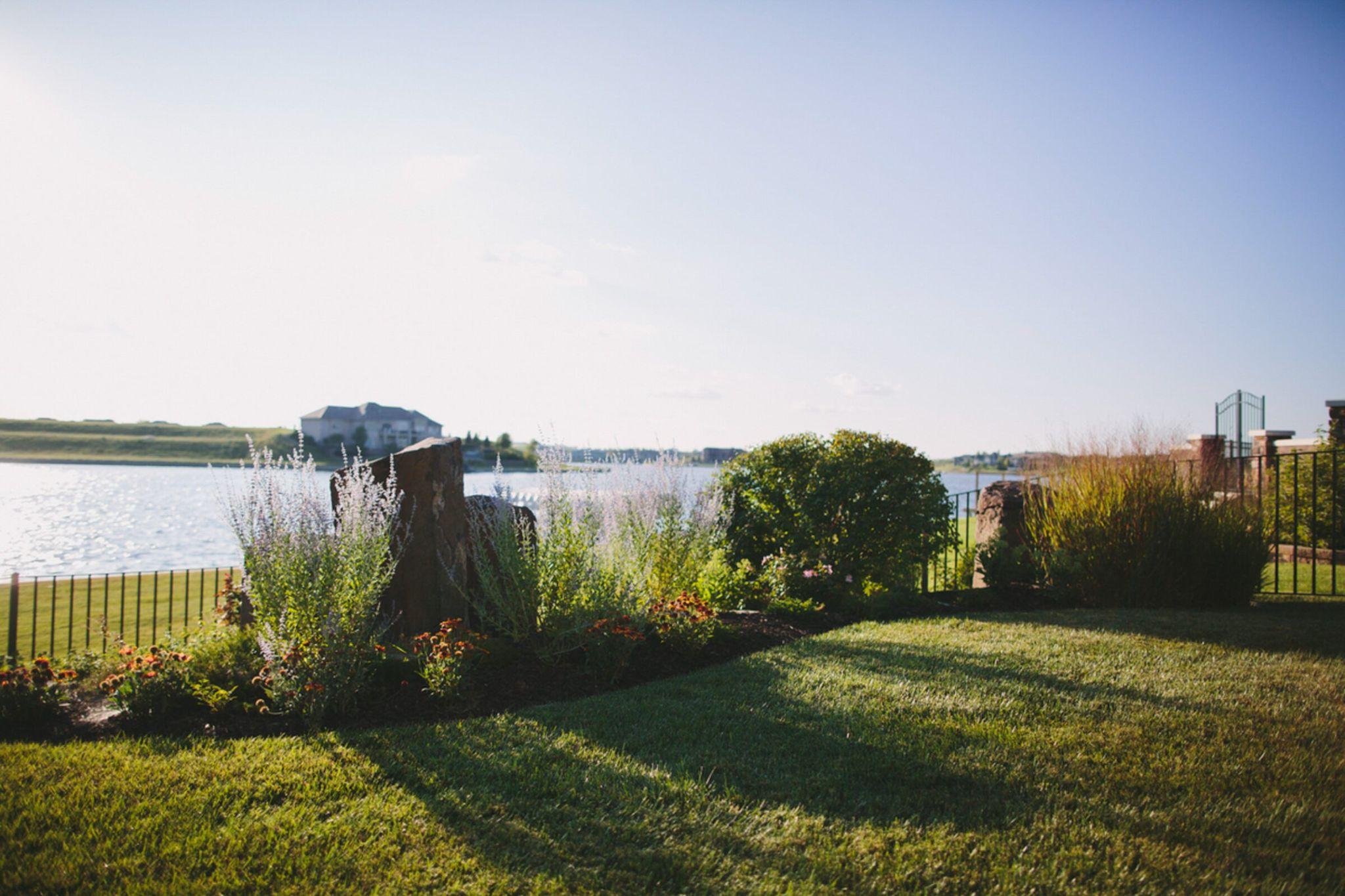
Weeds in grass lawns are one of the most common frustrations. Many people want organic results but do not want to pull weeds regularly. It is important to set expectations honestly. Completely chemical-free care is difficult without consistent hands-on effort.
A thoughtful lawn maintenance plan looks at why weeds appear instead of reacting to symptoms. Compaction, thin turf, or inconsistent watering usually create openings for weeds. Addressing those factors leads to steadier results.
Why Do I Have Patches Of Dead Grass And How Can I Fix Them?
Dead grass often appears because of stress rather than one single cause. Compacted soil, pet traffic, drought, or drainage issues can all play a role. Identifying the reason matters before repairs begin.
Repairing bare areas works best when reseeding is combined with soil preparation. Loosening soil, improving organic content, and keeping moisture consistent help new growth establish. Strong lawn maintenance habits focus on recovery that lasts rather than quick surface fixes.
When And How Should I Dethatch My Lawn?

Dethatching lawn surfaces becomes necessary when organic material builds up between soil and grass blades. Some thatch is normal, but excess blocks water and nutrients.
Spongy turf or uneven growth often signals a problem. The best time to dethatch is during active growth so grass can recover quickly. For most cool-season lawns, early fall is ideal.
Mechanical dethatching removes buildup and improves airflow. Follow-up care matters. Light watering and overseeding support recovery. Dethatching works best as part of a complete lawn maintenance routine rather than as a stand-alone task.
How Often Should I Fertilize My Lawn And What Should I Use?
Lawn fertilization supports steady growth when timed properly. Applying too often encourages excessive top growth without strengthening roots.
Most lawns respond best to seasonal feedings spaced through the growing cycle. Products should match soil needs rather than relying on generic schedules. Slow-release options provide consistent nutrients without sudden surges.
Low-chemical approaches protect soil health and long-term performance. This supports balanced lawn maintenance decisions rather than short-term visual results.
When Is The Best Time To Overseed My Lawn?
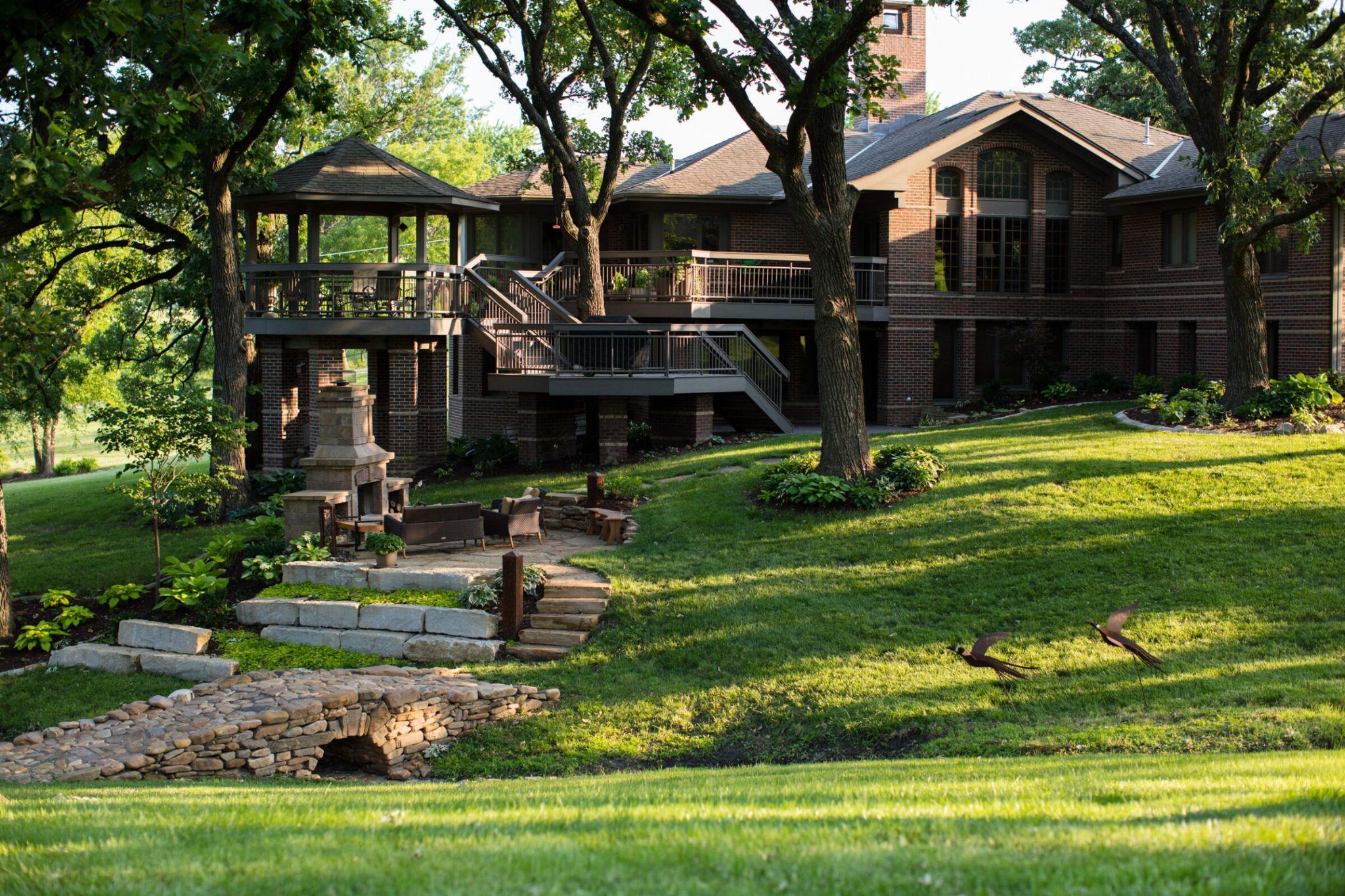
Understanding when to overseed lawn areas depends on climate and turf type. Early fall offers the best conditions for cool-season grasses. Temperatures support germination while limiting weed competition.
Overseeding improves turf density and fills thin areas. Light surface preparation improves seed-to-soil contact. Combined with aeration, overseeding strengthens roots and improves resilience. Proper lawn maintenance planning ensures new growth integrates evenly.
How Often And How Much Should I Water My Lawn?
Deep, infrequent watering encourages roots to grow downward. Shallow watering creates weak surface roots.
Most lawns need about one inch of water per week, including rainfall. Morning watering reduces evaporation and disease risk.
Adjust schedules based on weather and soil drainage. Observing how moisture moves through the soil supports responsive lawn maintenance decisions rather than rigid routines.
How Can I Prevent Pests And Insects From Damaging My Plants?

Integrated pest management focuses on monitoring rather than automatic treatment. Many insects are beneficial.
Regular inspections identify issues early. Treating only when thresholds are reached protects beneficial species and reduces disruption. Healthy plants naturally resist pests better, supporting responsible lawn maintenance practices.
What Is Lawn Aeration And Does My Lawn Need It?
Aeration relieves compaction by creating openings for air and water. Compacted soil restricts roots and nutrient movement.
Signs include runoff and thinning turf. Fall aeration supports recovery and prepares turf for winter. Aeration works best as a core part of long-term lawn maintenance planning.
How Do I Prepare My Lawn And Garden For Winter?

Winter preparation strengthens spring recovery. Final mowing, leaf removal, and balanced nutrients help plants enter dormancy strong.
Avoid traffic on frozen turf. Late-season care focuses on soil health, which supports reliable lawn maintenance results year after year.
What Are Some Low Maintenance Landscaping Ideas For My Yard?
Low-maintenance landscapes rely on smart plant selection and layout. Native plants adapt well to local conditions.
Defined edges, mulched beds, and efficient irrigation simplify upkeep. Thoughtful planning supports sustainable lawn maintenance with less ongoing effort.
How Can I Conserve Water While Maintaining My Landscape?

Efficient irrigation reduces waste. Drip systems and smart scheduling deliver water where it is needed.
Healthy soil holds moisture longer. Low-chemical fertilizer practices improve microbial activity and water retention, supporting balanced lawn maintenance goals.
Can Overwatered Plants Or Lawns Recover On Their Own?
Overwatering reduces oxygen in the soil. Yellowing and shallow roots often follow.
Recovery starts with correcting watering habits. Fall aeration improves drainage and airflow. Balanced lawn maintenance restores conditions rather than masking symptoms.
What Is The Ideal Mowing Height For A Healthy Lawn?
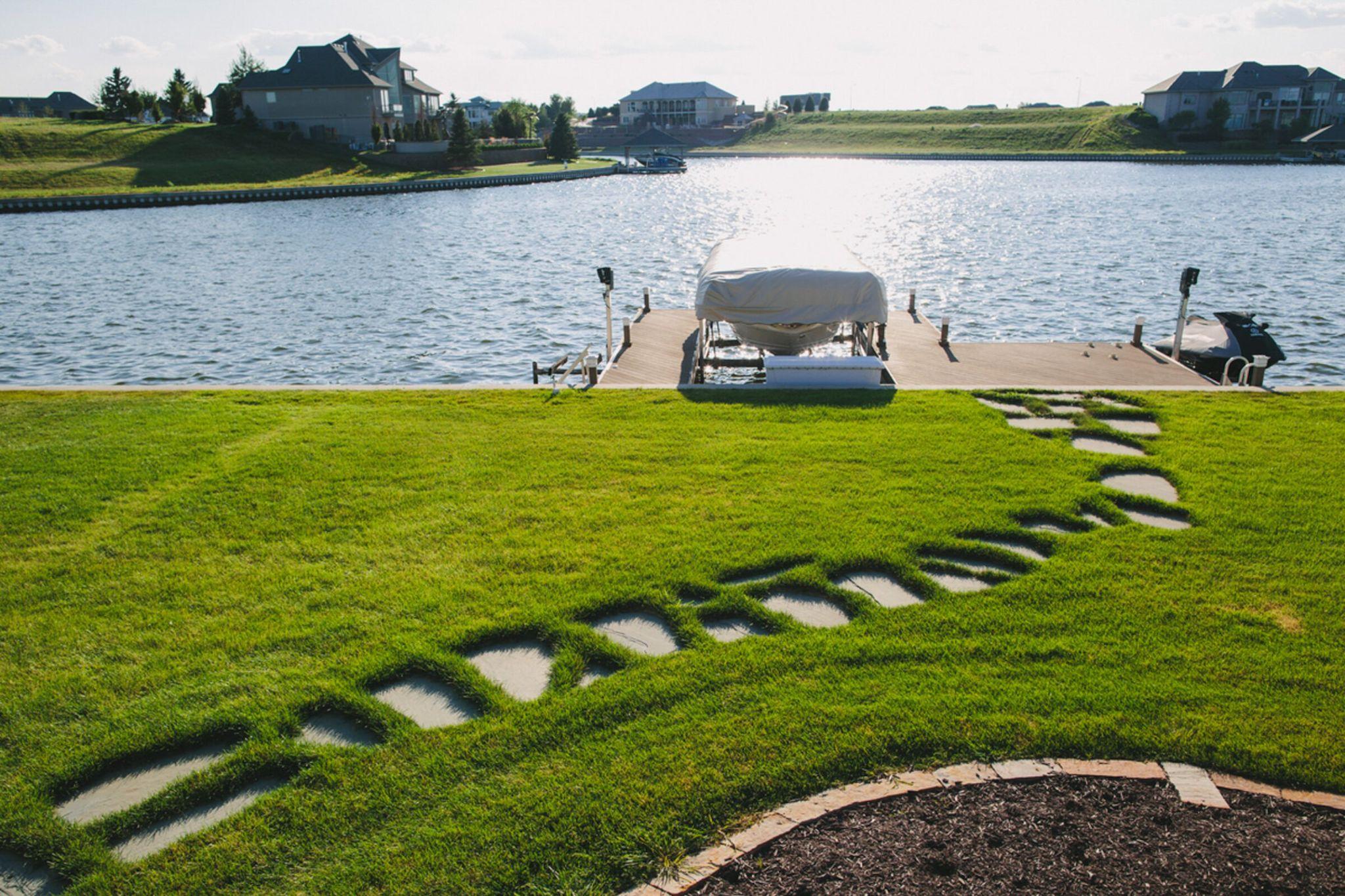
University of Nebraska recommends keeping cool-season grasses around three inches tall.
Higher mowing shades the soil and reduces weed pressure. Sharp blades prevent tearing. Consistent mowing supports dependable lawn maintenance results.
How Do I Reduce Chemicals In My Lawn Care?
Reducing inputs starts with soil health. Healthy soil needs fewer interventions.
Spot treatments replace broad applications. Monitoring conditions guides decisions. This approach supports responsible lawn maintenance over time.
How Can I Get Rid Of Weeds Without Chemicals?

Manual removal, mulching, and dense turf reduce weed pressure. Consistent mowing and watering limit opportunities for weeds to establish.
This method takes patience but aligns with long-term lawn maintenance goals.
If You Have Lawn Problems, Start With The Soil
Soil testing reveals nutrient balance and contaminants such as lead. Addressing soil conditions improves every aspect of growth.
Sun Valley offers soil testing to guide decisions. Strong lawn maintenance always begins below the surface and is supported by professional lawn care services that adapt to actual site conditions.
Caring for your landscape requires consistency, awareness, and informed choices. When your plan supports soil health, root strength, and seasonal timing, your property remains reliable year after year. If you are ready to take a proactive approach supported by clear communication and trained professionals, you can book a consultation.
Summary
Strong lawn maintenance starts with understanding how your property responds to care, weather, and soil conditions so you can prevent problems and support steady growth over time. This guide addresses common questions and concerns around those issues.
Tags: