

10 Low-Maintenance Front Yard Landscaping Ideas to Save Time
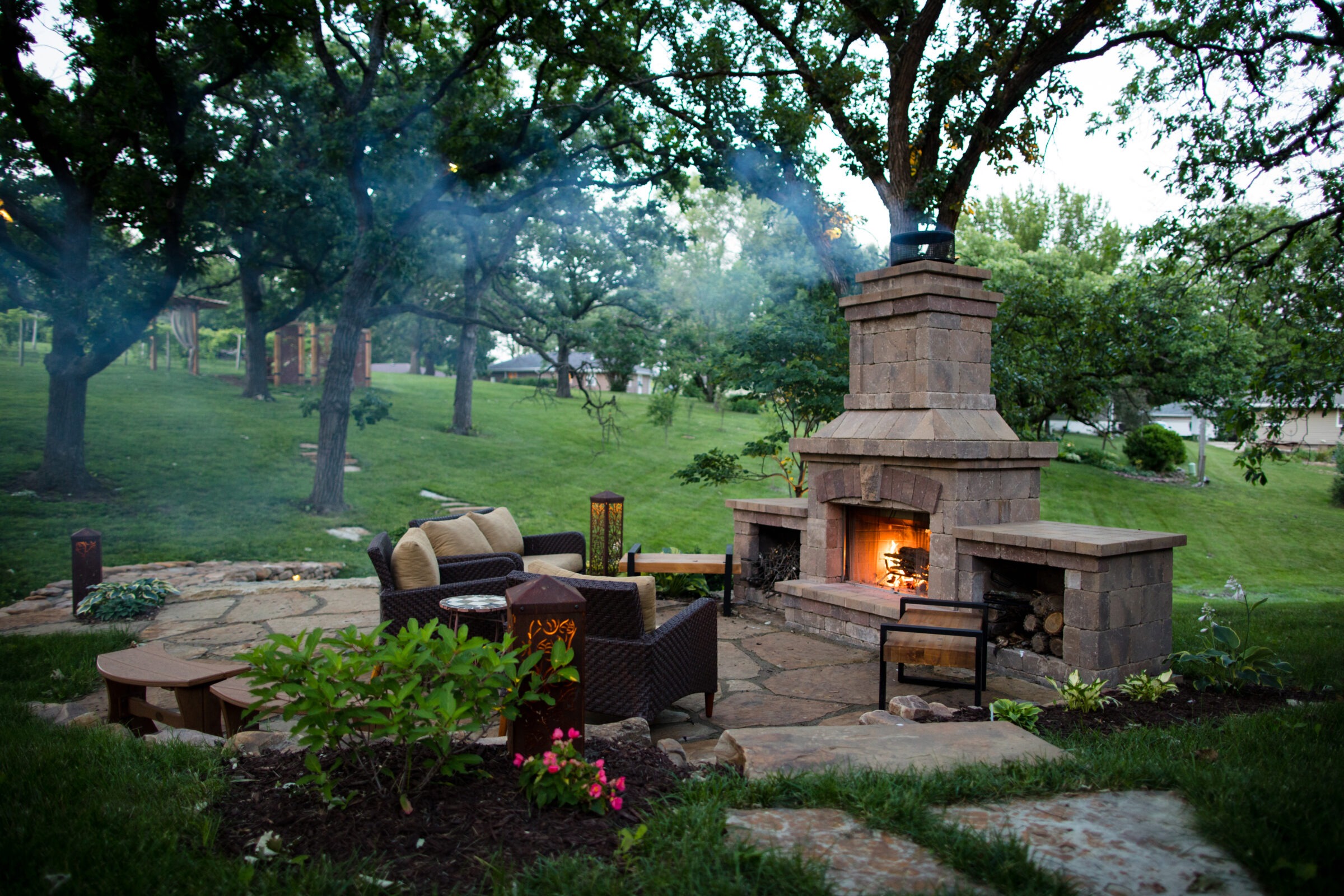
Your front yard is the first impression of your home, but keeping it looking pristine can take hours of work each week. Between mowing, watering, pruning, and weeding, maintaining a traditional landscape can quickly become overwhelming. Fortunately, there are ways to design a front yard that looks beautiful while saving you time and effort. Low-maintenance front yard landscaping focuses on plants, materials, and design techniques that reduce ongoing upkeep without sacrificing style. If you’re searching for practical landscaping ideas for the front of the house, implementing thoughtful plant selection, efficient irrigation, and strategic hardscape placement can make your yard both striking and easy to manage.
By choosing the right plant material, incorporating drought-tolerant landscaping, and adding functional features like hardscaping and decorative gravel, you can create a landscape that works with your schedule instead of against it. You get a front yard that remains vibrant through the seasons and allows you to enjoy your home without feeling trapped in yard work.
This guide will give you ten actionable low maintenance front yard landscaping ideas, from selecting native plants to installing permanent edging, so your yard remains attractive year-round. Continue reading to discover how you can save time, protect water, and enhance your home’s curb appeal. For more insights on keeping your property thriving over time, check out our Guide to Landscape Maintenance for Long Term Property Care.
Use Native Plants Adapted to Your Climate
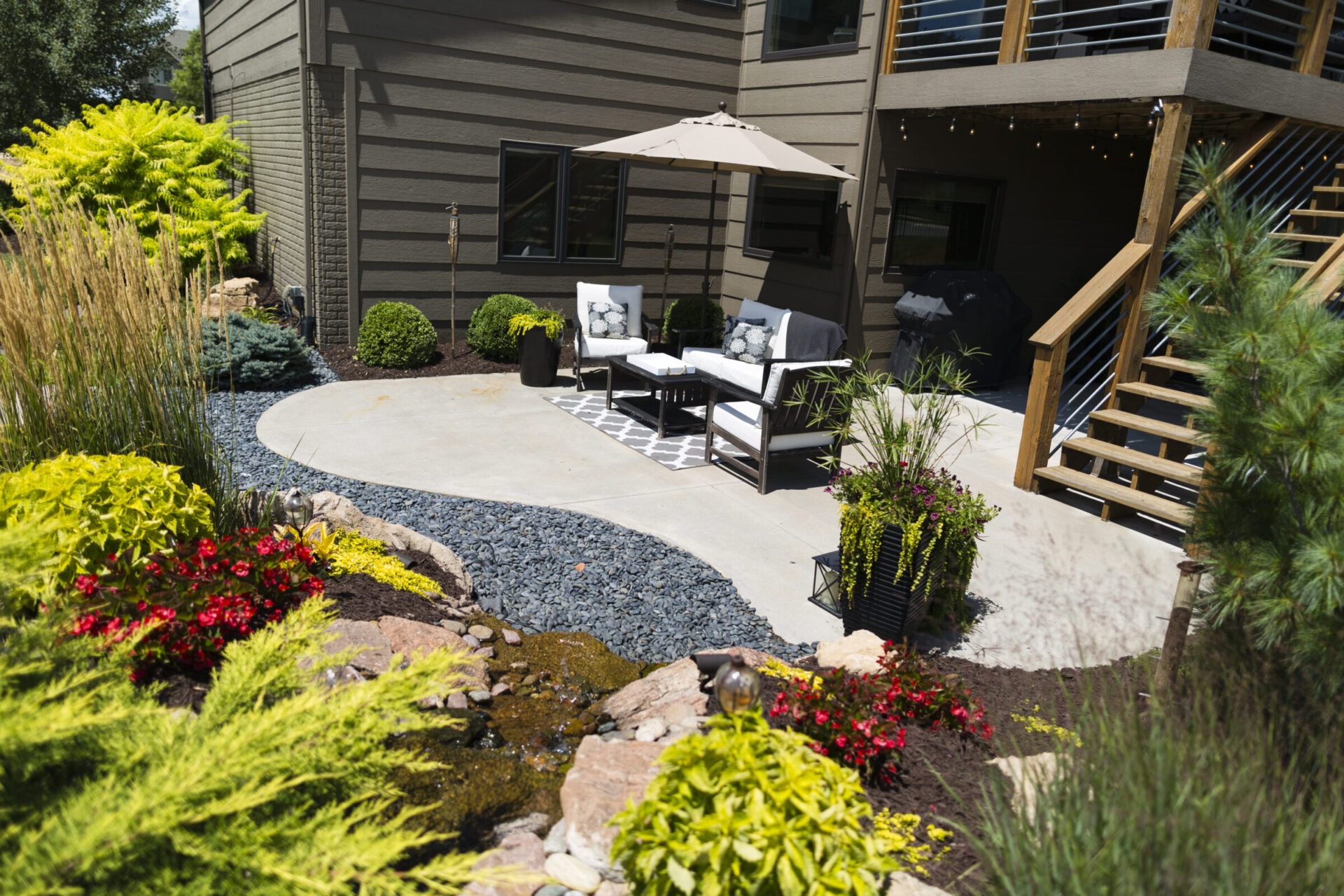
One of the most effective ways to reduce upkeep is to use plants that thrive naturally in your region. Native plants are adapted to Omaha’s climate, soil, and seasonal conditions, making them easier to maintain. By selecting the right plants, you get natural resilience against pests and weather extremes, saving hours of care each month.
To have a low maintenance yard landscaping plan, consider incorporating species such as Purple Coneflower, Little Bluestem, Switchgrass, Black-eyed Susan, and Eastern Redbud. These plants require minimal watering once established and are naturally suited to the local environment.
Proper installation is also essential. Planting with the correct spacing, using high-quality soil, and adding an initial irrigation system ensures your yard thrives from the start. Many homeowners attempt DIY landscaping and end up frustrated when plants struggle or die. If you invest the time and planning upfront, including rock accents and irrigation, you’ll save significant effort in the long term.
Additionally, integrating a proper maintenance plan that includes seasonal pruning and soil care will help your native plants flourish. By combining native species with thoughtful design, you can enjoy a sustainable and visually appealing front yard that doesn’t demand constant attention.
Opt for Drought-Tolerant Plants (Xeriscaping)
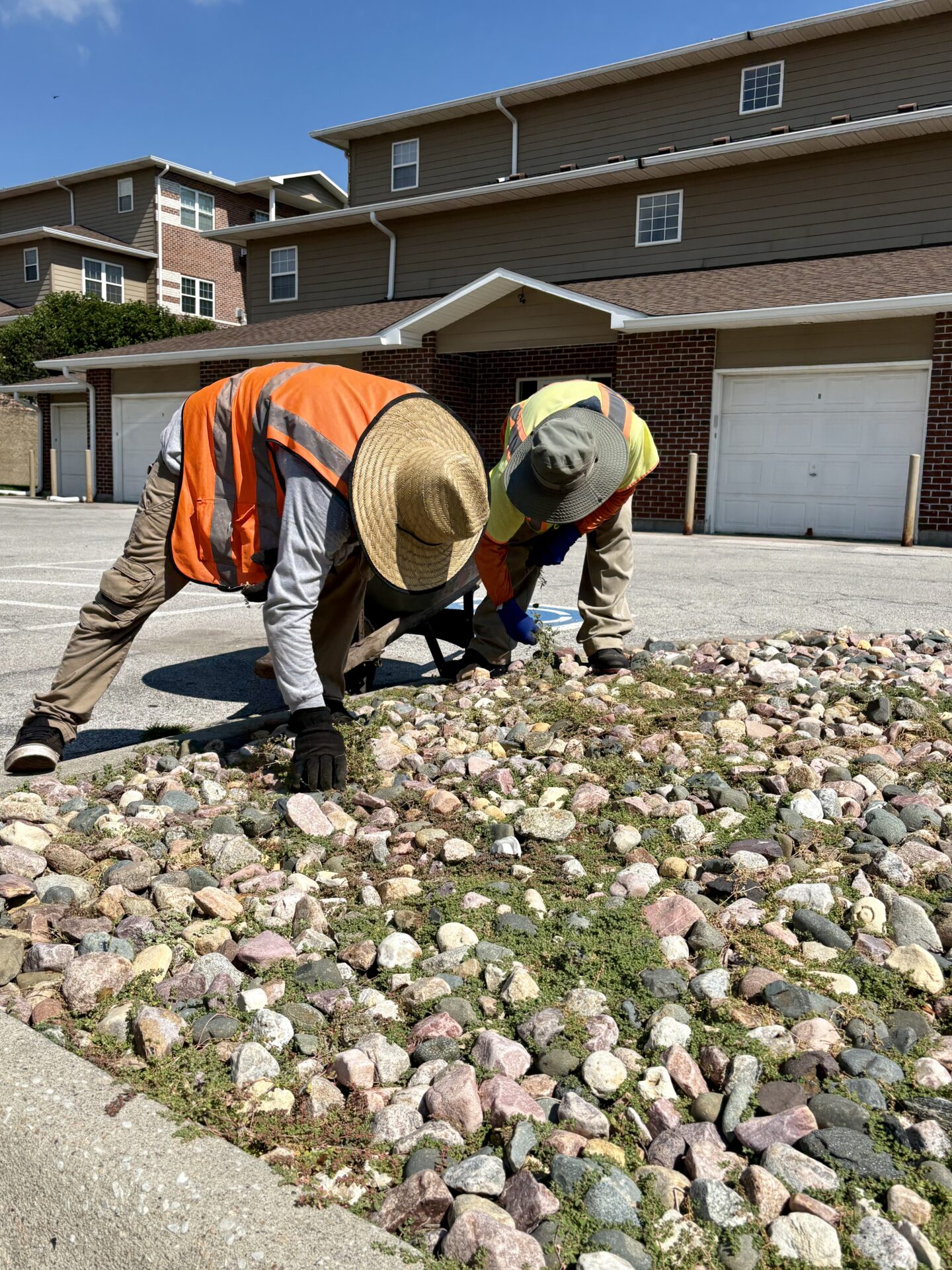
Drought-tolerant landscaping or xeriscape landscaping focuses on water-efficient plants and sustainable practices. Using plants that thrive with minimal irrigation reduces your reliance on frequent watering, cutting both labor and utility usage. You get a front yard that remains healthy even during dry spells.
Popular drought-tolerant options for Omaha include Russian Sage, Sedum, Ornamental Grasses, and Yucca. Xeriscaping also encourages the use of soil amendments and mulch to retain moisture naturally. This approach allows you to create a vibrant, colorful front yard while conserving water.
You can also combine xeriscape plants with gravel to create striking contrast and further reduce maintenance. These landscapes require less mowing, less fertilization, and fewer pest interventions, allowing your front yard to remain visually appealing with minimal effort.
Incorporating drought-tolerant plants doesn’t mean sacrificing design. You can mix textures, heights, and colors to create visual interest while keeping upkeep low. With proper placement and irrigation planning, your low maintenance landscaping will be sustainable, cost-effective, and time-saving for years to come.
Incorporate Mulch or Rock Groundcovers to Reduce Weeds
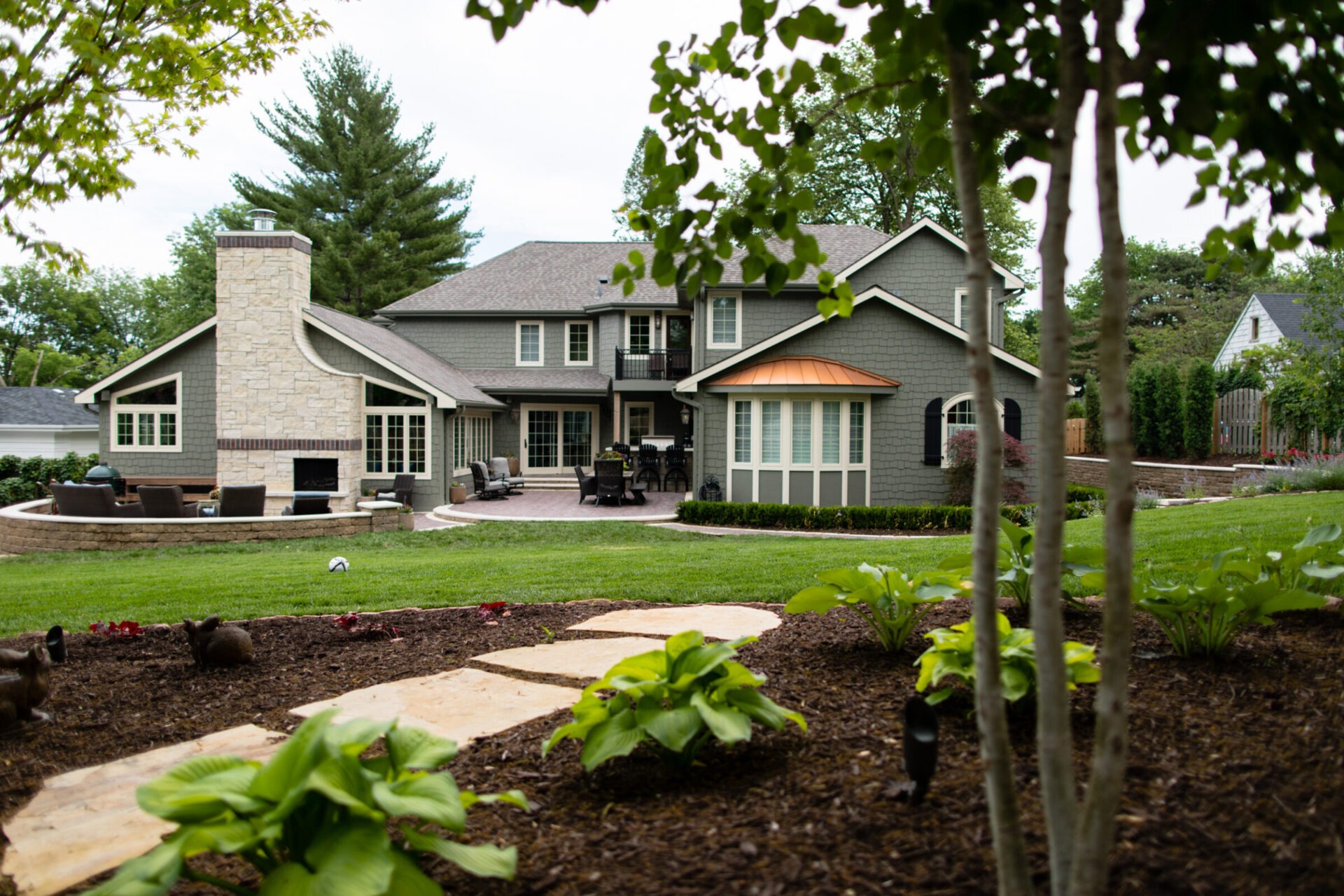
Mulch and rock groundcovers are simple ways to minimize weeds, retain soil moisture, and create a polished look. By adding layers of mulch around plants or using gravel, you reduce the need for frequent weeding, which is a common source of frustration in front yards.
Mulch options like shredded bark, wood chips, or pine straw to create a clean, natural appearance while insulating plant roots. Decorative gravel provides a more permanent solution that can highlight pathways, accent plants, or create focal points. Both options also support landscaping principles by cutting down watering needs and soil erosion.
When selecting groundcovers, ensure you apply an appropriate depth, usually 2–4 inches, to effectively suppress weed growth. Combining mulch or gravel with low maintenance plants further decreases the time spent on yard care. You also get flexibility in design; you can mix textures, colors, and sizes to create a visually appealing layout that complements your home.
Using groundcovers correctly sets the stage for efficient long-term maintenance. Your low maintenance front yard landscaping can remain neat, reduce water usage, and provide a durable foundation for other landscaping elements, like hardscape paths or small seating areas.
Design a Landscape That Recycles Water
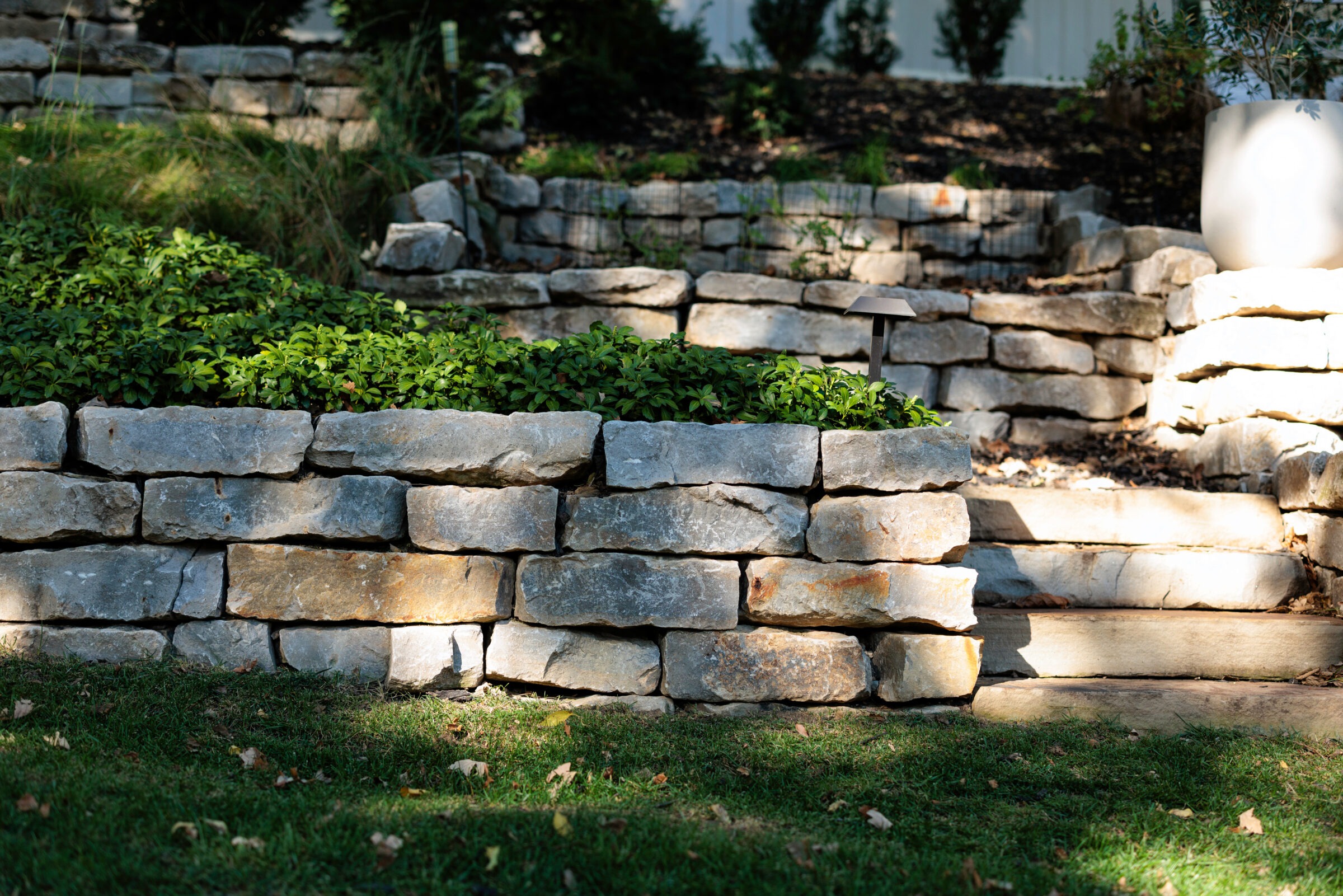
Water conservation can play a major role in maintaining your front yard with minimal effort, making for simpler landscape maintenance. Designing a landscape that captures and reuses water ensures plants remain hydrated while reducing manual watering. Features like rain gardens, retention gardens, or strategically placed swales channel excess water to areas that need it most.
Installing an automated drip irrigation system complements these designs by delivering water directly to plant roots, reducing evaporation and overwatering. Grouping plants by water needs and incorporating slopes that guide rainwater ensures your yard remains lush without excessive labor.
You also get the added benefit of preventing water runoff that can damage lawns or sidewalks. Combined with drought-tolerant landscaping, recycled water systems create an eco-friendly, sustainable yard.
This approach requires upfront planning but significantly reduces ongoing maintenance. You can enjoy a vibrant front yard that remains green even in periods of low rainfall while cutting down on weekly watering chores. By integrating water recycling with your low maintenance front yard landscaping, you build a system that supports long-term health and appearance.
Minimize Lawn Areas with Low-Maintenance Grass Alternatives
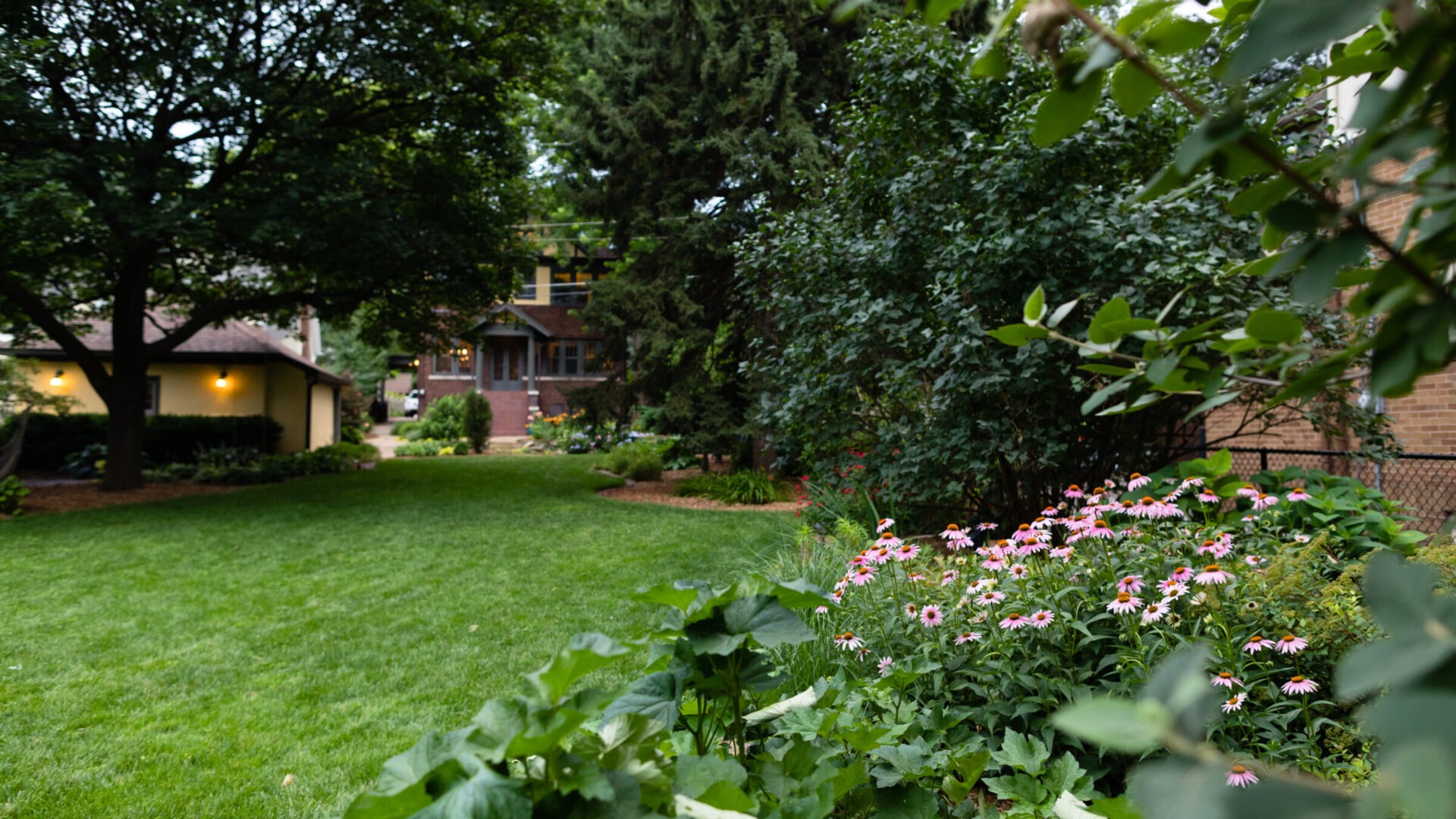
Lawns often demand the most time and effort in a front yard. Mowing, fertilizing, and watering can quickly add up. By reducing traditional grass areas and using low-maintenance grass alternatives, you get a more manageable landscape.
Consider replacing some lawn areas with ornamental grasses, clover blends, or groundcovers like creeping thyme. These options require less mowing, fewer chemicals, and less water. You also get the chance to introduce texture and color that elevate your front yard’s design.
Pairing these alternatives with gravel, native plants, or small hardscape elements creates a cohesive look that balances greenery with low-maintenance features. The result is a front yard that remains visually striking while freeing up your time.
By rethinking the role of grass in your landscape, you embrace low maintenance front yard landscaping principles and create a yard that adapts to your lifestyle. Less lawn equals more flexibility and reduced upkeep without sacrificing aesthetics.
Choose Perennials Instead of High-Maintenance Annuals
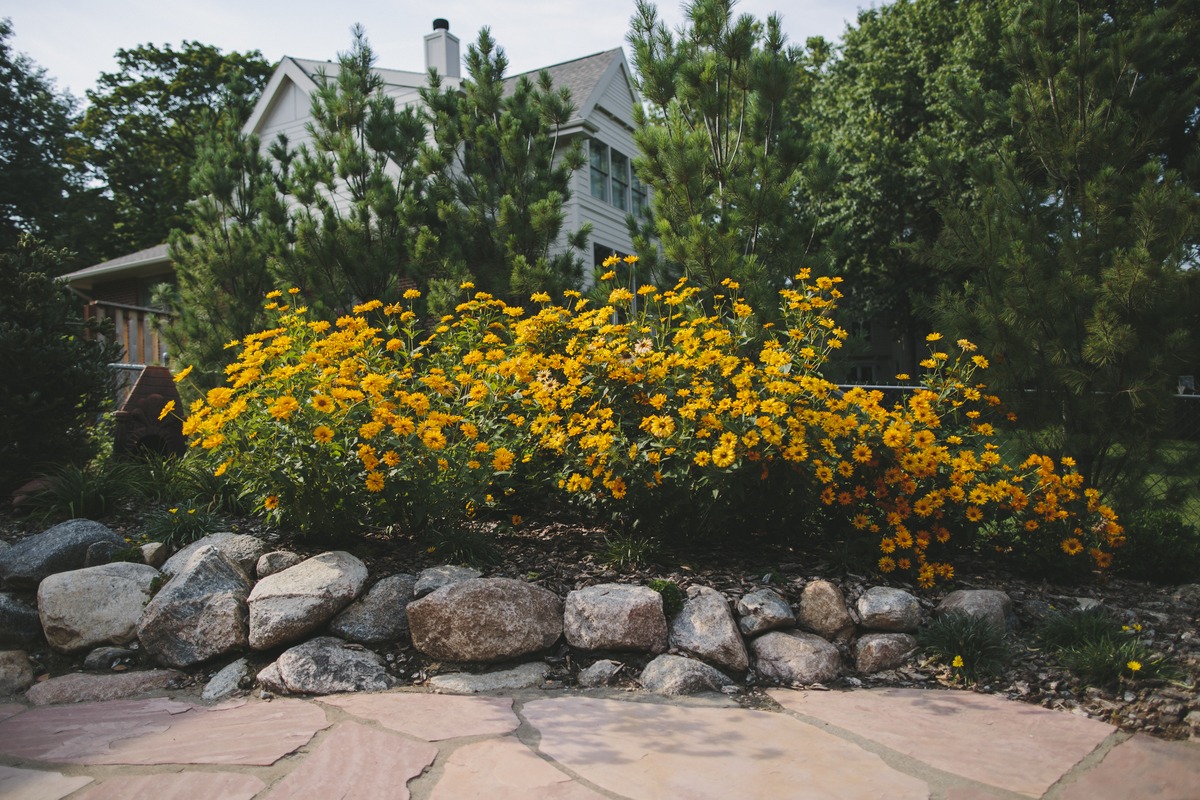
Perennials are plants that return year after year, unlike annuals that must be replanted every season. Selecting perennials for your front yard reduces the work involved in seasonal planting and provides consistent beauty.
Examples for Omaha include Coneflowers, Daylilies, Black-eyed Susans, and Hosta. You get blooms and greenery without the yearly hassle of replanting. Pairing perennials with mulch or gravel further minimizes maintenance, as these materials help retain moisture and prevent weeds.
Perennials also encourage biodiversity, attracting pollinators while maintaining your yard’s vibrancy. With thoughtful planning, you can ensure blooms throughout multiple seasons.
By focusing on long-lasting plants, your low maintenance landscaping becomes sustainable and reliable. You enjoy a beautiful space that continues to grow stronger each year, requiring less time and energy to maintain.
Group Plants by Water Needs for Efficient Care
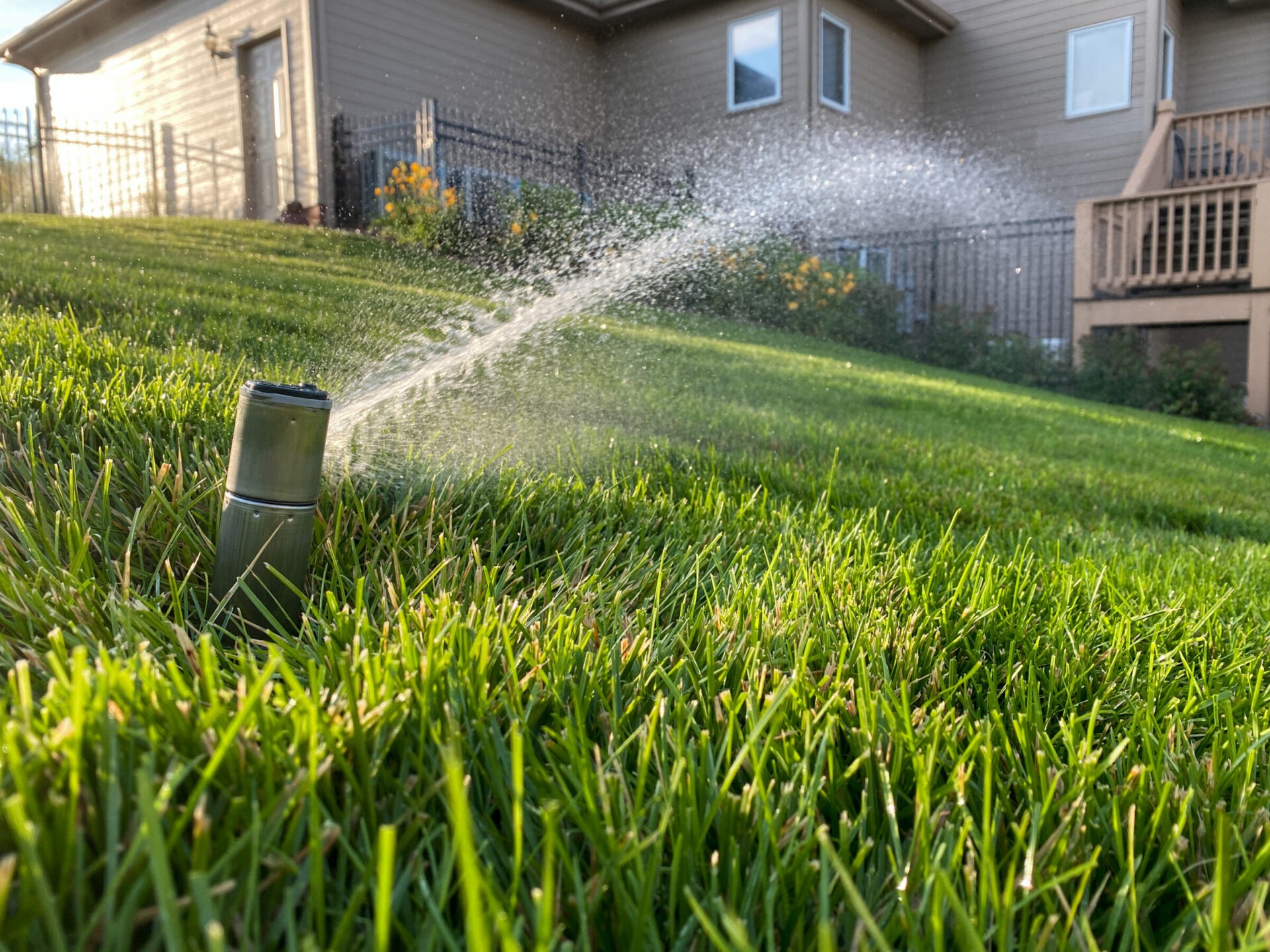
Efficient watering is easier when you organise your plants by water requirements. Grouping high-water plants separately from drought-tolerant ones ensures each receives the right amount, avoiding overwatering or underwatering.
Using drip irrigation or targeted watering systems allows you to meet these needs precisely. This approach helps your landscape thrive while reducing the time spent on monitoring and adjusting irrigation manually. You also prevent water wastage and create healthier plants overall.
Grouping plants strategically allows for creative design while maintaining landscaping principles. You can pair perennials with similar water needs, combine ornamental grasses, or arrange shrubs that require minimal irrigation in clusters.
By tailoring care to each plant group, your yard remains efficient and sustainable. Less fuss equals more enjoyment, allowing you to appreciate your front yard without constant upkeep.
Add Hardscaping (Patios, Paths) to Reduce Upkeep
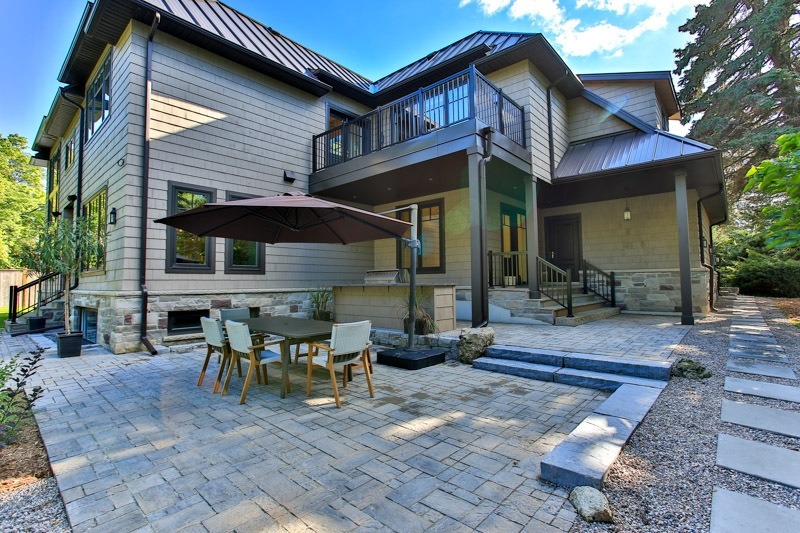
Hardscape landscaping adds functionality and beauty while reducing ongoing maintenance. Patios, walkways, stone paths, and gravel areas require minimal care compared to lawns or flower beds.
You get a durable, attractive surface that allows for outdoor activities without daily upkeep. Adding pathways also protects soil and plants from foot traffic, reducing wear and tear. Decorative gravel, stone pavers, and retaining walls are versatile elements that can complement plantings and native landscapes.
Hardscaping can also define zones within your yard, guiding visual flow and creating a sense of order. By combining these elements with native and drought-tolerant plants, you achieve a balanced landscape that requires less water, weeding, and mowing. Thoughtful hardscape features like patios, walkways, and retaining walls not only enhance aesthetics but also provide functional spaces for outdoor activities and gatherings. Incorporating decorative gravel or stone accents reduces maintenance while adding texture and interest. For more inspiration on integrating durable and stylish hardscaping into your yard, check our Hardscaping & Construction service page to explore options that complement your low maintenance front yard landscaping.
Investing in hardscaping enhances your low maintenance front yard landscaping, giving you practical and stylish features that stand the test of time.
Install Permanent Edging to Keep Lawn and Beds Separate
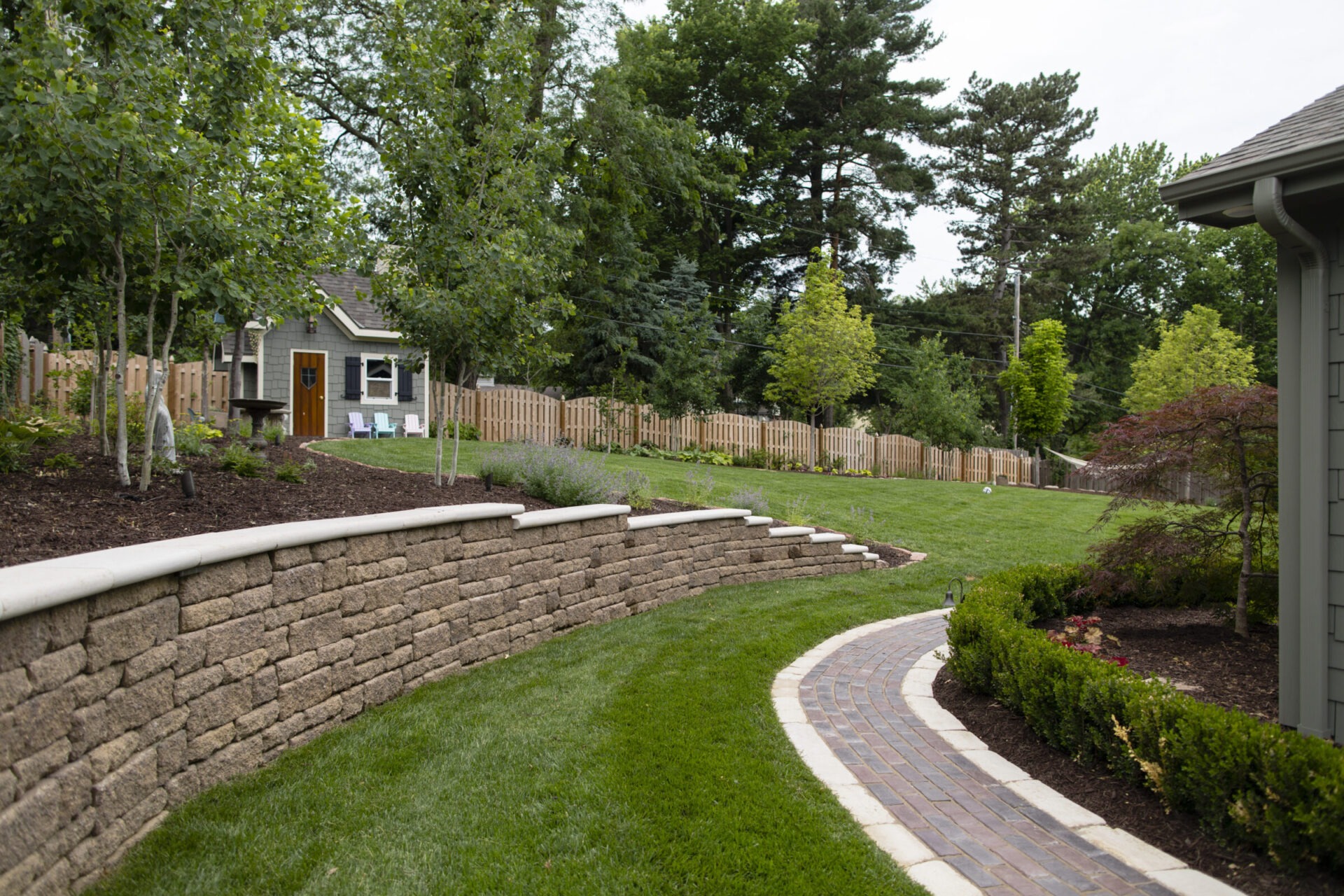
Permanent edging separates lawn areas from planting beds, reducing the time spent trimming and maintaining clean lines. Materials like metal, stone, or high-quality plastic create clear boundaries that remain intact year-round.
Edging prevents grass from invading beds, minimizes weed migration, and gives your yard a polished, intentional look. Combined with gravel or mulch, permanent edging ensures that low maintenance landscaping remains tidy with minimal effort.
You also get the benefit of easier mowing and reduced risk of damaging plantings. Proper installation at the start saves repeated maintenance and preserves your yard’s appearance throughout the seasons.
By keeping your design structured and clear, you can focus on enjoying your front yard instead of constantly managing borders. Edging is a simple but highly effective step in your low maintenance front yard landscaping plan.
Simplify Your Design to Avoid High-Upkeep Features
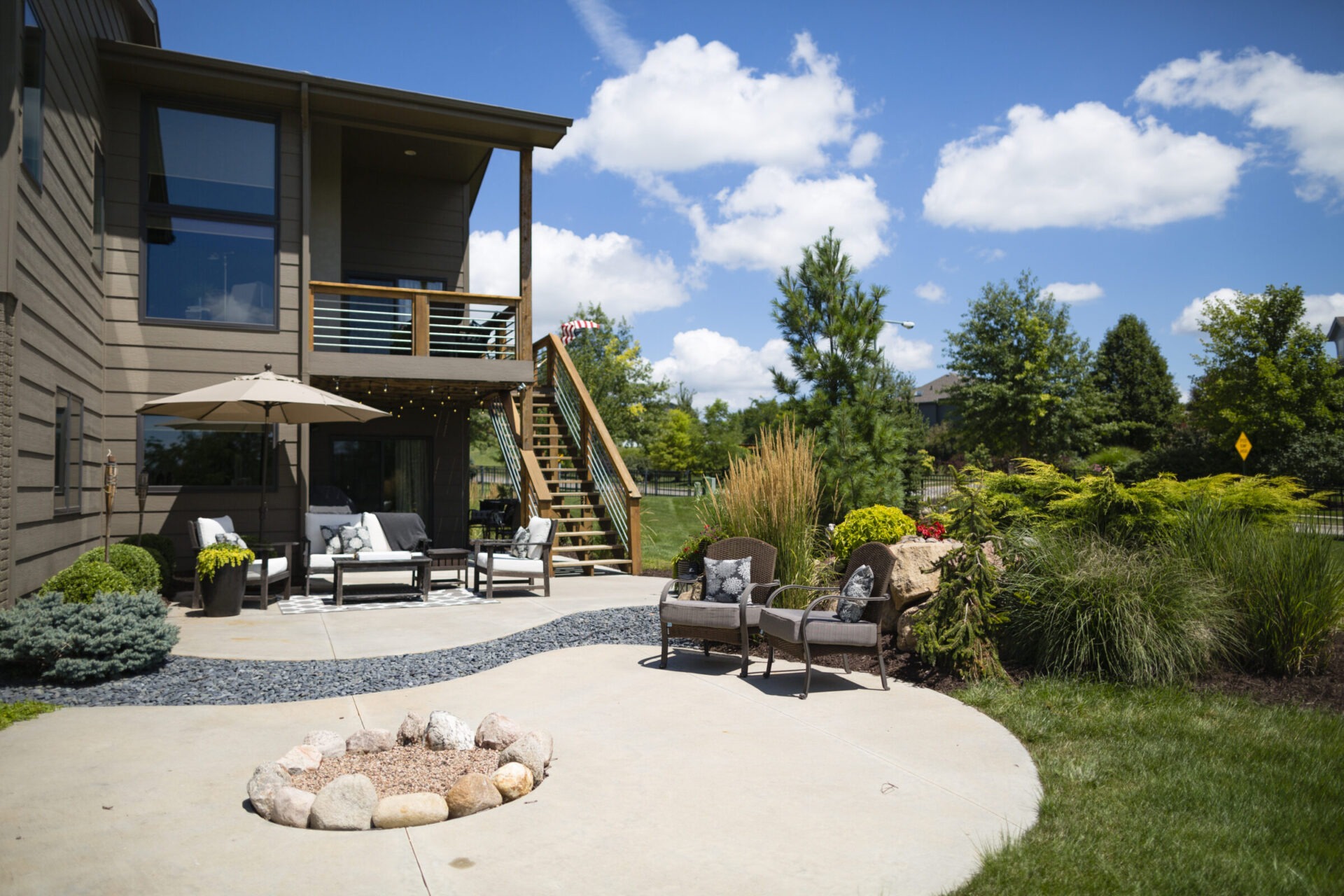
The most effective way to reduce maintenance is to keep your design simple. Avoid high-upkeep features like excessive ornamentation, water-intensive plants, or intricate layouts. Instead, focus on clean lines, repeatable plantings, and durable materials.
You get a cohesive, elegant yard that’s easier to maintain, reduces stress, and highlights your home’s architecture. Simplified designs also allow plants to flourish naturally, making your landscape resilient to seasonal changes and pests.
Pairing simplicity with native and drought-tolerant plants, mulch, and hardscaping ensures your yard remains attractive with minimal effort. This approach aligns perfectly with low maintenance front yard landscaping principles, providing long-term satisfaction without endless work.
Bringing it Together
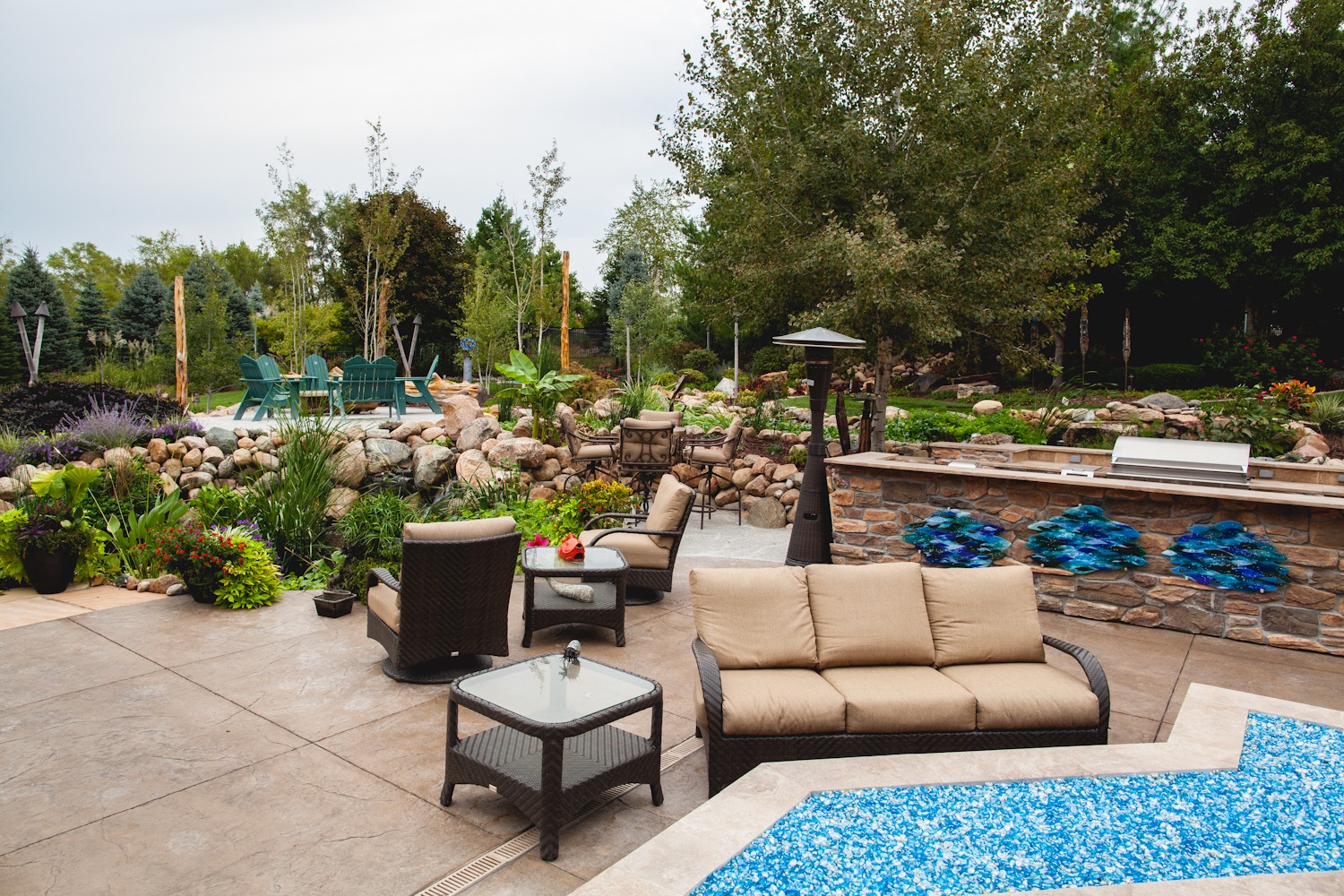
Front yard landscaping doesn’t mean sacrificing beauty or function. By choosing the right plants, incorporating drought-tolerant features, using mulch or gravel, and adding hardscaping, you can enjoy a sustainable, elegant front yard with minimal effort. Implementing these ten strategies helps you save time, conserve water, and maintain a striking landscape year-round. Careful planning, grouping plants by water needs, and selecting low-maintenance grass alternatives further reduce upkeep while enhancing curb appeal. Small details like permanent edging, well-placed paths, and decorative accents ensure your yard remains organized, functional, and visually appealing throughout the seasons.
Get expert advice to design your perfect low maintenance front yard and create a beautiful, sustainable landscape. Book a consultation today to get started.
Summary
Low maintenance front yard landscaping allows you to enjoy a vibrant, healthy, and attractive yard while minimizing upkeep. By using native plants, drought-tolerant landscaping, hardscape landscaping, and other low-maintenance strategies, you get a front yard that saves time and effort year-round. Incorporating decorative gravel, mulch, and strategically placed perennials further reduces watering, weeding, and trimming needs. Thoughtful design and proper planning at the start ensure your yard remains resilient, visually appealing, and easy to manage through every season, giving you more time to enjoy your outdoor space with family and guests.
Tags: