

Your Guide to Landscape Maintenance for Long-Term Property Care

Is keeping up with your landscape maintenance becoming a constant challenge? Even if you chose low-maintenance front yard landscaping, you might still find weeds sprouting and bushes overgrowing their bounds. Without regular care, a beautifully designed yard can quickly turn into an untidy outdoor space that drags down your property’s appeal. Neglecting small lawn maintenance chores now can lead to bigger headaches later, from patchy grass and pest infestations to serious damage, such as overgrown tree roots cracking your walkways.
The good news is that a proactive approach to landscape maintenance can keep your property looking pristine and healthy throughout the year. By following consistent routines and addressing issues promptly, you protect your outdoor investment and avoid costly repairs. This guide will show you how to manage every aspect of landscape maintenance, from soil and turf care to garden maintenance and seasonal clean-ups, so you can enjoy a vibrant landscape with less stress.
What Does Landscape Maintenance Really Cover?
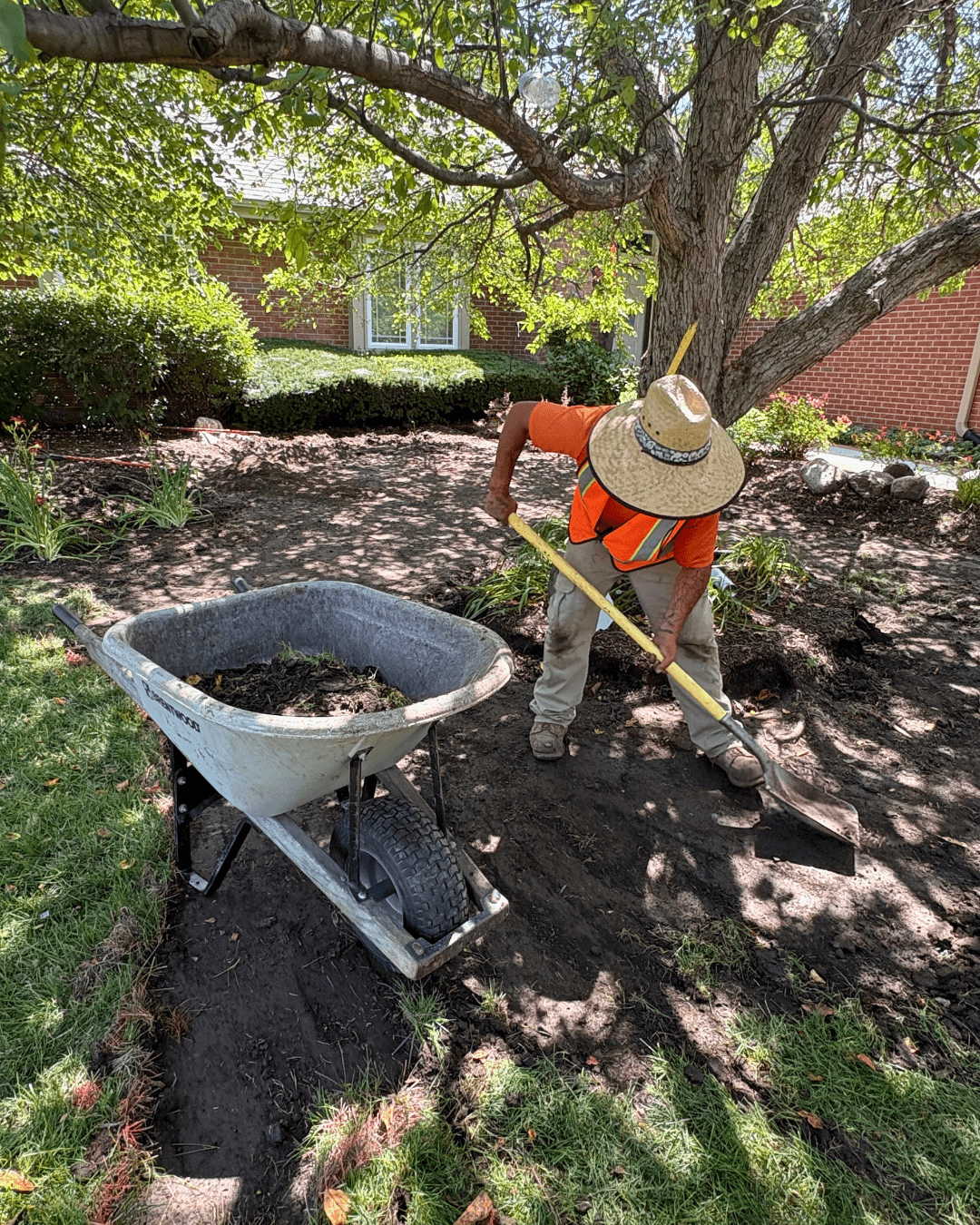
You might wonder if landscape maintenance is just a fancy term for mowing the lawn. In reality, it goes beyond basic lawn maintenance. It involves all the ongoing tasks necessary to maintain the health and attractiveness of your entire property’s outdoor areas. This means caring for everything from the soil underground to the tallest trees on your lot.
Soil care is the foundation. Without healthy soil, your plants and grass will struggle, regardless of how much you water or fertilize. Professional maintenance services often start with testing your soil’s pH and nutrient levels. In Omaha’s heavy clay soil, improving soil structure and chemistry is vital. Lawn care treatments aren’t only about greening up the grass, they treat the soil itself with amendments (like compost or gypsum), so roots can grow strong.
Beyond soil and grass, comprehensive landscape maintenance services cover tending to garden beds, shrubs, and trees. It includes tasks such as pruning branches, pulling weeds, mulching beds, and controlling pests. It also extends to hardscape upkeep, such as cleaning walkways or ensuring landscape lighting and irrigation systems work properly.
Why Does Consistent Landscape Maintenance Protect Your Property?
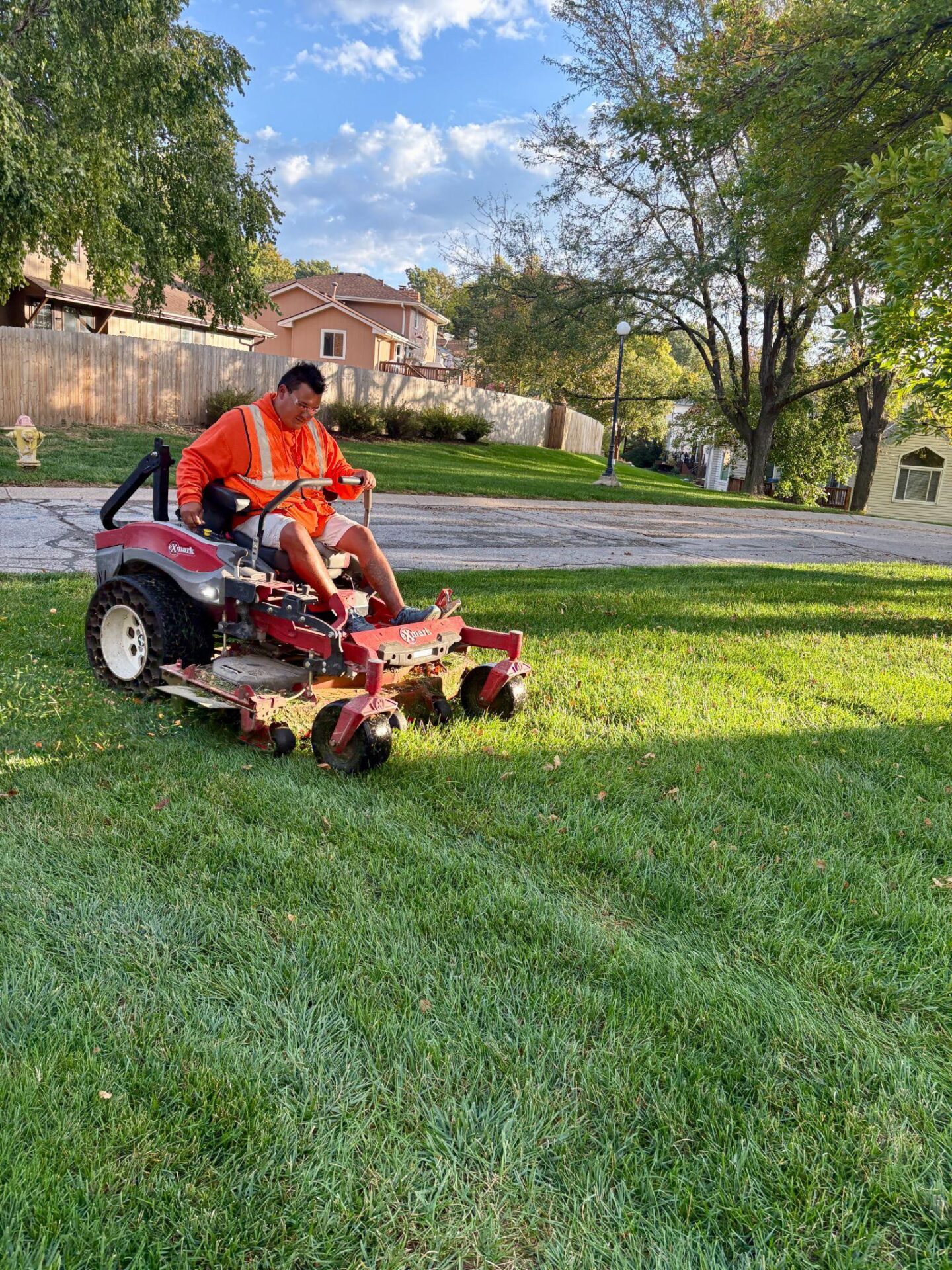
Consistent landscape maintenance is about more than curb appeal, it’s a form of property protection. Your property’s exterior environment has a direct impact on its structural integrity and value. Think of regular landscaping upkeep as a preventive health regimen for your home or business. By staying on top of issues through scheduled landscape maintenance services, you catch problems early and preserve the long-term stability of your grounds.
Routine maintenance prevents small issues from turning into costly damage. Prompt pruning of trees and shrubs keeps branches from scraping against siding or knocking into windows during storms. Consistent care also leads to healthier grass and plants, which helps stabilize soil and prevent erosion. If you manage a large campus or park, proactive commercial lawn care and tree maintenance reduce safety hazards like falling limbs or roots damaging sidewalks.
Moreover, a well-maintained landscape protects your property’s market value. A tidy, thriving yard signals that the entire property is cared for and in good condition. Curb appeal isn’t only about looks, it reflects underlying maintenance priorities.
What Routine Landscape Maintenance Tasks Should You Stay On Top Of?

Every landscape has recurring chores that need attention on a weekly, monthly, or seasonal basis. Keeping a simple landscape maintenance checklist of these routine tasks can help you stay organized and ensure nothing is overlooked. Here are some of the key landscape maintenance tasks you should stay on top of throughout the year:
- Mowing and Edging: Regularly mow at the recommended height and edge along driveways, walkways, and garden beds to maintain a neat and healthy lawn.
- Weeding: Regularly pull weeds from your lawn and garden beds to prevent them from overtaking your grass and plants.
- Watering and Irrigation Checks: Ensure your lawn and garden receive sufficient water. Check your sprinklers or drip lines often to ensure proper coverage and fix any leaks promptly.
- Trimming and Pruning: Trim shrubs and hedges regularly to maintain their shape and prevent branches from encroaching on paths or structures. This light pruning also encourages healthy new growth.
- Clearing Debris: Clear fallen leaves, branches, and other debris to keep your yard tidy and to prevent smothering of grass or pest problems. Even if you have a low-maintenance front yard landscaping design, removing debris regularly is one chore you can’t ignore.
- Lawn Fertilization and Treatment: Feed your lawn with fertilizer or soil amendments at the proper times to keep it nourished. Also watch for any signs of lawn pests or disease and address them promptly.
What Lawn Care Practices Support Long-Term Turf Health?
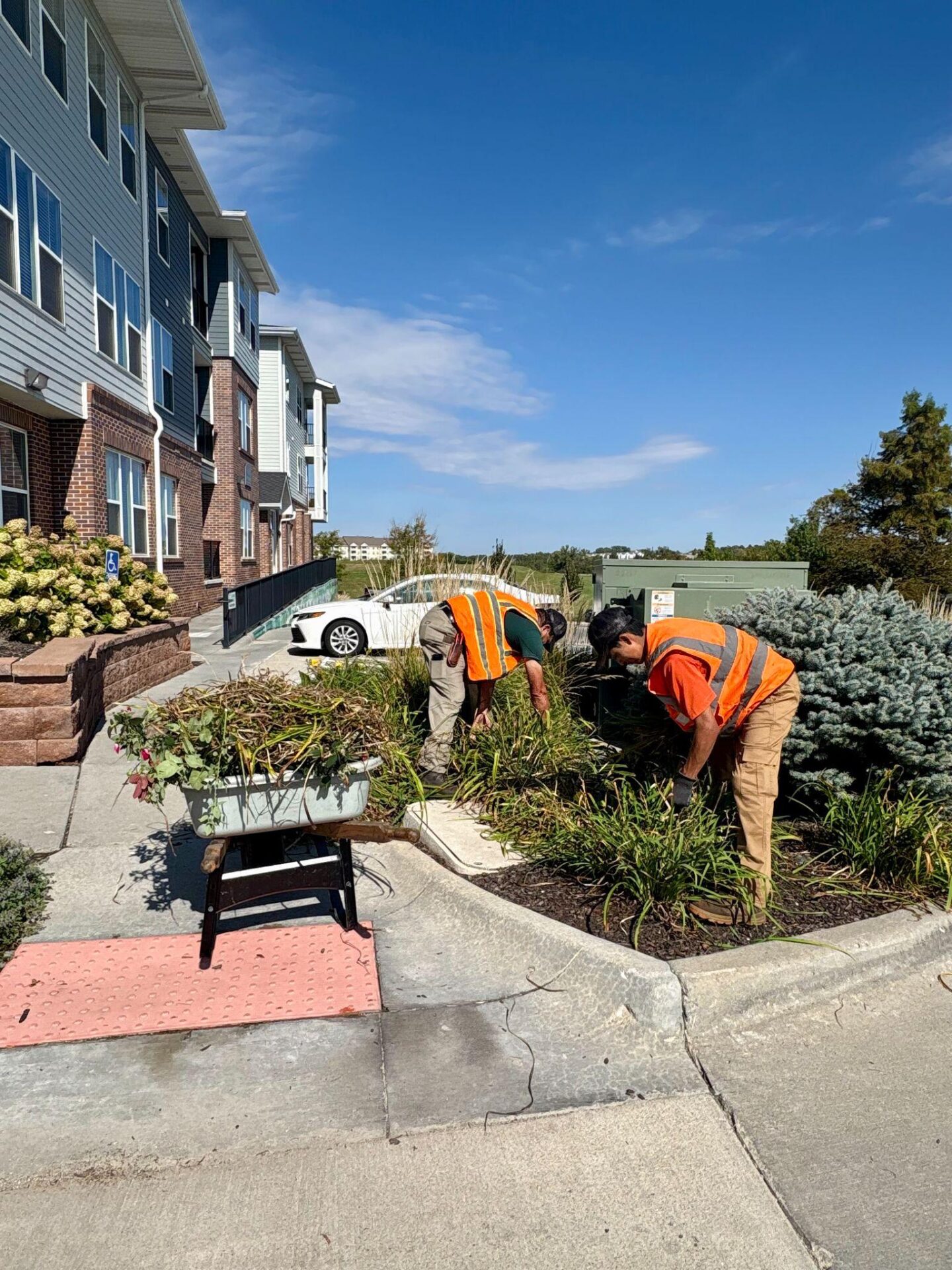
A lush, green lawn doesn’t happen by accident. It takes specific lawn maintenance practices, done properly and at the right times, to support long-term turf health. Whether you have a small front lawn or manage commercial lawn care for a large property, the principles remain the same. Here are the key lawn care practices you should integrate into your landscape maintenance program to keep your grass thriving year after year:
Mowing with the Right Technique: Mow at the proper height with sharp blades, and avoid cutting off more than one-third of the grass blade in a single mow. Using these mowing best practices keeps your lawn healthier and encourages thick grass that naturally crowds out weeds.
Fertilization and Soil Feeding: Give your lawn the nutrients it needs to stay green and strong. Applying fertilizer at least in spring and fall provides essential nourishment, and a soil test will show exactly what adjustments your soil needs to support healthy turf.
Aeration and Overseeding: Periodically aerate your lawn (typically once a year in fall) to relieve compacted soil by removing small plugs. This allows air, water, and nutrients to reach grassroots. After aerating, overseed to fill thin spots with new, resilient grass and keep your turf dense and lush.
How Does Garden and Plant Bed Maintenance Prevent Overgrowth?
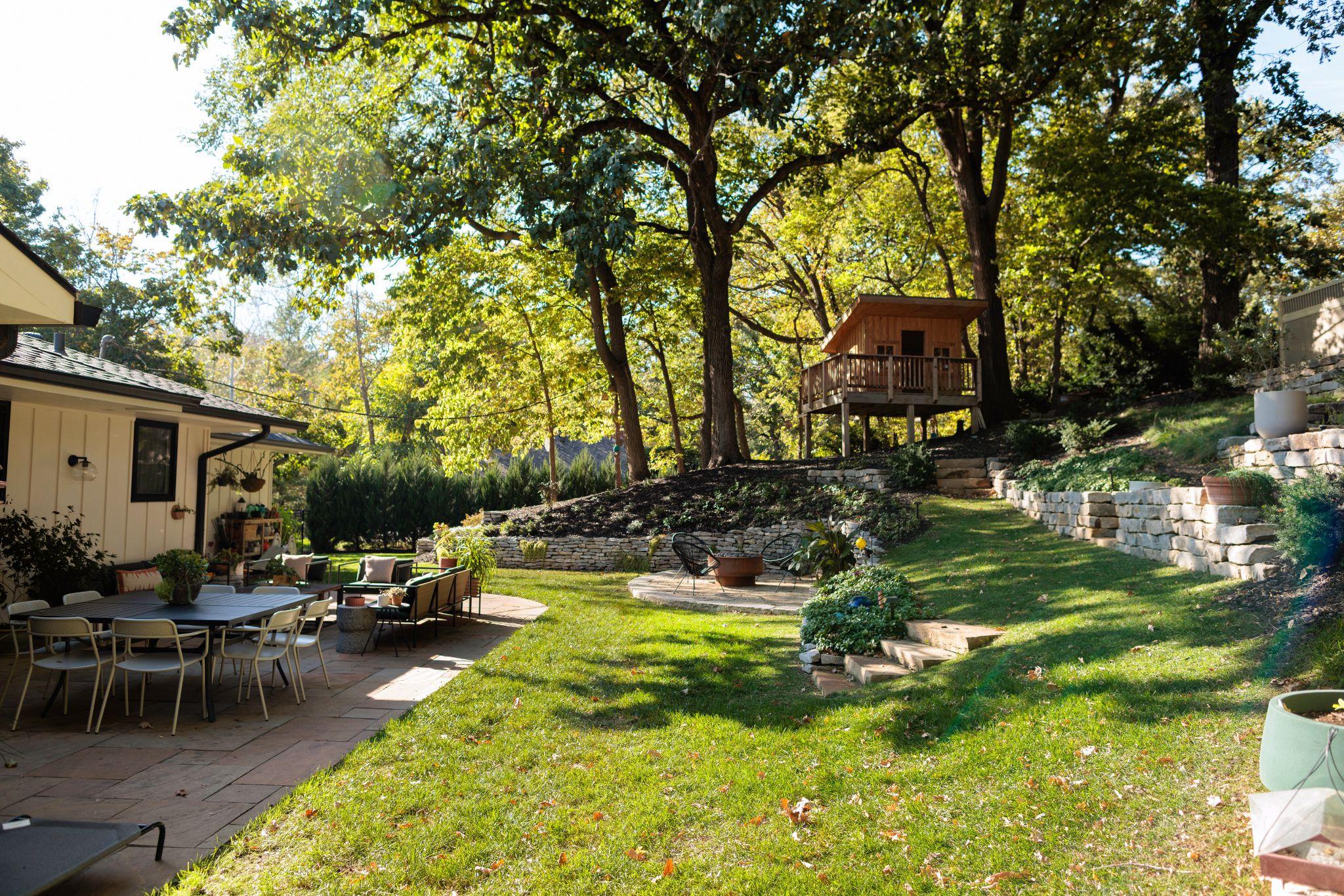
Without consistent care, garden beds can quickly become overgrown and messy. One key task to prevent that is frequent weeding. In garden beds, weeds seem to sprout overnight and can quickly choke out your flowers or shrubs. Pulling weeds when they’re small will save you from a major weeding nightmare later. It’s a simple part of landscape maintenance, but doing it consistently makes all the difference in keeping overgrowth at bay.
Mulching is another secret weapon. Keeping a few inches of mulch (like wood chips or straw) around your plants suppresses weed growth and helps soil retain moisture. It also gives beds a tidy, uniform look. Replenish mulch at least once a year as it breaks down.
Regular pruning and deadheading of your flowers and ornamental plants will keep them in check. By trimming back excess growth and removing spent blooms, you encourage plants to focus on new growth and blossoms rather than becoming leggy or seedy. These quick maintenance steps for plant beds prevent the “jungle” effect and keep your gardens an asset to your property’s appearance, rather than an eyesore.
How Can Tree and Shrub Care Help Avoid Structural Issues?
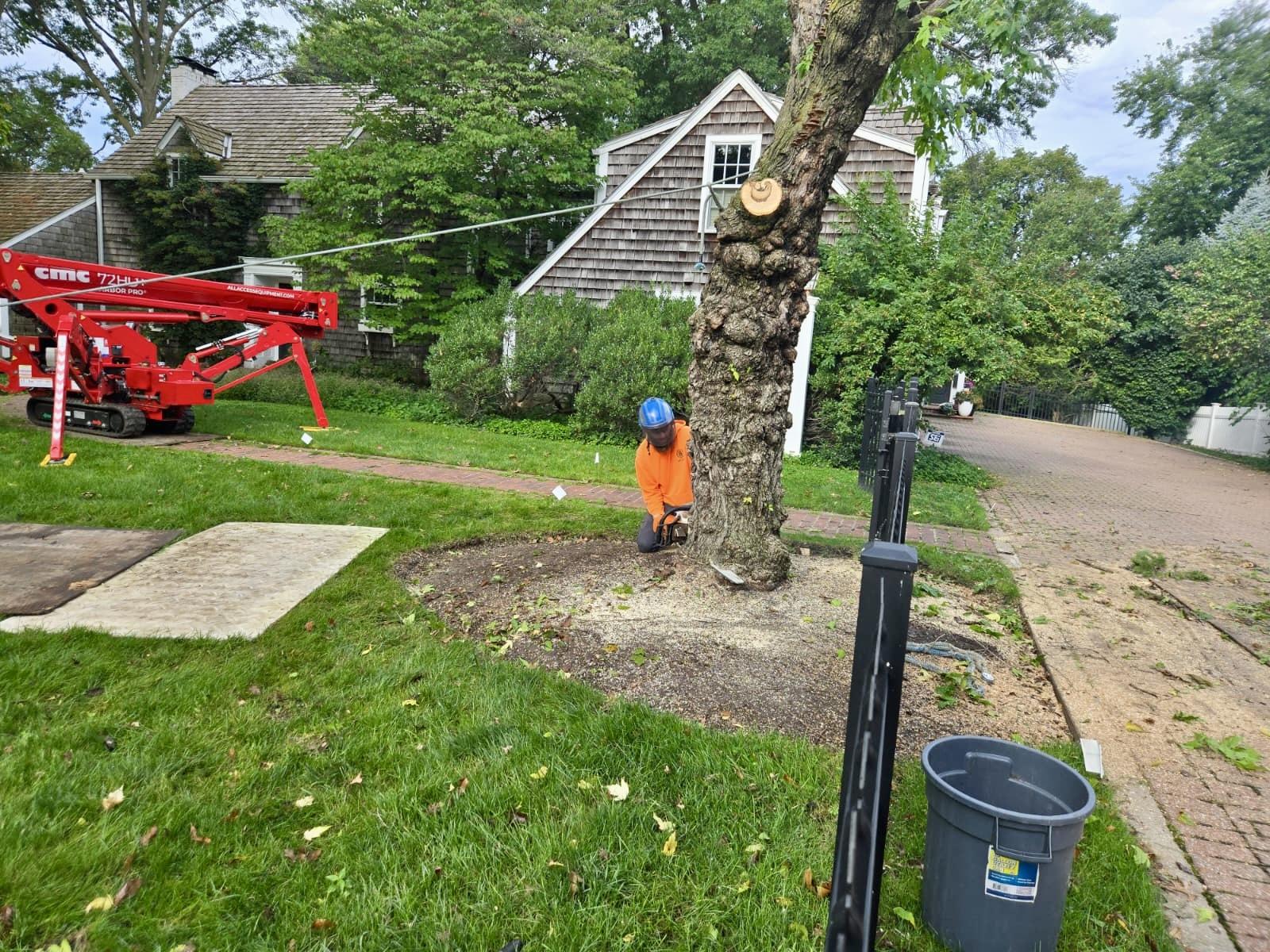
Trees and large shrubs are impressive features in any landscape, but if left unchecked they can cause structural issues for both your property and the plants themselves. Thoughtful tree and shrub care as part of your regular landscape maintenance routine helps avoid these problems before they start, keeping your yard safe and your greenery healthy.
One critical practice is periodic pruning. Overgrown tree limbs can become hazardous. Heavy branches might snap in high winds, or limbs could start scraping your roof or siding. By pruning trees on a proper cycle (often during dormant seasons), you remove dead or weak branches and guide the tree’s shape. This practice protects your home and power lines from wayward limbs, and it also improves the tree’s structural strength.
Shrubs close to your house should likewise be trimmed to prevent contact with walls and to maintain good airflow. If shrubs grow too dense or tall, they can trap moisture against your home or block windows and views. Routine light trimming keeps them well-shaped and at a manageable size. It’s much easier to make small pruning cuts regularly than to deal with a shrub that has grown into a massive thicket.
(Don’t forget the root zones of your trees. Be mindful of where trees are planted relative to driveways, sidewalks, or foundations; roots can extend far and potentially cause damage if not monitored.)
How Does Irrigation Maintenance Support Plant Health and Soil Stability?
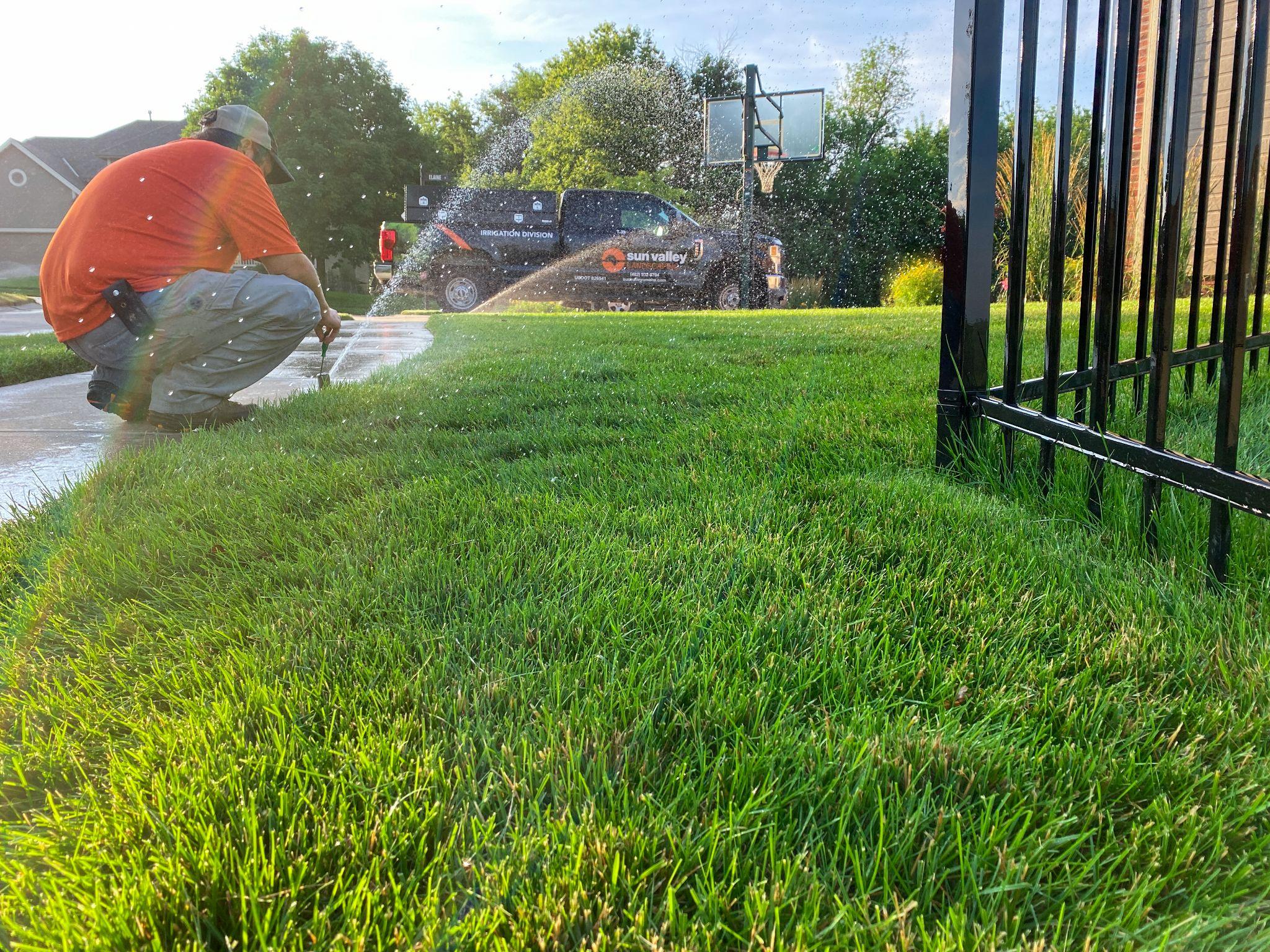
Water is life for your landscape, but an irrigation system can easily harm your yard if it’s not maintained. That’s why irrigation system care is a crucial part of landscape maintenance. Proper watering keeps plants healthy and soil in place, whereas poor irrigation upkeep can lead to dead plants, water waste, and even erosion problems.
Start with regular system check-ups. At least once or twice a season, run through your sprinklers or drip zones. Check that each sprinkler head is spraying the right direction and covering the intended lawn or garden area. Make sure nozzles aren’t clogged and that water pressure is sufficient. Often, a quick cleaning or adjustment can fix dry patches or prevent puddling.
Also watch for leaks or broken components. A small underground leak can create a boggy spot and wash away soil nutrients, destabilizing plant roots. Catching a leaky valve or pipe early will save water and protect your landscape from hidden damage.
Don’t neglect seasonal care for your system. In cold climates, be sure to winterize the irrigation system by blowing out lines before the first freeze to prevent burst pipes. By integrating irrigation maintenance into your overall landscape maintenance routine, you support the health of every plant on your property and maintain a stable, well-drained soil environment.
How Do Professional Seasonal Clean-Ups Prepare Your Property for What’s Next?
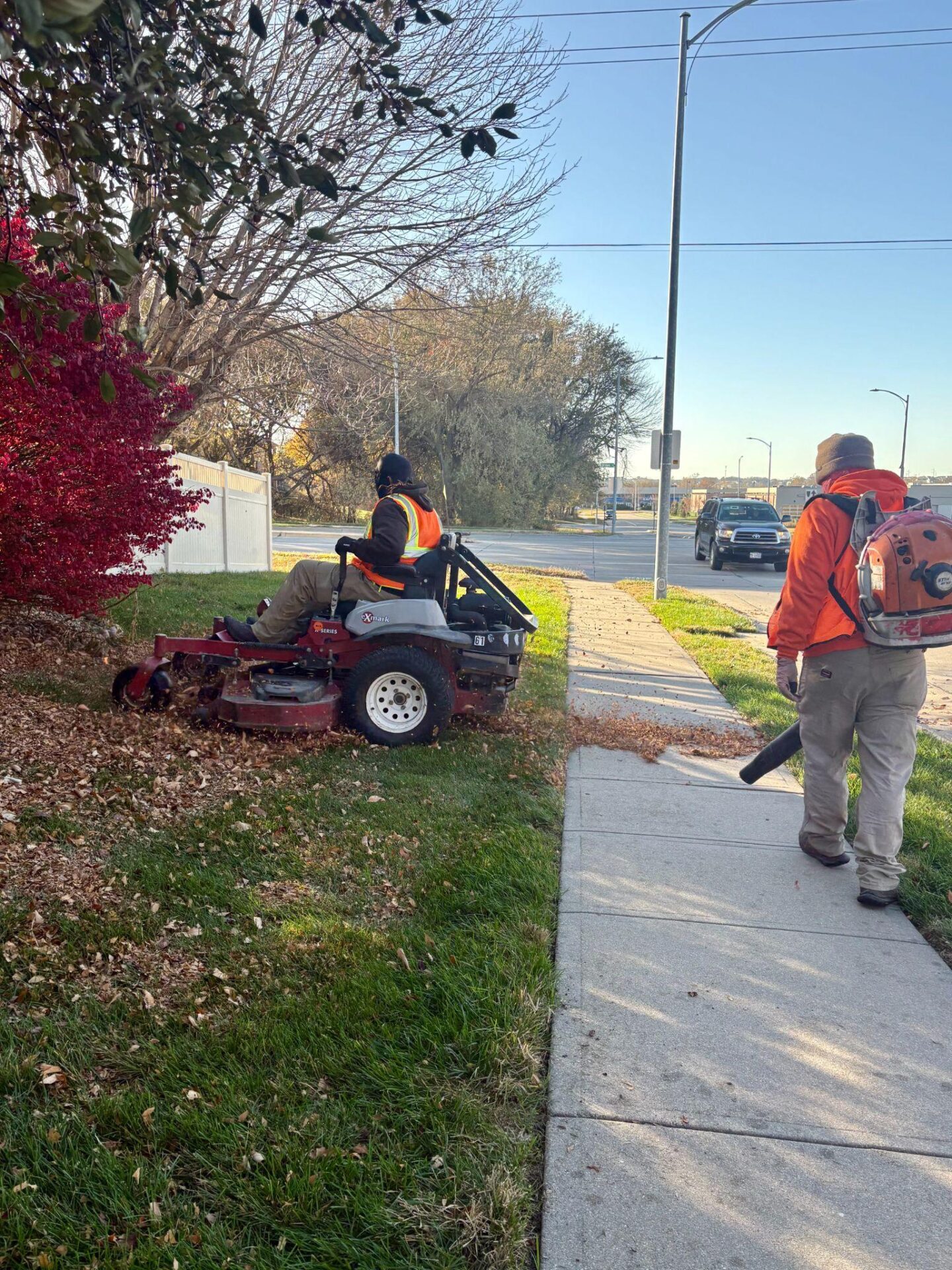
Professional spring and fall clean-ups reset your landscape at critical times of year. In the spring, crews clear away leftover winter debris, refresh garden beds, and help your lawn get off to a healthy start. In the fall, they rake up leaves, cut back dead plant material, and ready your property for winter. Skipping these seasonal clean-ups can leave you with pests, dead spots, and a much larger mess to clean up later. Additionally, doing pre-emergent lawncare can help you keep weeds away longer and worry less about them taking over.
What Seasonal Landscape Maintenance Should You Plan for Each Year?
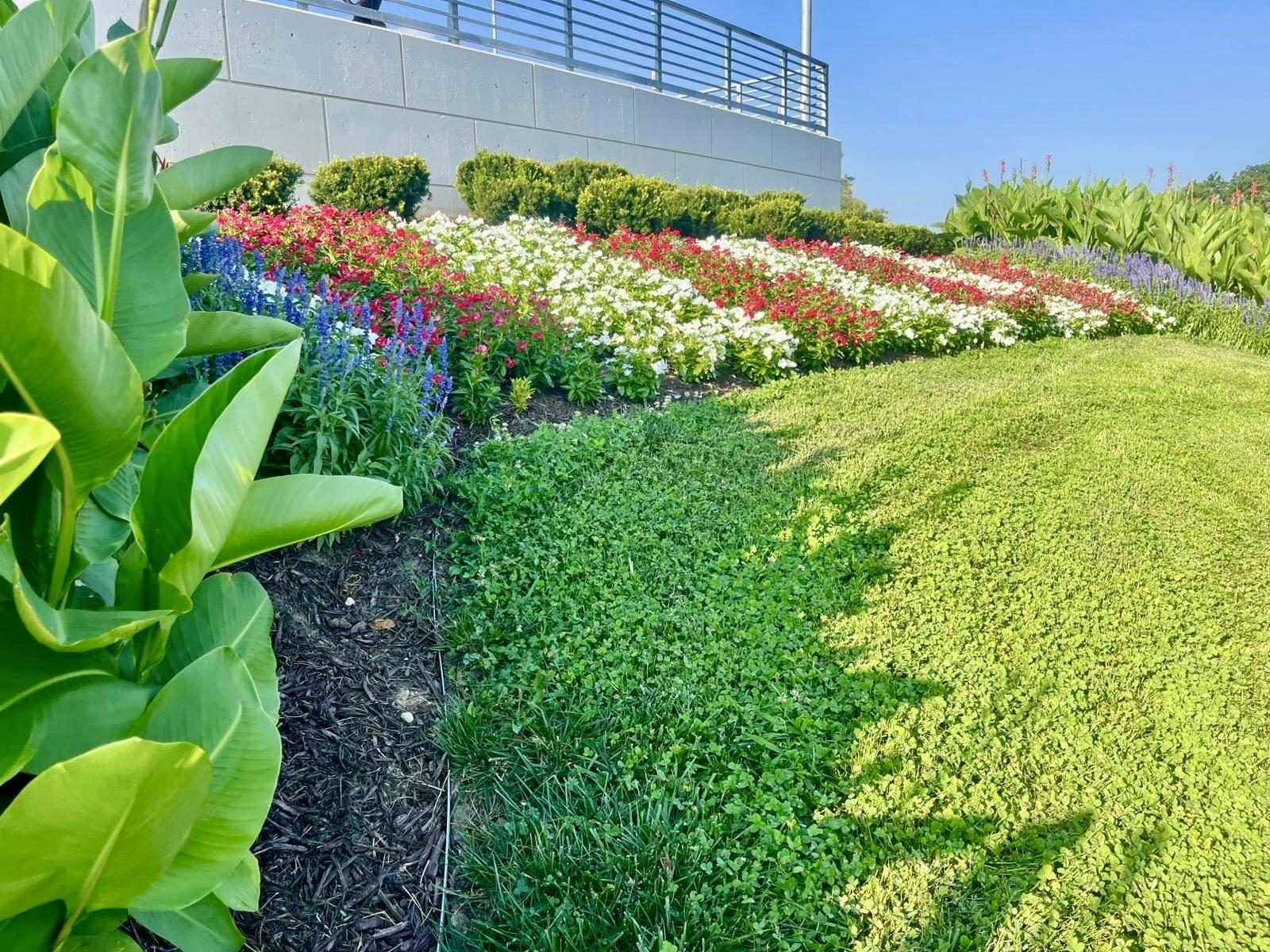
Each season brings its own landscaping challenges. By planning seasonal maintenance tasks, you can keep your landscape healthy throughout the year. Here’s what to focus on each season:
Fall Maintenance
Rake and remove fallen leaves so they don’t smother your lawn. Fall is an ideal time to fertilize your grass so it stores nutrients for winter and to plant bulbs or hardy perennials that will bloom the following year. Prune trees and shrubs once they go dormant, and winterize your irrigation system before the first freeze. Taking care of these autumn tasks prepares your landscape for the cold months ahead.
Summer Maintenance
Keep your grass mowed regularly in the summer. Ensure your lawn and plants receive sufficient water during hot, dry periods. Pull weeds frequently, as they grow rapidly now, and watch for any pests or plant diseases so you can treat them promptly. Lightly prune or deadhead flowers and hedges to keep them tidy; each plant is different, so be sure to prune for each of their needs. Prune after the plant blooms and not before. Staying on top of these tasks helps maintain your landscape’s beauty throughout the heat.
Spring Maintenance
Clear away winter debris from your lawn and garden beds. Spring is the time to feed your soil and to aerate and overseed your lawn. You can also plant new shrubs or cool-season flowers for early color. A thorough spring cleanup prepares your landscape for a vibrant growing season.
Winter Maintenance
Even in winter, a few landscape maintenance tasks still need attention. Protect delicate plants with extra mulch or burlap wraps before the first hard freeze. After heavy snowfall, gently knock snow off tree and shrub branches to prevent breakage. Winter is also a good time to prune trees while their branches are bare. Keep walkways clear of snow for safety. Taking care of these winter chores means your landscape will be ready to thrive again come spring.
How Can Annuals Add Color to Your Landscape?
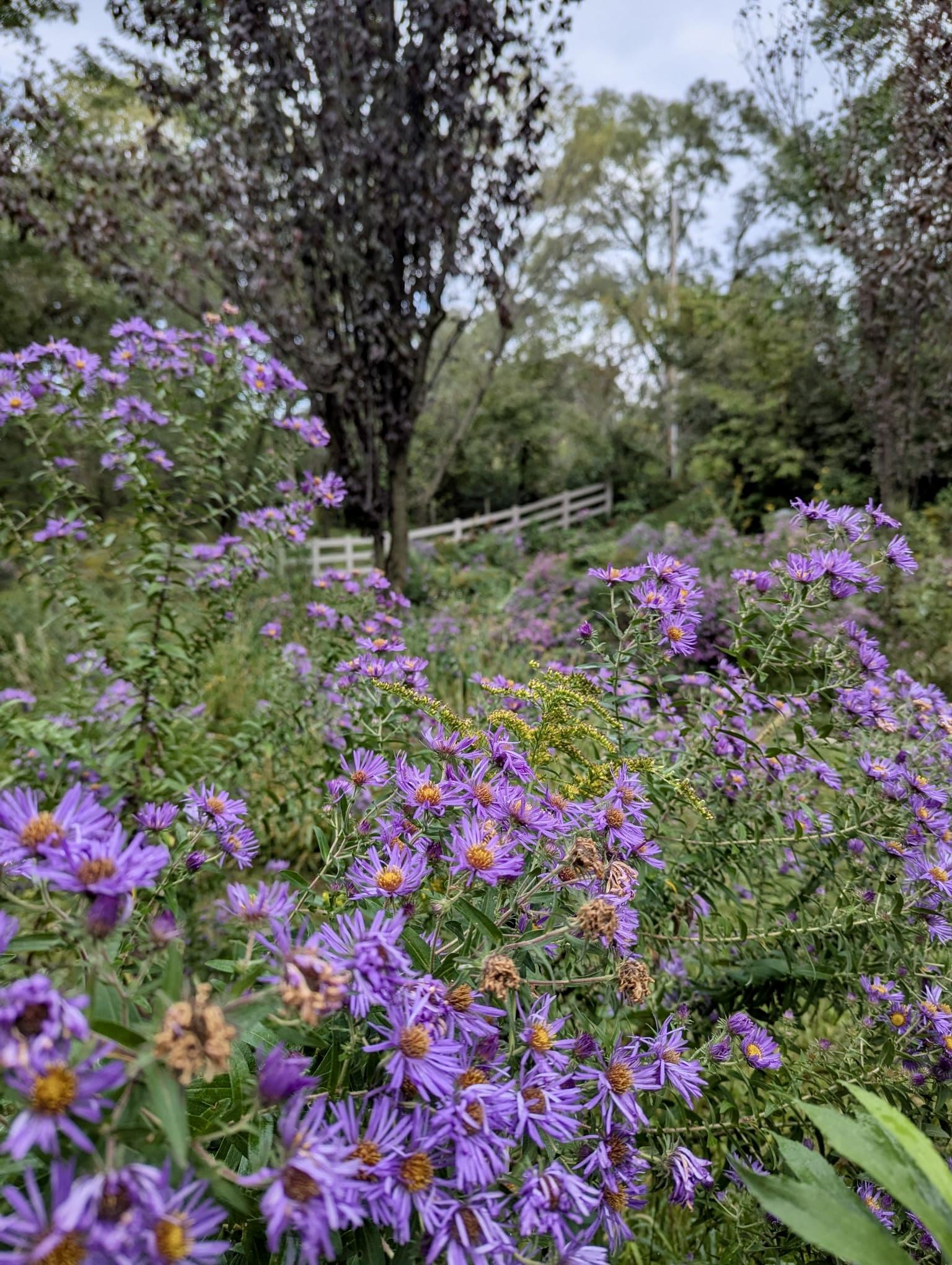
Perennial shrubs and trees provide the backbone of your landscape, but annual flowers are the easiest way to add vibrant color. Planting annuals is a simple yet high-impact part of landscape maintenance that keeps your property looking lively and fresh. Because annual plants complete their life cycle in one season, they let you refresh your landscape’s look each year or even each season.
In spring and summer, you can plant annual flowers in beds, borders, or containers to instantly brighten up your front yard and other focal points. These seasonal blooms fill in spots where perennials have finished or where you want an extra pop of color. They require a bit of effort to plant but deliver continuous blossoms. When the weather cools, you can switch to hardy fall annuals to keep the color going. By thoughtfully using annuals, you ensure your landscape never looks drab or monotonous. It’s an easy way to get creative and maintain strong curb appeal through seasonal flower displays.
What Happens When Landscape Maintenance Is Delayed or Missed?

Skipping or delaying landscape maintenance might seem harmless at first, after all, plants grow on their own in nature, right? But in a managed yard, neglecting regular maintenance has compounding effects that can turn your beautiful landscape into an eyesore or even a hazard. It’s essential to understand the consequences of missed upkeep, so you can appreciate the importance of consistency.
Firstly, small problems tend to grow (both literally and figuratively). That tiny cluster of weeds you ignore in a flower bed can explode into a carpet of unwanted growth in a few weeks. In a supposedly low-maintenance front yard landscaping design, failing to do even minimal tasks will still result in an unkempt look as debris and disorder accumulate. Low-maintenance doesn’t mean no maintenance!
Missed maintenance can also lead to damage. Lawns that aren’t aerated or overseeded periodically can thin out and invite pests or diseases that are much harder to remedy later. And when you fall behind, the work to recover your landscape becomes much more intensive. What would have been a 30-minute weekly task could turn into an all-day restoration project once things get out of control.
In the end, neglecting upkeep doesn’t save time or money at all. It often leads to increased workload, higher costs, and a loss of curb appeal. The better strategy is to tackle small tasks routinely so you never have to deal with a landscape that feels “out of repair.”
How Does Proactive Landscape Maintenance Help Identify Issues Early?
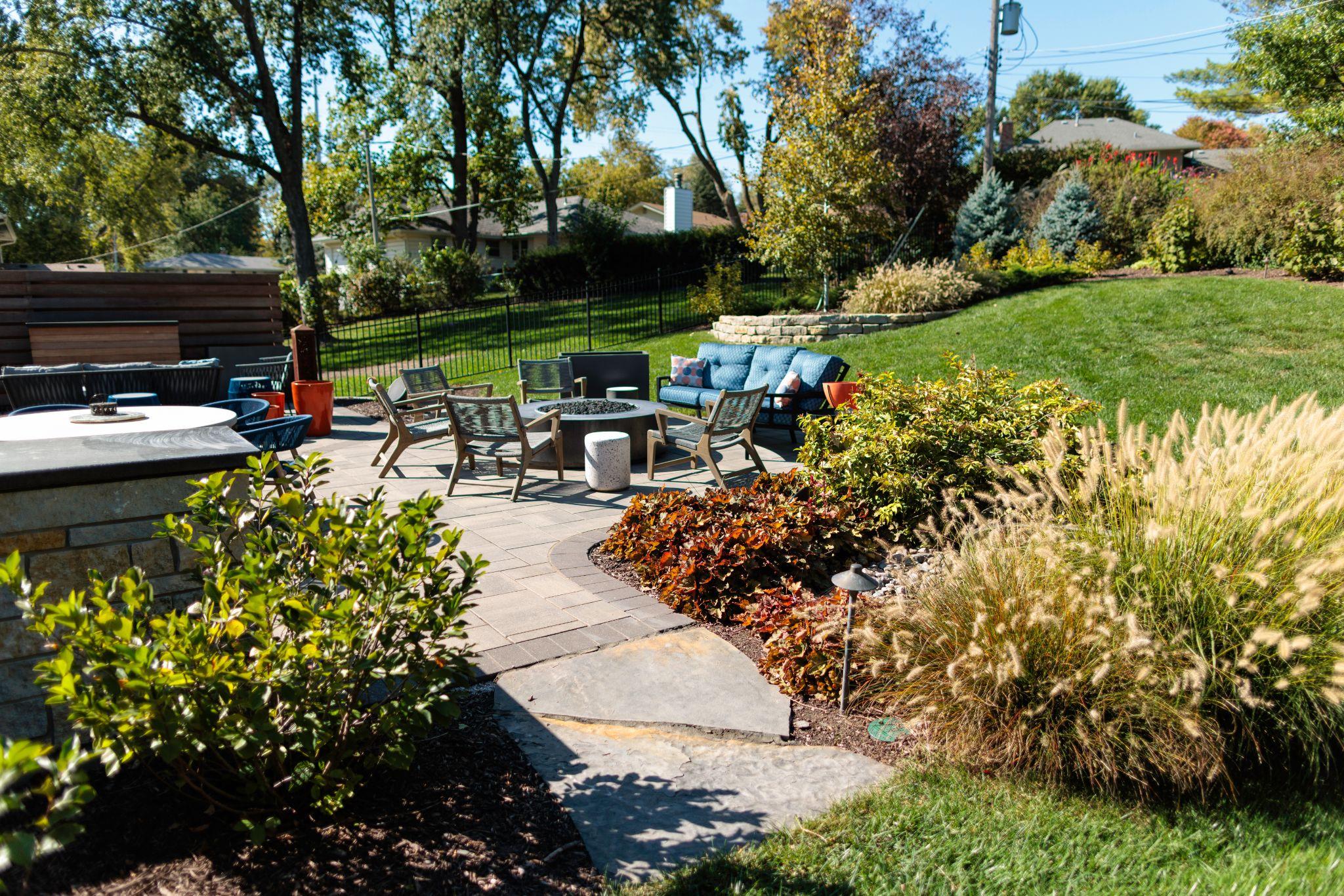
One of the biggest advantages of consistent, proactive landscape maintenance is catching potential problems before they escalate. When you or your maintenance partner is regularly examining all aspects of your property, you develop an early warning system for emerging issues. You can address concerns while they’re minor, often saving yourself from more extensive damage and repairs down the line.
For example, during a routine visit, you might notice one area of your lawn turning brown despite proper watering. That early observation could point to a developing pest issue (like grubs and fungus) or an irrigation coverage gap. With integrated pest management, you can treat the affected area or adjust your sprinklers right away, restoring the lawn’s health before the entire lawn is compromised.
Proactive maintenance also means regularly inspecting hardscape elements and infrastructure. Sun Valley Landscaping offers proactive site audits for both commercial and residential properties, sending trained staff to assess plant health, safety issues, and opportunities for improvement. By addressing issues early, you’ll rarely face a sudden landscaping crisis. Your property remains consistently well-maintained, and you gain peace of mind knowing that nothing critical is festering out of sight.
What Should You Look For in a Professional Landscape Maintenance Partner?

A great landscape maintenance partner makes your life easier by reliably handling every aspect of your outdoor care.
Comprehensive Services: Look for a one-stop company that can handle everything. One trusted team handling everything including lawn maintenance, garden care, tree care, irrigation, and enhancements, saves you time and ensures nothing falls through the cracks.
Proactive Communication: The best providers keep you informed and respond quickly. They will regularly update you on your property’s needs and offer solutions to issues before you even notice them.
Transparency and Trustworthiness: You should know exactly what services you’re getting and what you’re paying for. Top companies are transparent about their work and costs, and many even offer warranties to support their quality.
Training and Professionalism: A well-trained, professional crew will work safely and deliver excellent results. Look for a team with the proper certifications and a commitment to ongoing industry education.
Final Thoughts

For owners of high-end residential estates and commercial properties, a proactive and comprehensive landscape maintenance plan is more than routine upkeep, it’s an investment in long-term property care that pays dividends over time. By addressing needs and potential issues year-round, this approach keeps landscapes healthy, safe, and looking their best through every season. Consistent care not only preserves curb appeal and protects property value, but also provides peace of mind that your grounds will impress visitors and clients alike, no matter the time of year. In short, proactive maintenance is the key to ensuring your outdoor spaces remain vibrant and resilient for the long haul.
Sun Valley Landscaping fully supports this vision of exceptional landscape care. The team stands out through proactive communication and solutions, addressing landscape concerns before they escalate while keeping you informed at every step. They back their work with robust warranties and maintain complete transparency in their services, so you always know what to expect. Every crew member is equipped with advanced training, reflecting a commitment to quality, integrity, and continuous improvement. This comprehensive, client-focused approach means each property receives top-tier care rooted in passion and pride – exactly what discerning homeowners and businesses deserve.
Sun Valley Landscaping embodies all these qualities. It offers complete maintenance packages and emphasizes proactive communication, transparent service, and advanced staff training. The company’s leadership has roots in farming and decades of landscaping experience, which instills a deep pride in quality workmanship and community service on every project. With a partner like that, you can trust your landscape is in good hands year-round. Book a consultation today.
Summary
Landscape maintenance involves a comprehensive approach to caring for your entire property throughout the year. It covers everything from soil health and lawn maintenance to pruning, irrigation, and seasonal clean-ups. Consistent upkeep preserves your landscape’s beauty and value, while also preventing potential problems. By following a routine checklist of tasks, you can avoid overgrowth, plant health issues, and expensive fixes. Whether you handle it yourself or bring in professional help, staying on top of maintenance ensures your property stays safe, attractive, and ready for every season. Proactive care is key. Catching issues early (like pests or irrigation leaks) can save you time and money.
Tags: