

How to Maintain Garden Beds for Long-Term Landscape Health

Every beautiful landscape in Omaha starts with vibrant garden beds. These carefully cultivated spaces are the foundation of your property’s curb appeal, adding color, texture, and life to your outdoor environment. However, the beauty and vitality of even the most well-tended garden beds can diminish over time. When garden bed maintenance is overlooked, common issues begin to emerge: persistent weeds can quickly overwhelm delicate flowers, the crucial soil structure can become compacted and unhealthy, and your cherished plants may struggle simply to survive, let alone thrive.
It is disheartening and deeply frustrating to watch the attractive curb appeal you invested so much time and effort into creating begin to visibly fade. The good news is that this decline is not inevitable. There is a straightforward and highly effective solution to protect your initial investment. With consistent garden bed maintenance, you can protect your investment and keep your outdoor spaces looking impeccable year after year.
If you are looking for practical, expert advice and have been wondering exactly how to maintain garden beds for optimal long-term health, this comprehensive guide is designed for you. It will walk you step-by-step through ten essential and practical actions. By diligently following these expert tips, you will successfully ensure your garden beds remain vigorously healthy, consistently beautiful, and fully resilient, no matter what the changing seasons bring.
Step 1: Assess and Plan Your Garden Beds

Begin by evaluating the current state of your garden beds. Walk around your property and inspect each bed closely. Identify any problem areas such as waterlogged spots, compacted soil, or signs of pests. Take note of which plants are thriving and which are struggling. This assessment will guide your garden bed maintenance strategy moving forward. Test your soil, if possible, to check for nutrient levels and pH balance, so you know what amendments might be needed. Also, consider the overall design of the beds: are plants overcrowded or shading each other out? With a clear understanding of your landscape’s needs, you can create a maintenance plan. Decide on the tasks each bed requires (like adding compost or replacing mulch) and schedule them throughout the seasons. A little planning now ensures that your maintenance efforts are focused where they matter most.
Step 2: Clear Out Debris and Weeds
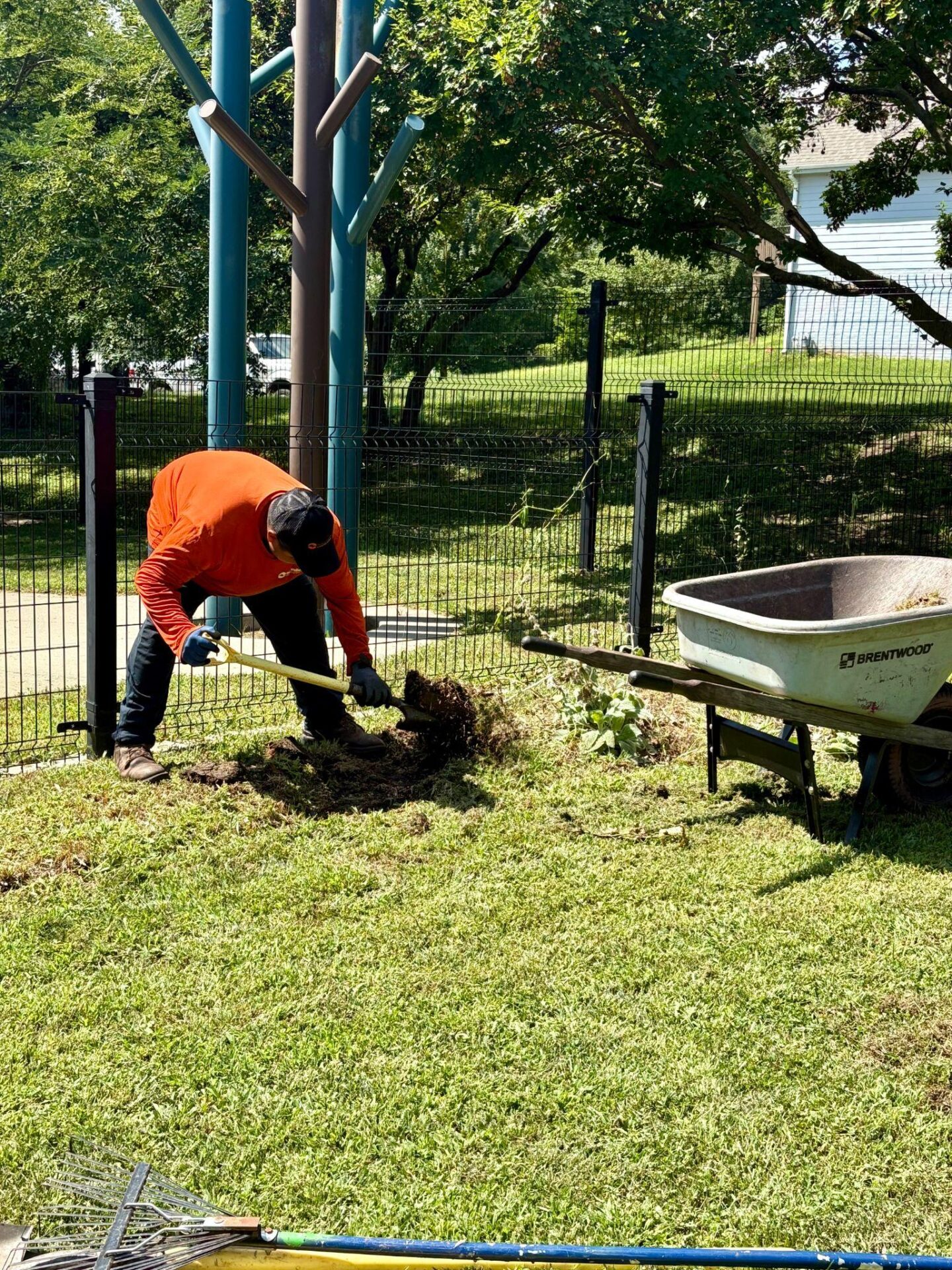
Start your maintenance by giving each bed a thorough cleanup. Remove any fallen leaves, dead plant matter, and branches that accumulated over the seasons. Clearing out this debris is a basic garden bed maintenance task that not only makes the area look tidy but also prevents pests and diseases from taking hold in the decaying matter. Next, tackle any existing weeds. Pull weeds out by the roots to ensure they don’t regrow. You can use a hand weeder or hoe for deep-rooted invaders. Take your time to get even the small weeds now, as this will save you effort later. Dispose of pulled weeds and debris away from your garden (do not add weeds with seeds to your compost). A clean slate sets the stage for effective garden bed maintenance by allowing your desired plants to shine without competition or clutter.
Step 3: Enrich the Soil

Healthy soil is the foundation of a thriving garden. After clearing debris, loosen the soil in your beds with a spade or garden fork. Breaking up compacted topsoil improves root penetration and aeration. Next, work in organic matter such as compost or well-rotted manure. Spread a layer of compost over the bed and gently mix it into the top few inches of soil. This adds vital nutrients and improves soil structure, resulting in better water retention and drainage. If a soil test indicates specific nutrient deficiencies (for example, low nitrogen or an imbalanced pH), add appropriate soil amendments or a slow-release fertilizer. By rejuvenating the soil as needed, you maintain a healthy underground ecosystem. This proactive garden bed maintenance step ensures that your flowers and shrubs have the rich, fertile ground they need to flourish.
Step 4: Edge Your Garden Beds
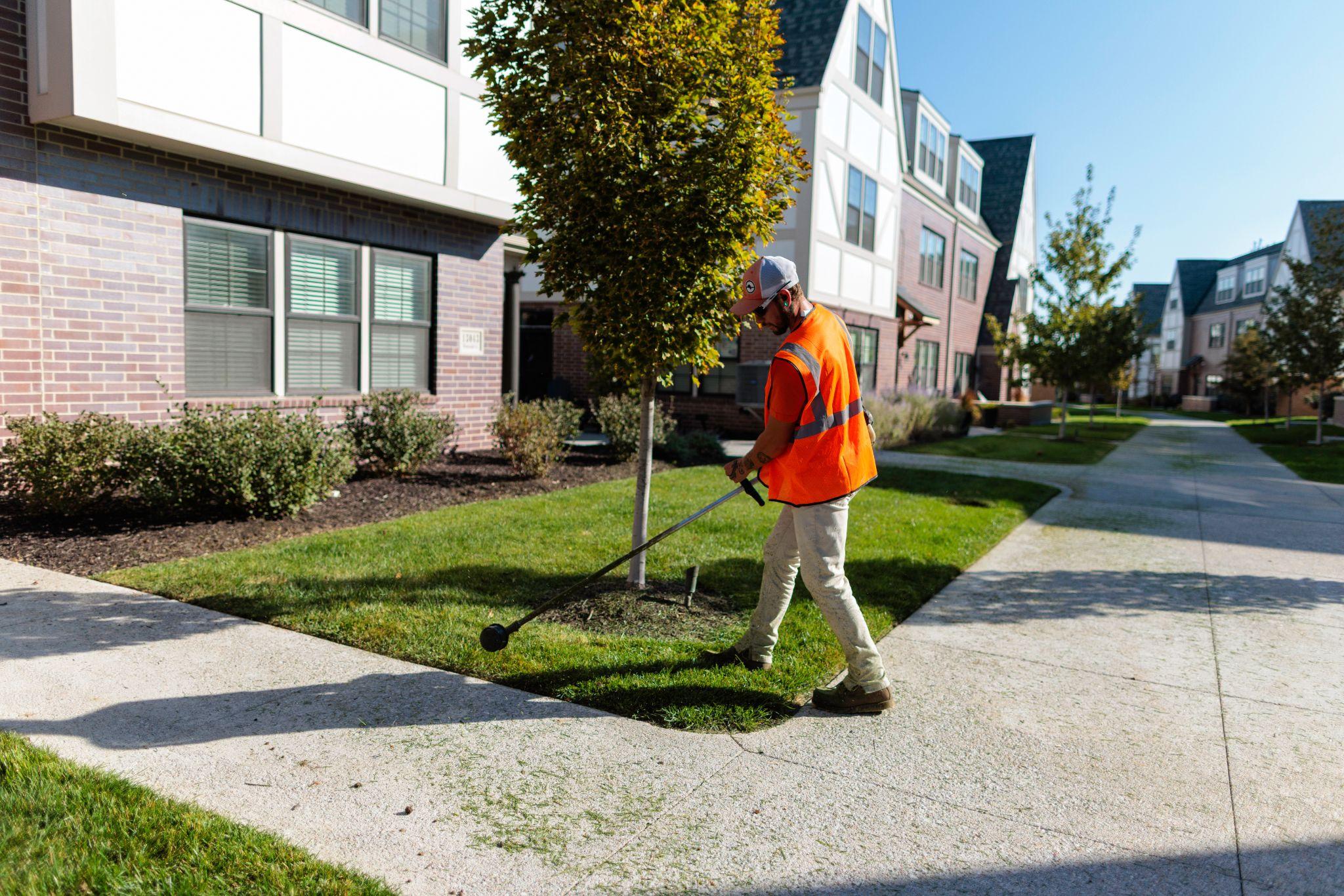
Neatly edged garden beds give your landscape a professional, finished appearance, so make edging a regular part of your garden bed maintenance routine. Use a sharp spade or half-moon edger to cut a clean line between the lawn and the garden bed. Remove any grass or sod that has crept into the bed area. This not only creates a visual separation but also prevents turfgrass and weeds from invading your planting space. Aim to edge your beds at least once a year (spring is ideal) and touch up as needed if edges start to blur. You can also install permanent edging materials like metal or stone, but even then some upkeep is required to keep things tidy. Regular garden bed edging maintenance ensures mulch stays in place and your garden beds maintain a crisp, intentional border as part of overall garden bed maintenance for your property.
Step 5: Mulch the Right Way

Mulch is a secret weapon for healthy garden beds and a must-have in any garden bed maintenance plan. A fresh layer of mulch helps soil retain moisture, keeps roots insulated from extreme temperatures, and blocks sunlight to suppress weeds. It also gives your beds a polished, uniform look. Choose a quality organic mulch from a local source (such as shredded bark or wood chips) that complements your landscape. When mulching garden beds, aim for a layer about 2-3 inches thick across the soil surface. Spread it evenly, but keep mulch a couple of inches away from plant stems and tree trunks to prevent rot, don’t do “mulch volcanoes” like you may have seen elsewhere. Replenish mulch at least once a year, or whenever it starts to break down and thin out. Not only does mulch improve the growing conditions, but it also reduces how often you need to water and weed, making overall garden bed maintenance much easier in the long run.
Step 6: Control Weeds Consistently
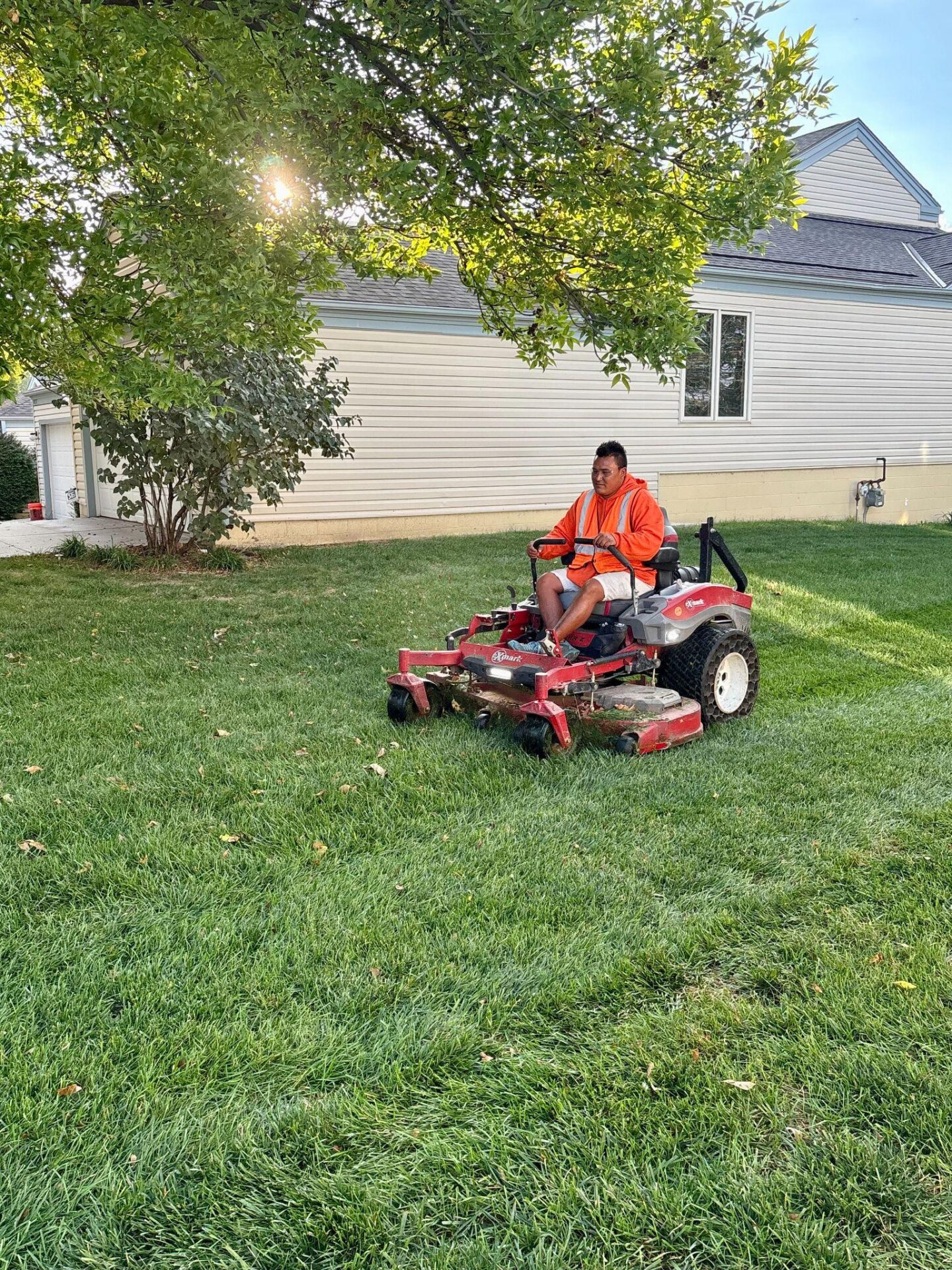
No one enjoys pulling weeds, but staying on top of them is critical. Effective weed control in garden beds is much easier if you make it a routine part of your garden bed maintenance. Rather than waiting until weeds take over, spend a few minutes each week removing any new sprouts. After watering or rain is a perfect time to pull weeds, moist soil lets you get the roots out completely. Use a handheld weeder or hoe to cut down weeds while they’re small. Also consider preventive measures: applying a pre-emergent herbicide in the spring can prevent many weeds from germinating (just be cautious when using these around desired plants). By tackling weeds regularly, you prevent them from seeding and keep your beds looking pristine.
Step 7: Water Wisely

Consistent watering is vital for plant health and overall garden bed maintenance, but it’s essential to do it correctly. Instead of shallow daily sprinkling, water your garden beds deeply but less frequently. Deep watering encourages roots to grow downward, making plants more resilient to drought. A good rule of thumb is to ensure about one inch of water per week (from rainfall or irrigation) for most flower beds. In Omaha’s hot summers, you may need to water a bit more during dry spells. Water in the early morning whenever possible, which gives plants a drink before the day heats up and reduces evaporation loss. If you have an irrigation system, adjust the schedule seasonally and ensure that sprayers or drip lines cover all areas evenly. Proper watering practices not only keep plants lush but also prevent issues like fungal disease. By mastering irrigation as part of garden bed maintenance, you provide your landscape with the necessary moisture without waste.
Step 8: Perform Seasonal Maintenance
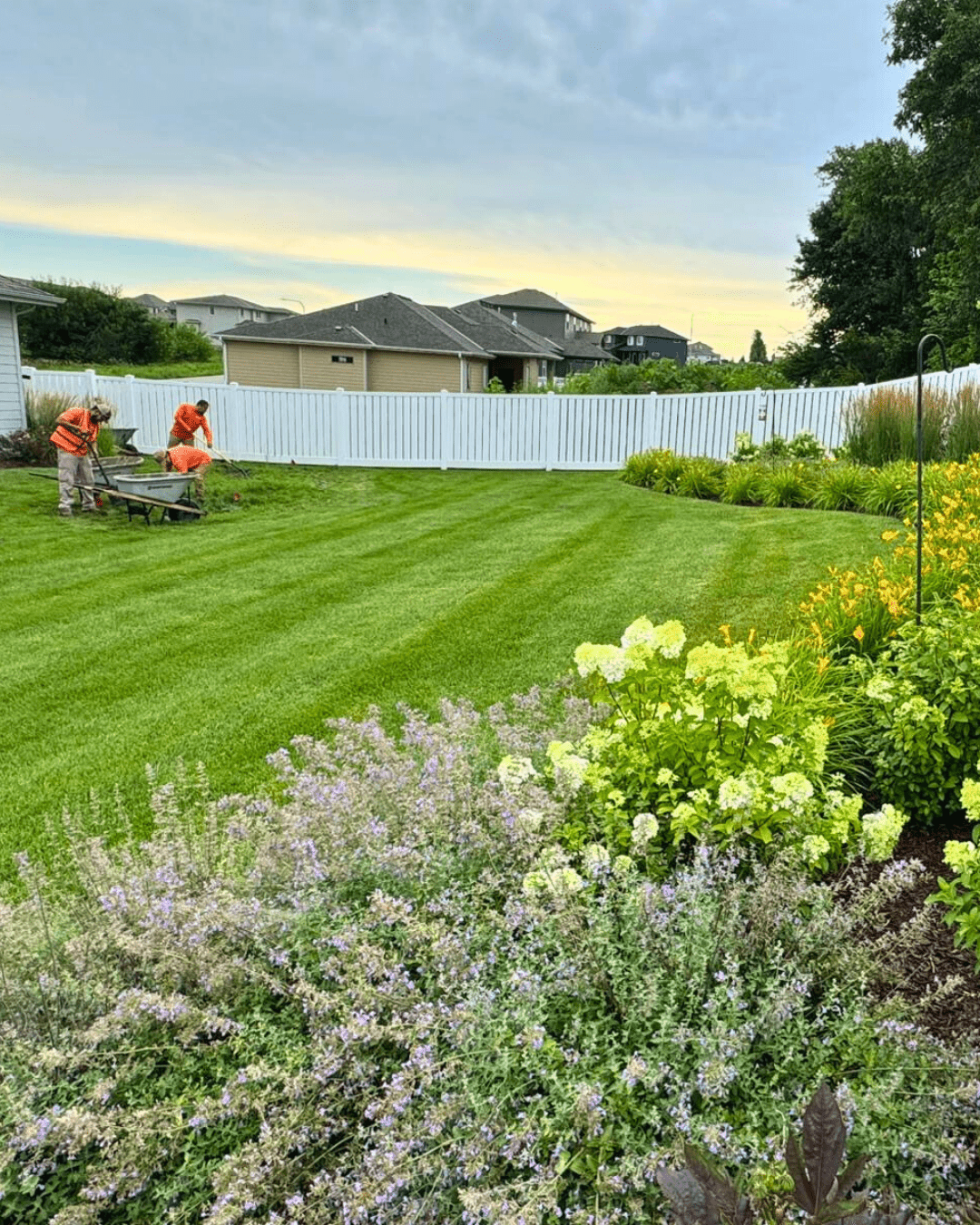
Each season brings new needs for your garden beds, so staying on top of seasonal garden bed maintenance is crucial in Omaha’s climate. Adjust your care routine throughout the year to keep plants healthy and your landscape looking its best:
- Spring: Clean up winter debris, trim dead stems, and apply fresh mulch to jumpstart the growing season. Spring is also a great time to add compost or fertilizer so plants have nutrients for new growth.
- Summer: Focus on consistent watering and weeding. Deadhead spent flowers (remove faded blooms) to encourage new ones. Watch for pests or diseases during hot, humid weather and address issues early.
- Fall: Remove fallen leaves and pull out annuals that have finished their growing season. Cut back perennials after the first frost so they can store energy for next spring. Add a layer of mulch or shredded leaves to insulate roots over winter.
- Winter: Prepare beds for harsh weather. Cover delicate shrubs or roses with burlap, and ensure that mulch continues to cover the root zones for insulation. Avoid piling snow laden with salt onto your beds to prevent soil damage. Use winter downtime to plan any bed enhancements for next year.
By adjusting tasks each season, you prevent small issues from turning into big problems. This year-round approach to garden bed maintenance keeps your landscape vibrant, regardless of the month.
Step 9: Prune and Protect Your Plants
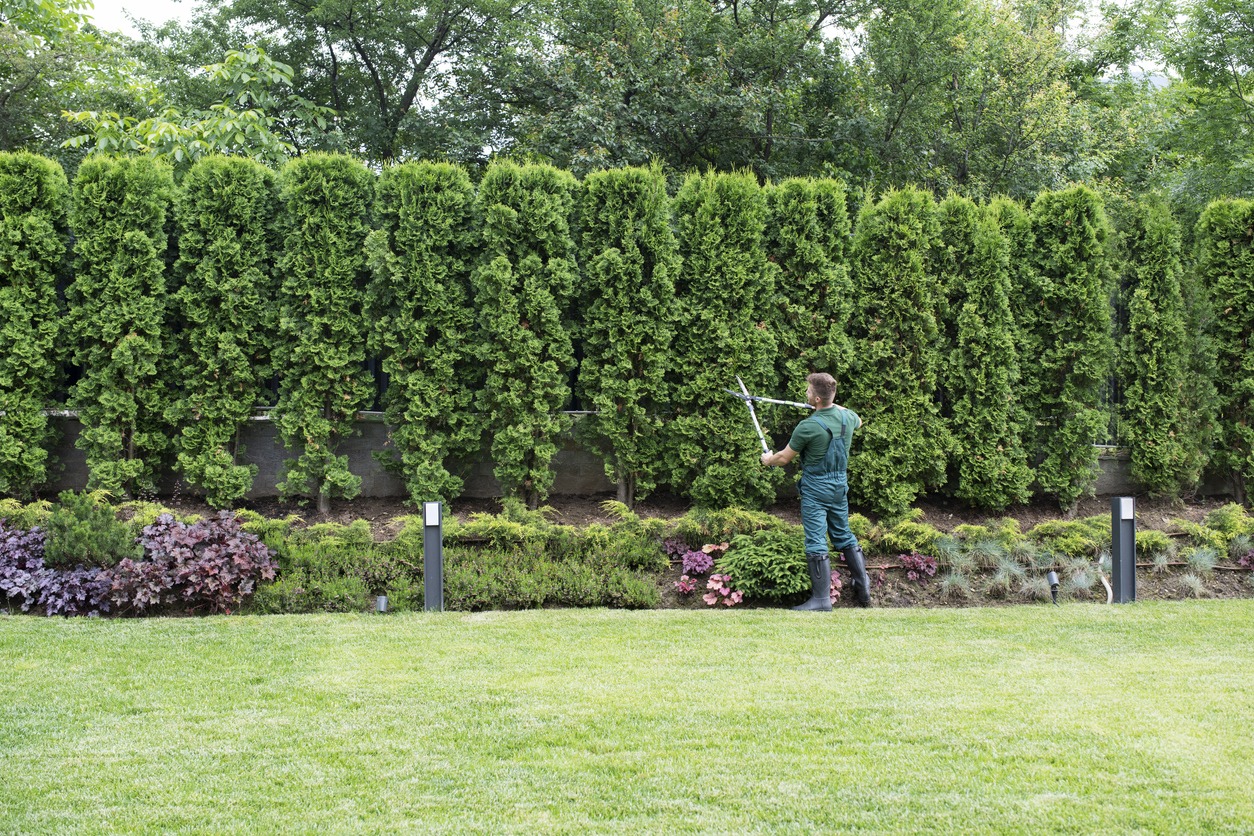
Keeping plants groomed is just as important as tending the soil. Make a habit of pruning and deadheading as part of your garden bed maintenance routine. Trim back any dead or diseased branches from shrubs and perennials whenever you spot them. This not only improves the look of your beds but also helps prevent the spread of disease. Regular deadheading (removing spent flowers) encourages many plants to rebloom and keeps the garden looking fresh. For plants that tend to flop or break, provide supports like stakes, hoops, or trellises early in the season. Monitoring plant health is critical too. Check leaves for signs of pests or fungus. If you find an issue, address it promptly with eco-friendly remedies or by consulting a professional. By caring for your plants through pruning and protection, you ensure each element of the bed stays healthy and attractive.
Step 10: Schedule Regular Upkeep
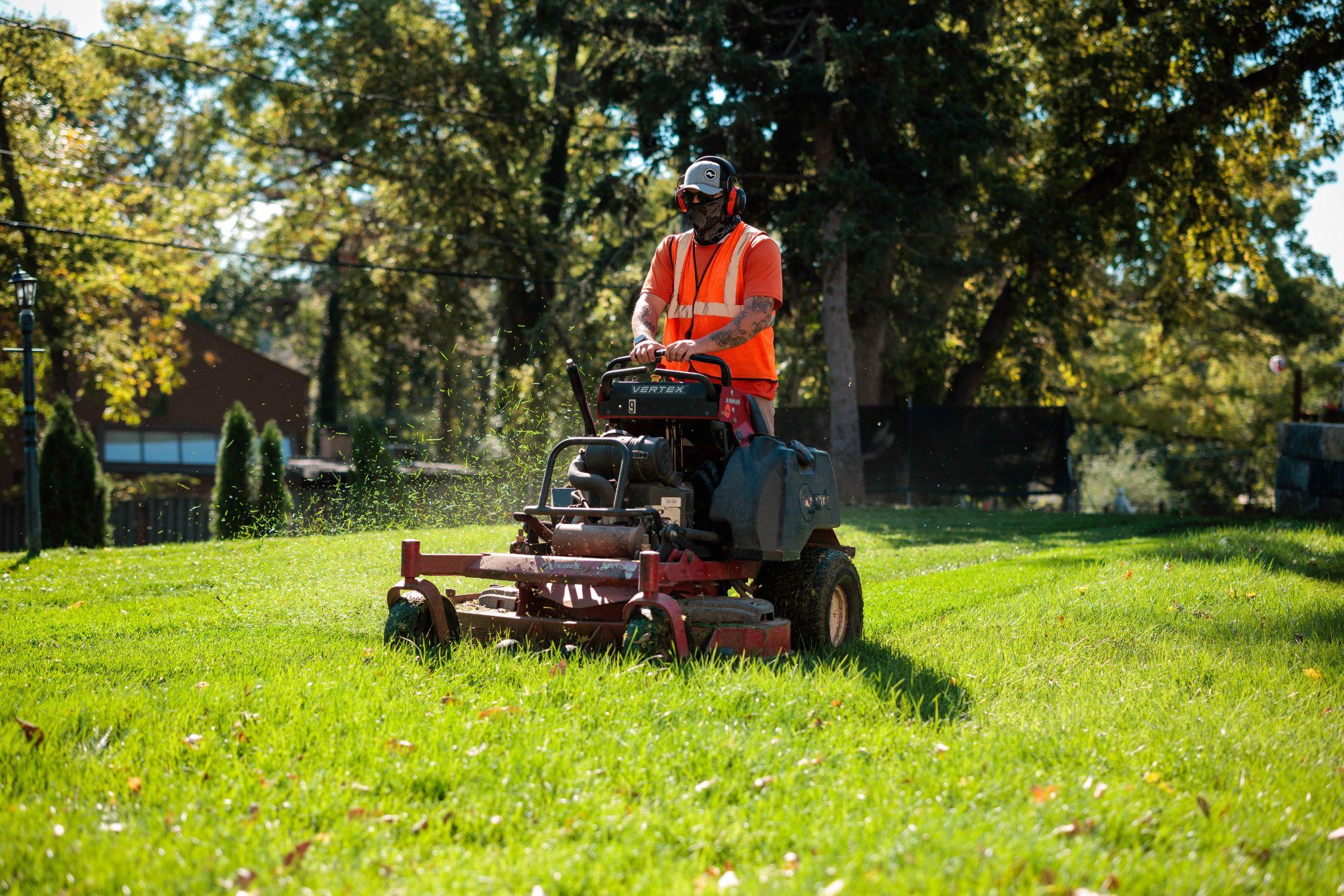
The final step is to maintain a consistent schedule for your garden bed maintenance tasks. Garden beds flourish when they receive regular attention, not just a big cleanup once a year. Create a calendar or set reminders for ongoing tasks, such as weekly weed checks, monthly pruning sessions, and seasonal soil amendments. Sticking to a routine prevents small issues from snowballing and keeps your landscape in top shape. Consider enlisting help if needed. High-end properties often benefit from professional maintenance services that ensure no detail is missed. Whether you handle it personally or hire experts, the key is consistency. When garden bed maintenance becomes a habit rather than a chore, your flower beds will reward you with year-round beauty and fewer surprise problems. This proactive approach saves you time and money in the long run, all while preserving the pride you take in a gorgeous landscape.
Garden Bed maintencance in omaha you can trust
Maintaining beautiful garden beds is an ongoing journey, but it yields great rewards in terms of curb appeal and plant health. With a proactive approach to garden bed maintenance, any Omaha property owner can enjoy vibrant landscapes year after year. At Sun Valley Landscaping, we believe that attentive care reflects our integrity and pride in service. We offer comprehensive landscape bed maintenance solutions rooted in community values and horticultural expertise. Ready to elevate your garden’s potential? Let our team help your landscape thrive in the long term. Book a consultation today.
Summary
In this comprehensive guide, high-end Omaha property owners will find detailed instructions on garden bed maintenance to ensure the enduring health and beauty of their landscapes. The guide meticulously covers ten practical steps essential for year-round garden bed care. These steps include the crucial aspects of proper soil preparation, defining and maintaining crisp edges, applying mulch for moisture retention and weed suppression, and establishing an appropriate watering schedule. It delves into the specifics of seasonal care and other vital practices. By following these steps, property owners can effectively keep their garden beds consistently lush, vibrant, impeccably weed-free, and beautiful throughout every season, safeguarding their investment in their outdoor space.
Tags: