

FAQs: Irrigation Maintenance for Property Owners
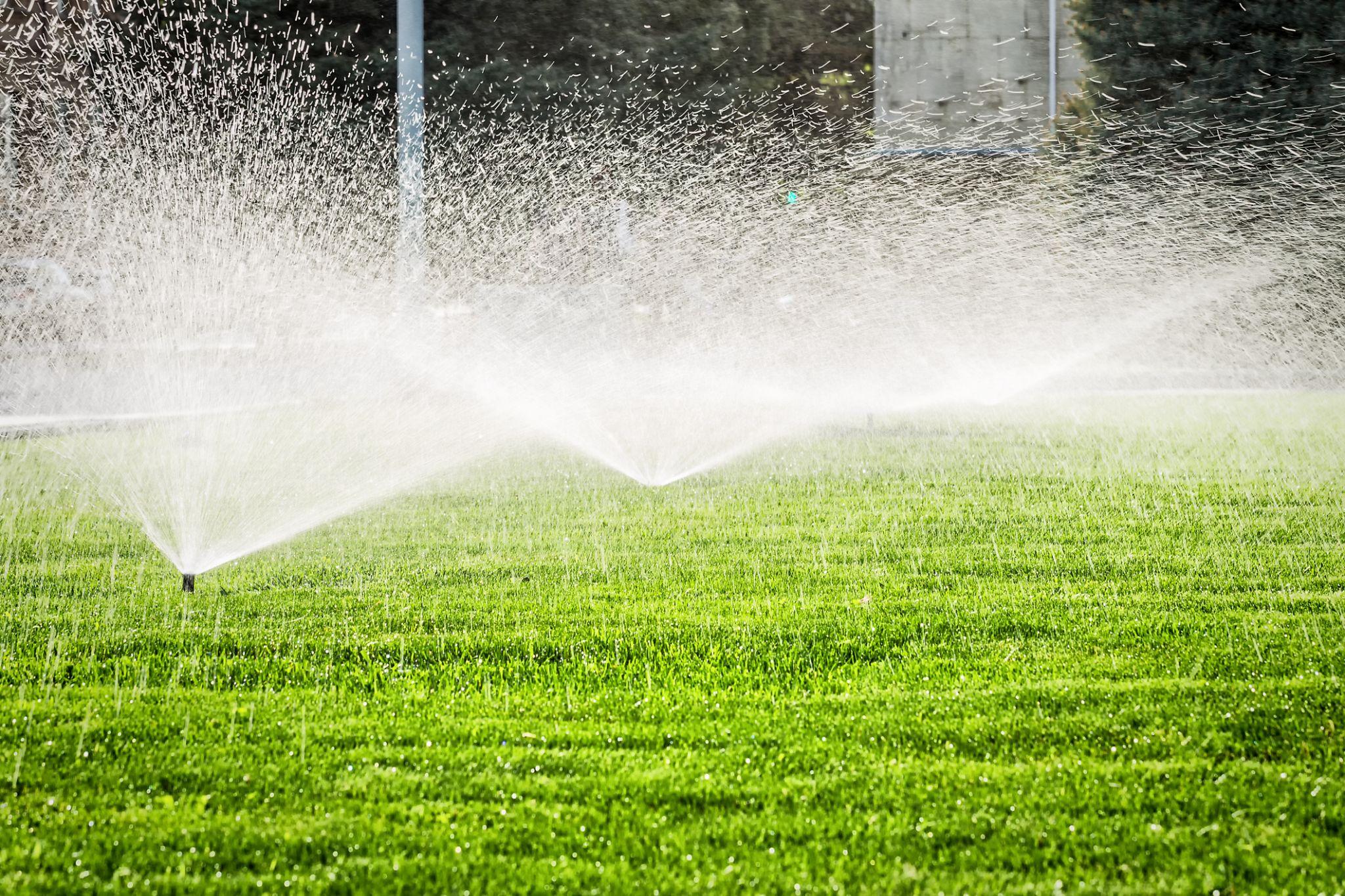
Landscapes can look healthy while hidden irrigation issues quietly develop below the surface. Uneven watering, clogged lines, or timing errors often go unnoticed until plants begin to struggle. When these concerns surface late, recovery takes longer and causes frustration. Learning how irrigation systems function throughout the year helps you recognize early warning signs and maintain steady landscape performance so you can support long-term property care by staying informed and proactive.
What Does Irrigation Maintenance Include?
Irrigation maintenance involves far more than adjusting run times. Ongoing irrigation-focused care includes inspecting sprinkler heads, reviewing spray patterns, confirming zone coverage, and adjusting schedules to match plant needs. These steps help ensure water reaches the right areas without excess runoff.
Routine irrigation system maintenance also includes checking valves, controllers, wiring, and pressure levels. Small alignment issues or partial blockages can reduce performance if left unaddressed. When inspections happen consistently, changes remain controlled and predictable.
Professionals trained in sprinkler system maintenance often notice subtle flow or coverage changes that are easy to miss. Over time, this attention supports uniform growth and dependable results. On larger sites, irrigation oversight is often coordinated alongside broader property care, similar to the approach used in professional commercial landscape maintenance programs that focus on long-term site performance.
How Often Should An Irrigation System Be Inspected?
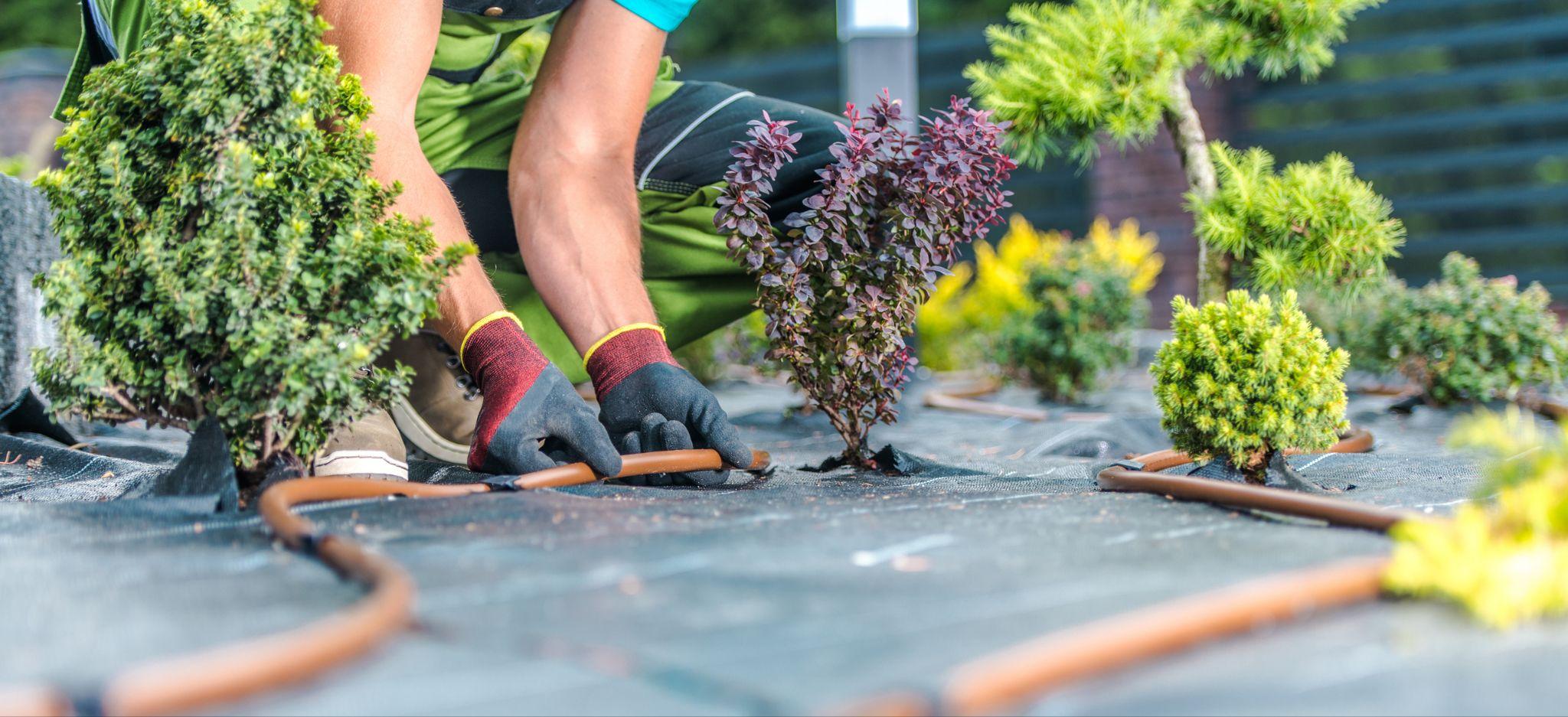
Inspection frequency depends on property size, plant diversity, and seasonal conditions. Most sites benefit from multiple professional reviews each year. Regular irrigation-focused inspections confirm systems are responding appropriately to changing demand.
During peak growing periods, inspections help ensure run times match actual conditions. This is a crucial answer to the most frequently asked questions around how to maintain an irrigation system. Small timing adjustments can prevent overwatering or drought stress before symptoms appear.
Between inspections, property owners should watch for pooling water or dry patches. These surface clues often point to underlying issues that benefit from expert attention.
How Does Irrigation Maintenance Change Throughout The Year?
Watering needs change as temperatures, rainfall, and growth patterns shift. Seasonal irrigation maintenance adjusts schedules and system settings to reflect those changes. Spring focuses on start-up and coverage accuracy. Summer emphasizes efficiency and stress reduction.
Autumn adjustments reduce watering as growth slows. Winter preparation protects system components from freeze-related damage. Following an irrigation maintenance checklist helps ensure each transition is handled thoroughly.
Seasonal awareness keeps systems aligned with the landscape’s needs rather than reacting after problems arise.
What Are Common Signs An Irrigation System Needs Attention?
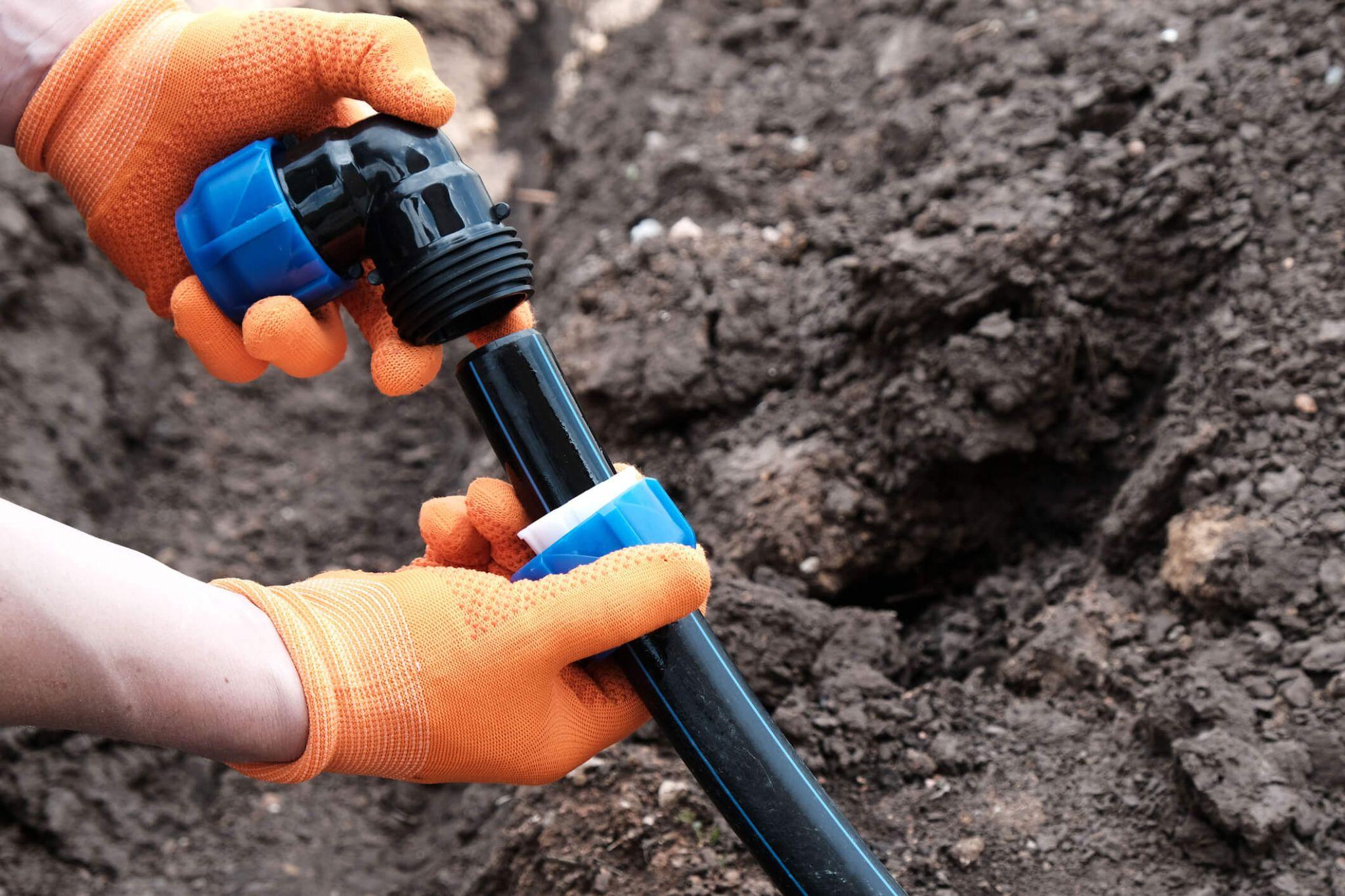
Early indicators often appear before major damage occurs. Uneven turf color, wilted plants, or excessive runoff can signal irrigation system problems. These symptoms suggest water is not being delivered evenly.
Zones that fail to activate or run longer than intended may indicate controller or valve issues. Consistent sprinkler system maintenance helps identify these irregularities early.
Addressing warning signs promptly helps maintain plant health and soil balance.
How Can Irrigation Issues Affect Plant And Grass Health?
Plants depend on balanced moisture for root development and nutrient uptake. Overwatering limits oxygen in the soil. Underwatering restricts growth. Both create stress that weakens plant structure.
Irrigation-focused care supports steady moisture levels. Roots grow deeper, turf remains denser, and plants develop stronger resilience.
Consistent irrigation habits contribute to healthier growth patterns and reduced vulnerability over time.
Why Is Seasonal Irrigation Maintenance Important For Landscapes?
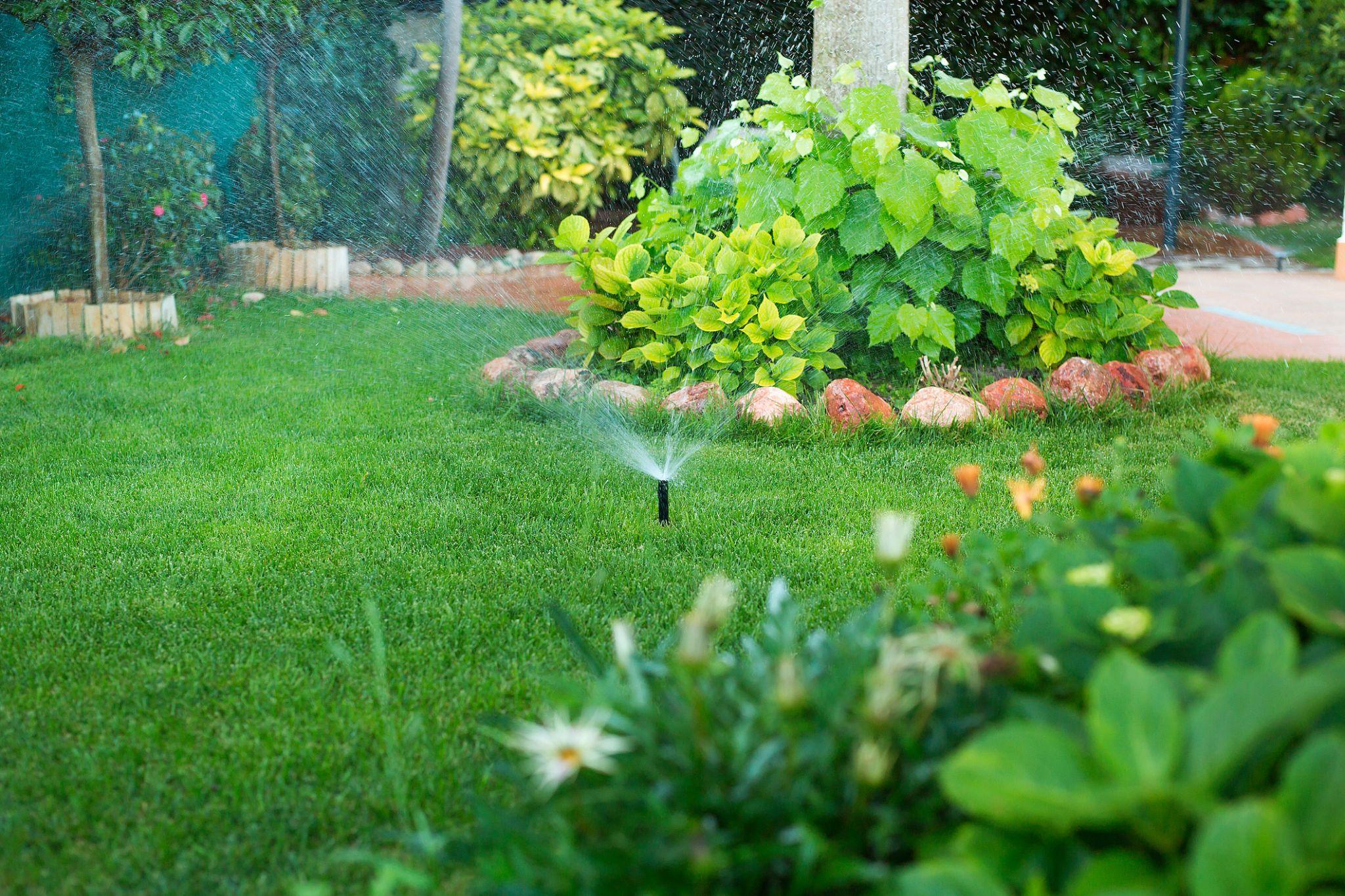
Seasonal adjustments help systems respond to real environmental conditions. Seasonal irrigation maintenance ensures watering schedules match actual plant demand rather than fixed assumptions.
Spring inspections address issues from winter dormancy. Summer reviews manage high-demand periods. Autumn preparation reduces wear as usage declines.
Staying ahead of seasonal shifts supports consistent landscape performance.
What Should Be Checked During Routine Irrigation Maintenance?
Routine reviews typically include sprinkler head condition and alignment, zone coverage and overlap, controller programming accuracy, and valve operation with balanced pressure.
Using an irrigation maintenance checklist ensures no components are overlooked. These checks support reliability and help avoid unexpected interruptions.
How Do Small Irrigation Issues Go Unnoticed Without Inspections?
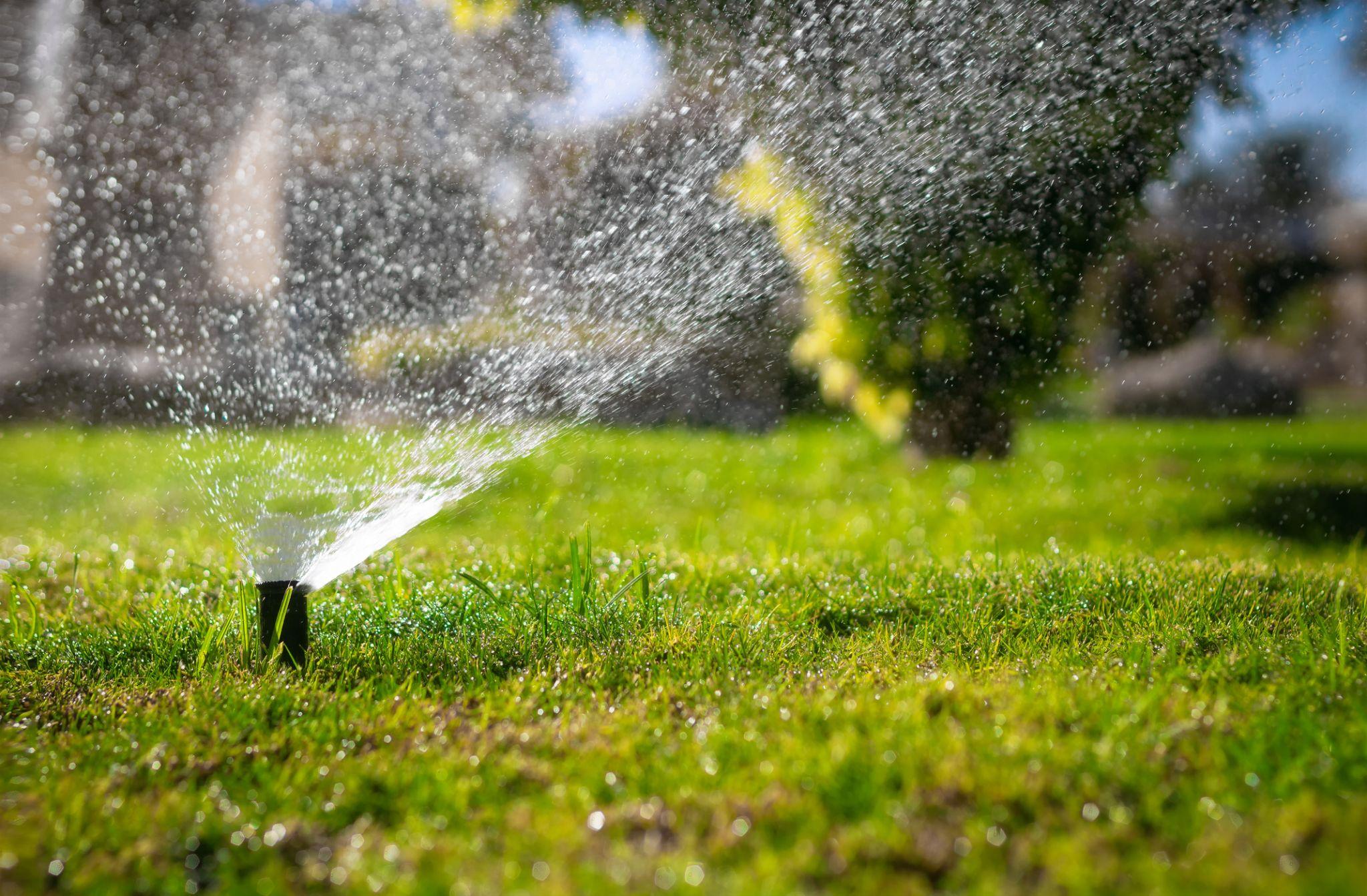
Many system components operate underground or outside daily view. Minor leaks, partial clogs, or misaligned heads may not cause immediate surface changes.
Without inspections, these issues persist quietly. Over time, soil conditions shift and plant health declines. Regular irrigation-focused reviews help surface these concerns early.
How Does Proper Irrigation Maintenance Support Soil Health?
Soil health depends on consistent moisture. Excess water compacts soil and limits oxygen flow. Too little moisture restricts nutrient uptake.
Balanced irrigation care supports stable soil structure. Healthy soil improves absorption and encourages beneficial microbial activity.
Over time, this stability supports stronger root systems and improved landscape performance.
Can Irrigation Maintenance Help Reduce Plant Stress During Hot Periods?
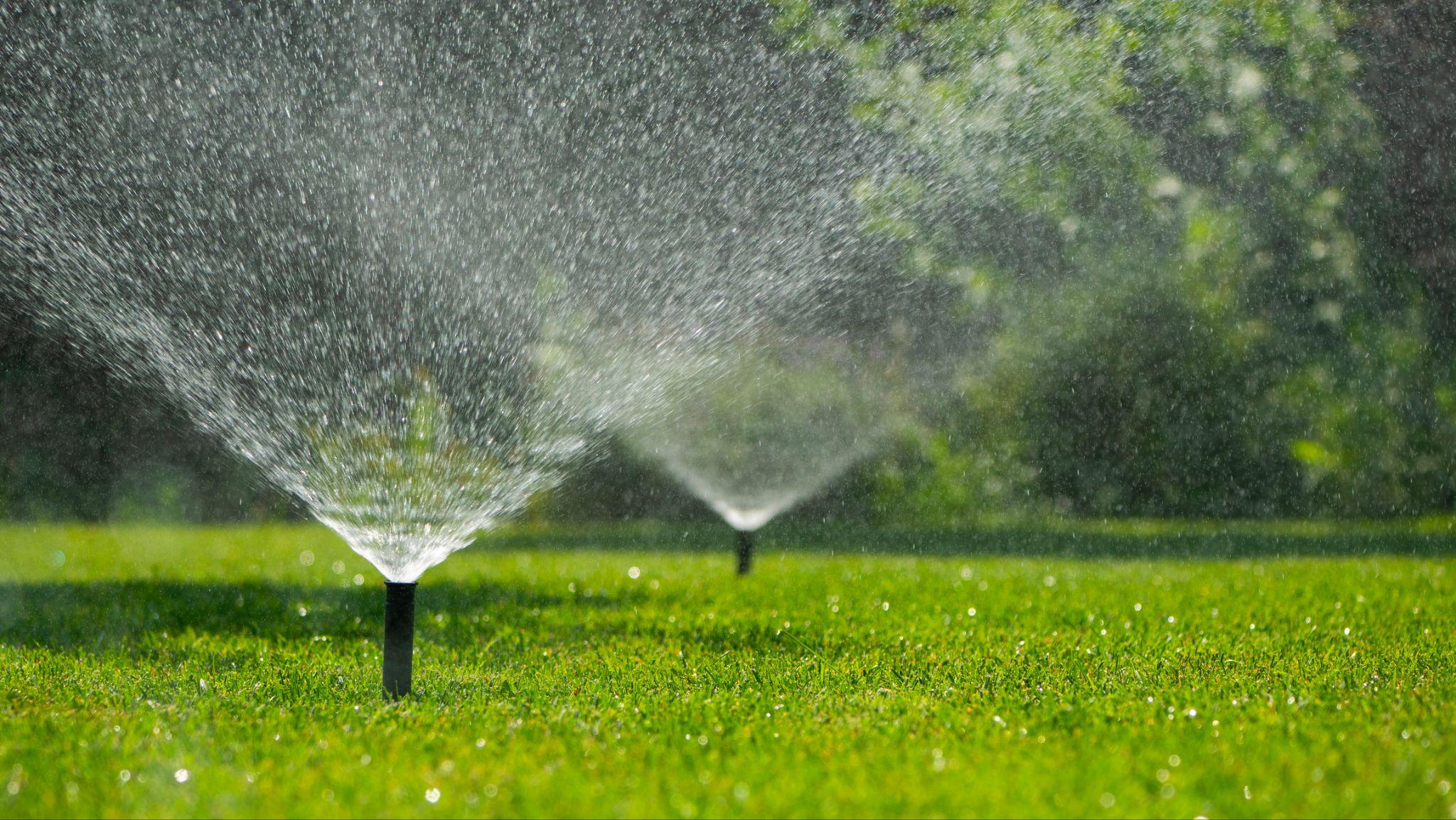
High temperatures increase water demand. Proper scheduling helps meet that demand without overwhelming roots.
Adjustments made through irrigation focused care deliver water deeper into the soil. Deeper moisture supports stronger roots and reduces surface evaporation.
Reducing stress during heat helps plants maintain color and structure.
How Does Irrigation Maintenance Fit Into A Larger Landscape Maintenance Plan?
Irrigation works best when coordinated with mowing, pruning, fertilization, and soil care. Alignment puts the right amount of water with the plants that need it for specific zones; creating zones for annual flowers separate from turf.
Consistent irrigation system maintenance integrates naturally with broader property strategies. For homeowners, this coordination often complements residential landscape maintenance programs designed to support year-round property health.
What Role Does Monitoring Play In Long-Term Irrigation Performance?
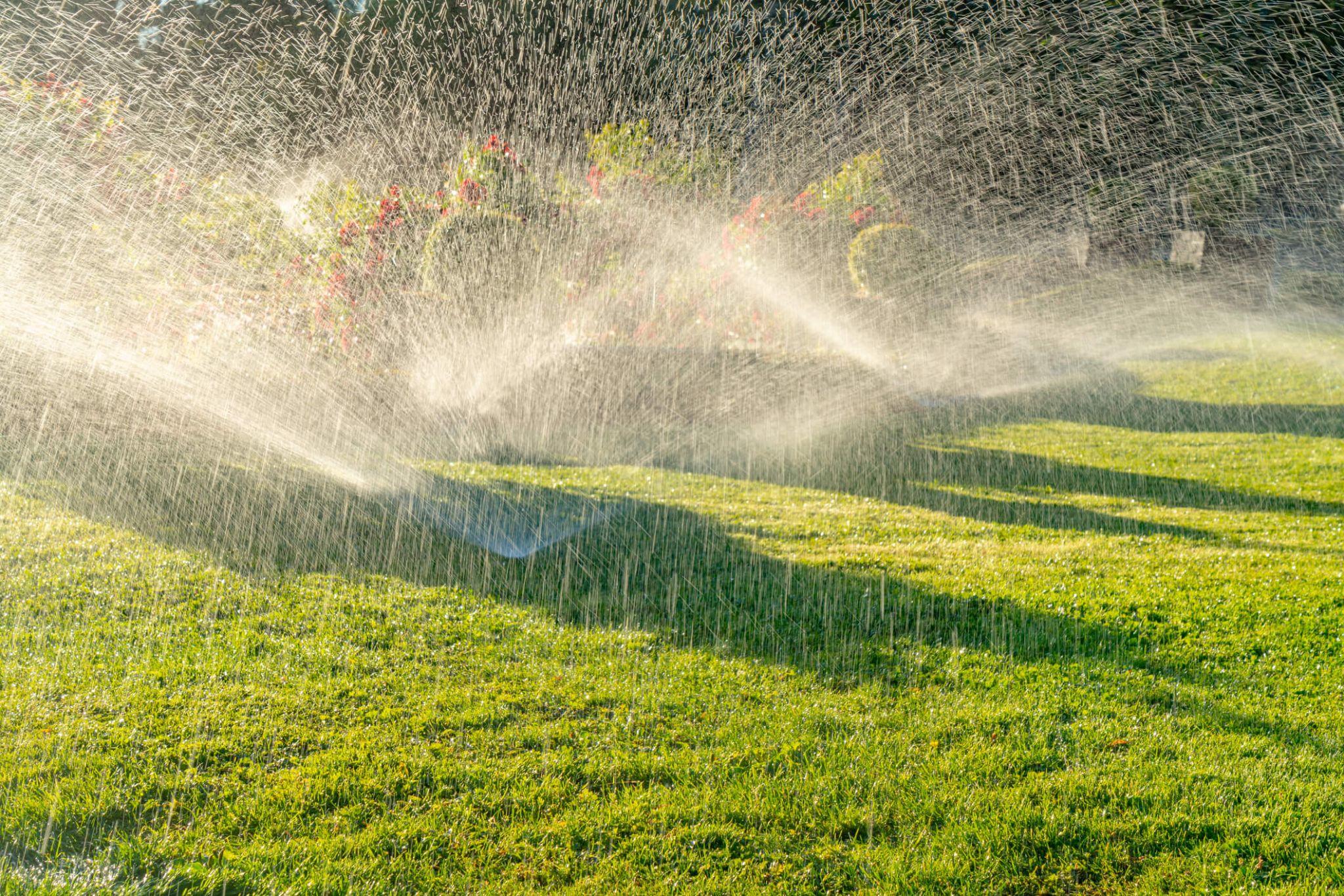
Monitoring allows gradual adjustments rather than reactive corrections. Tracking performance over time highlights trends and emerging concerns.
Irrigation-focused monitoring adapts schedules as plants mature or site conditions change. This approach supports dependable performance year after year.
How Can Proactive Irrigation Maintenance Prevent Larger Landscape Issues?
Proactive care identifies concerns before they affect plant health. Early intervention limits stress and supports faster recovery.
Clear communication and transparency keep you informed about system condition and recommended adjustments.
Addressing issues early supports stable, predictable landscapes.
How Often Should I Water My Lawn?
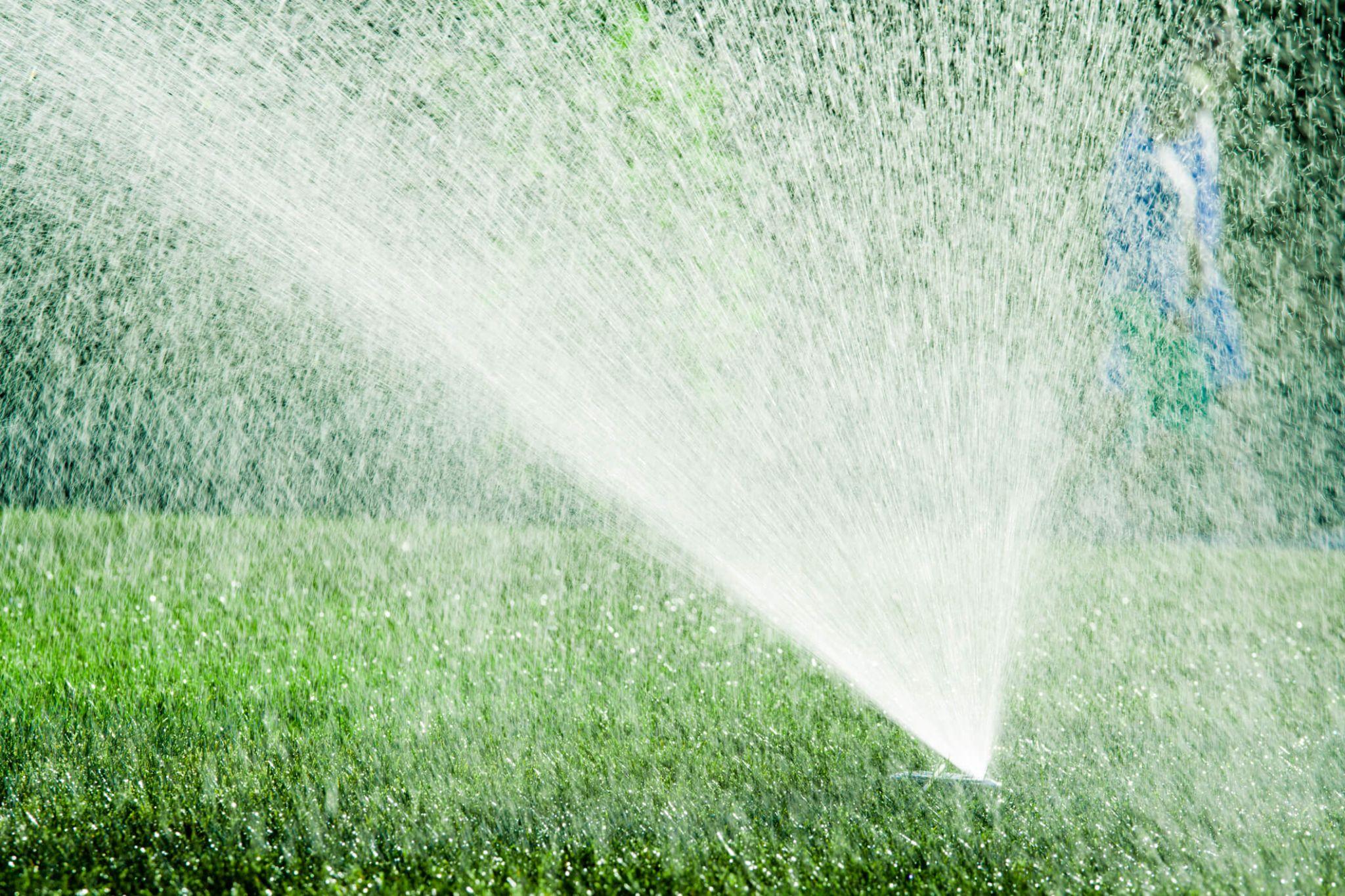
Lawns benefit from deeper, less frequent watering. This typically means 2-3 times a week during the early morning hours on days you don’t mow your lawn. You want to deliver 1 to 1.5 inches per week. This encourages roots to grow deeper into the soil.
Spacing watering allows moisture to penetrate fully rather than remaining near the surface. Monitoring soil conditions helps fine-tune frequency.
Should I Use Rain Sensors And Smart Controllers?
Rain sensors and smart controllers adjust watering based on weather conditions. These tools reduce unnecessary watering and support consistency.
They represent newer technology that responds to real-time data and improves efficiency.
What Are Irrigation Smart Controllers?
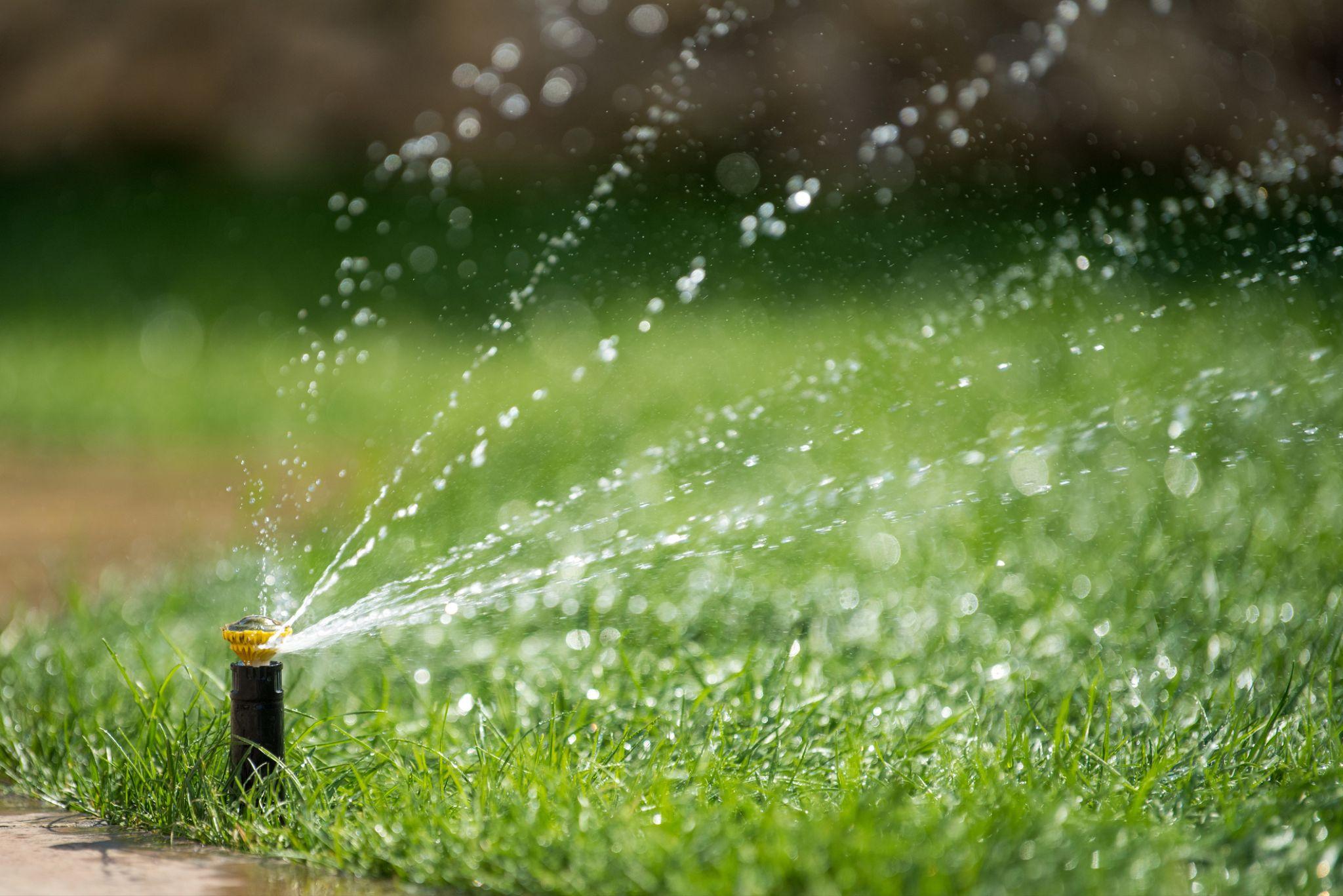
Smart controllers use weather inputs, soil data, and programmed settings to adjust schedules automatically.
When paired with regular irrigation system maintenance, they support accuracy and long-term reliability.
How Often Do I Water A New Tree?
New trees require consistent moisture while roots establish. Watering should be slow and deep.
Early irrigation focused care maintains even soil moisture without saturation. As trees mature, frequency can decrease while depth increases.
Reliable irrigation care supports landscapes that perform consistently through every season. Understanding how irrigation connects with broader property planning helps protect long-term results, which is explored further through our detailed guide focused on long-term landscape maintenance strategies. When you are ready to discuss tailored irrigation care for your property, you can book a consultation.
Summary
Irrigation maintenance helps property owners understand how informed watering practices support healthy landscapes, reduce plant stress, and maintain consistent performance over time. This guide covered common questions around these concerns to help empower you to tackle problems head on and when to know to get professional help.
Tags: