

Landscape Maintenance Checklist For A Healthy Yard
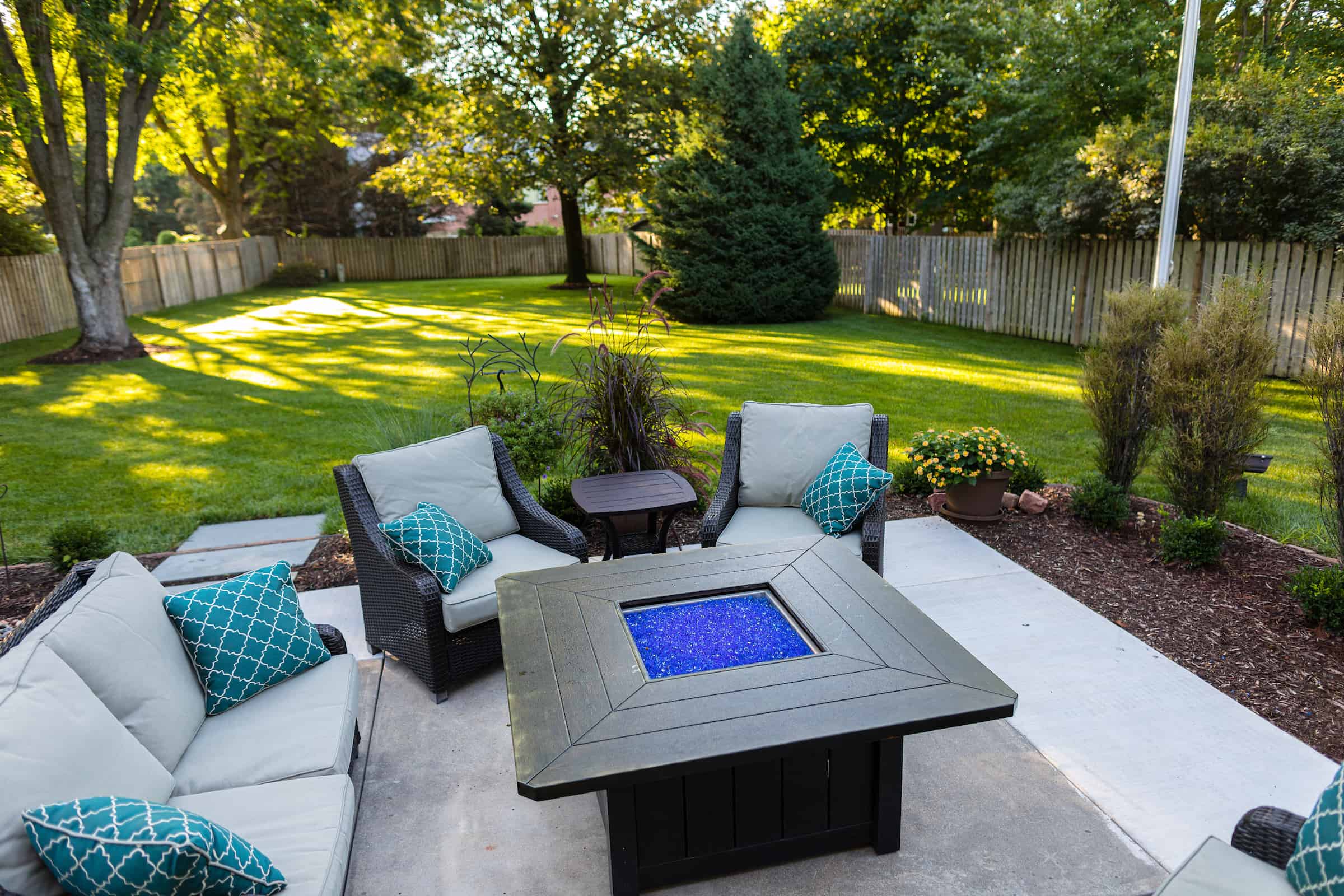
A healthy landscape requires more than occasional attention. Without structure, outdoor spaces slowly lose balance, function, and visual appeal. Small issues like uneven turf, early weed growth, or poorly maintained garden beds can quickly compound if not addressed. Seasonal shifts in Omaha place added pressure on turf, trees, and planting beds, requiring consistent care and planning. Clear direction makes it easier to protect long-term property value. For deeper planning insight, check out our Guide to Landscape Maintenance for Long Term Property Care, which provides practical steps for year-round landscape care.
When outdoor care lacks consistency, small problems often go unnoticed until they spread. Weeds take hold. Turf thins. Shrubs lose shape. Even minor neglect can affect soil health, drainage, and overall plant vigor. Over time, even well-designed spaces begin to feel neglected and less inviting. A thoughtful approach helps prevent these issues before they disrupt your property. This guide outlines a practical landscape maintenance checklist that supports strong performance across commercial and residential sites in a Zone 5 climate, ensuring your landscape remains healthy, balanced, and visually appealing year-round.
Mow At The Proper Height And Frequency
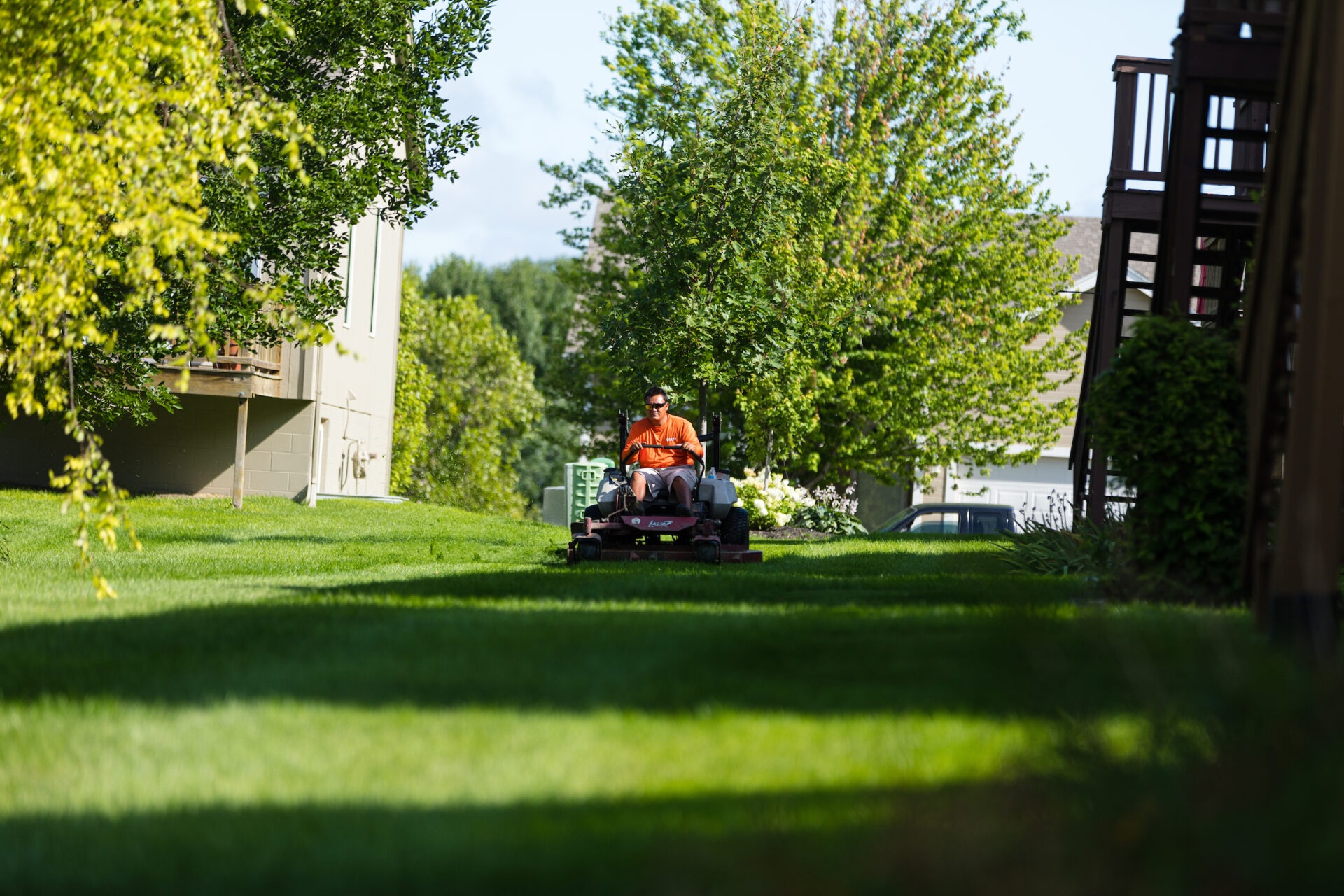
Mowing influences turf health more than most property owners realize. Cutting too low stresses grass and exposes soil, making it more vulnerable to pests and environmental stress. A well-planned approach supports density, color, and durability while encouraging stronger overall growth.
You benefit most when mowing height matches turf type and seasonal growth patterns. Cool-season grasses common in Omaha perform best when maintained at moderate heights that allow optimal photosynthesis. Removing no more than one-third of the blade during each visit protects roots and supports recovery, keeping the lawn thick and vibrant.
Frequency should respond to growth conditions and seasonal weather variations. During peak spring growth, weekly mowing is often required to maintain health and appearance. In summer heat, intervals may lengthen slightly to prevent stress. Fall mowing gradually tapers as growth slows, ensuring energy is preserved for winter. This rhythm supports stability and reduces stress while improving lawn resilience.
Helpful lawn care tips include alternating mowing patterns each week to encourage upright growth. This limits compaction and keeps grass upright for a more uniform appearance. Sharp blades also matter for maintaining clean, healthy cuts. Clean cuts heal faster, reduce disease risk, and improve the overall look of your property.
When mowing aligns with a structured landscape maintenance checklist, turf remains even, resilient, and visually consistent across the season, showing a healthy, professional appearance that enhances the entire landscape.
Mulch And Control Weeds In Garden Beds
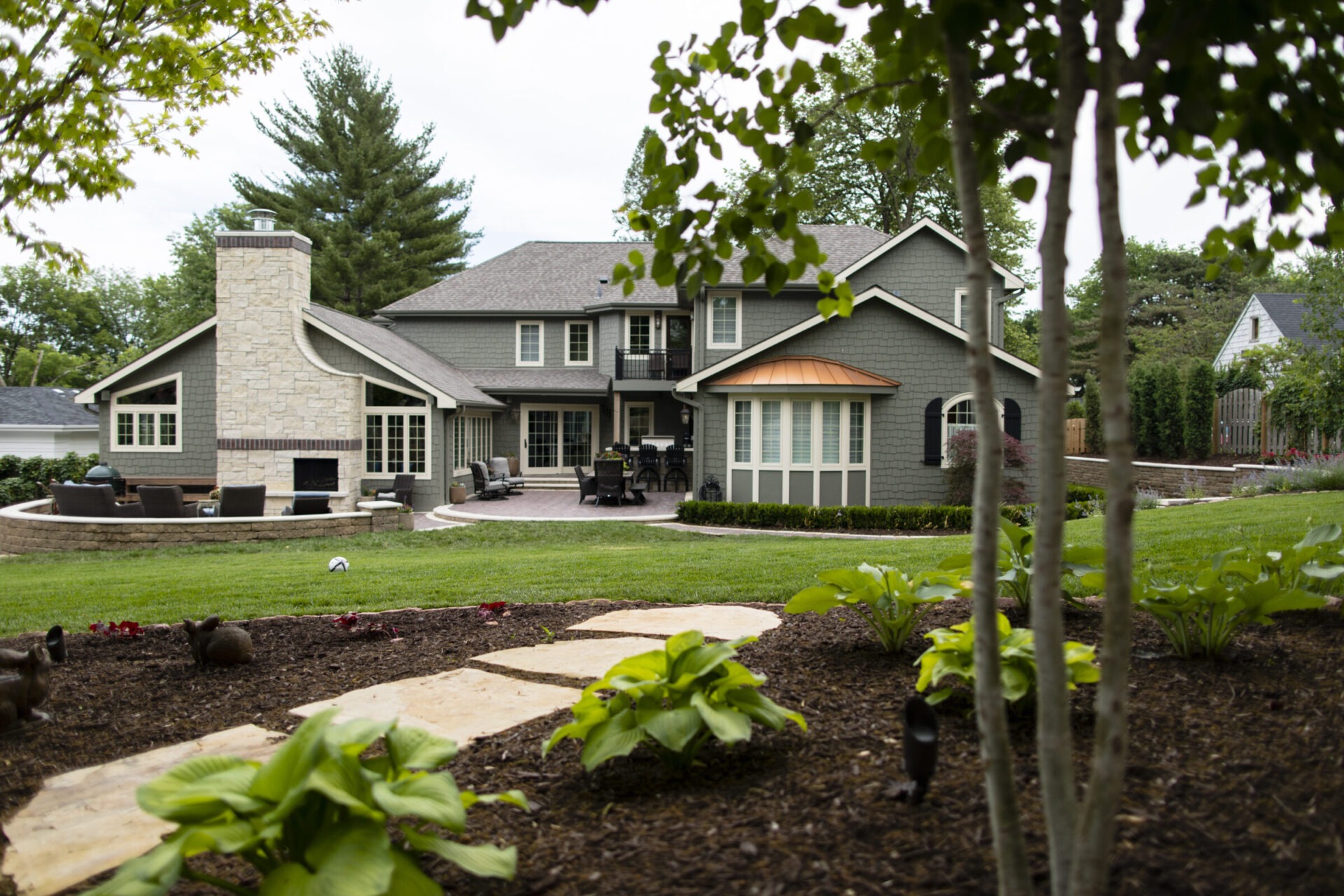
Garden beds shape the overall structure of your property. Without care, they become one of the first areas to decline. Weed pressure increases, soil dries out, and nutrient levels drop, leaving plants more vulnerable to disease and stress. Regular attention keeps beds vibrant, healthy, and visually appealing. Applying mulch before weeds pop up helps prevent them from taking over.
Mulch plays a central role in garden maintenance. Applied at the correct depth, it helps regulate soil temperature, retain moisture, and limit weed growth. In a Zone 5 climate, mulch also protects roots from temperature swings.
You get better results when mulch is refreshed at the right time of year. Spring applications support early growth. Mid-season touch-ups maintain coverage. Beds should always be edged before mulch is applied to keep lines clean and material contained.
Weed control works best when handled early. Regular inspection allows small issues to be addressed before they spread. Knowing the difference between annual and perennial weeds helps determine removal methods.
A balanced approach to mulch and weed management supports long-term soil health and reduces ongoing disruption to your landscape. Consistently maintaining mulch depth, laying down mulch evenly away from trees (no mulch volcanoes) removing weeds promptly, and monitoring soil moisture encourages stronger plant growth, improves nutrient absorption, and helps your garden beds remain attractive and low-maintenance throughout the year.
Fertilize Lawn And Plants For Healthy Growth
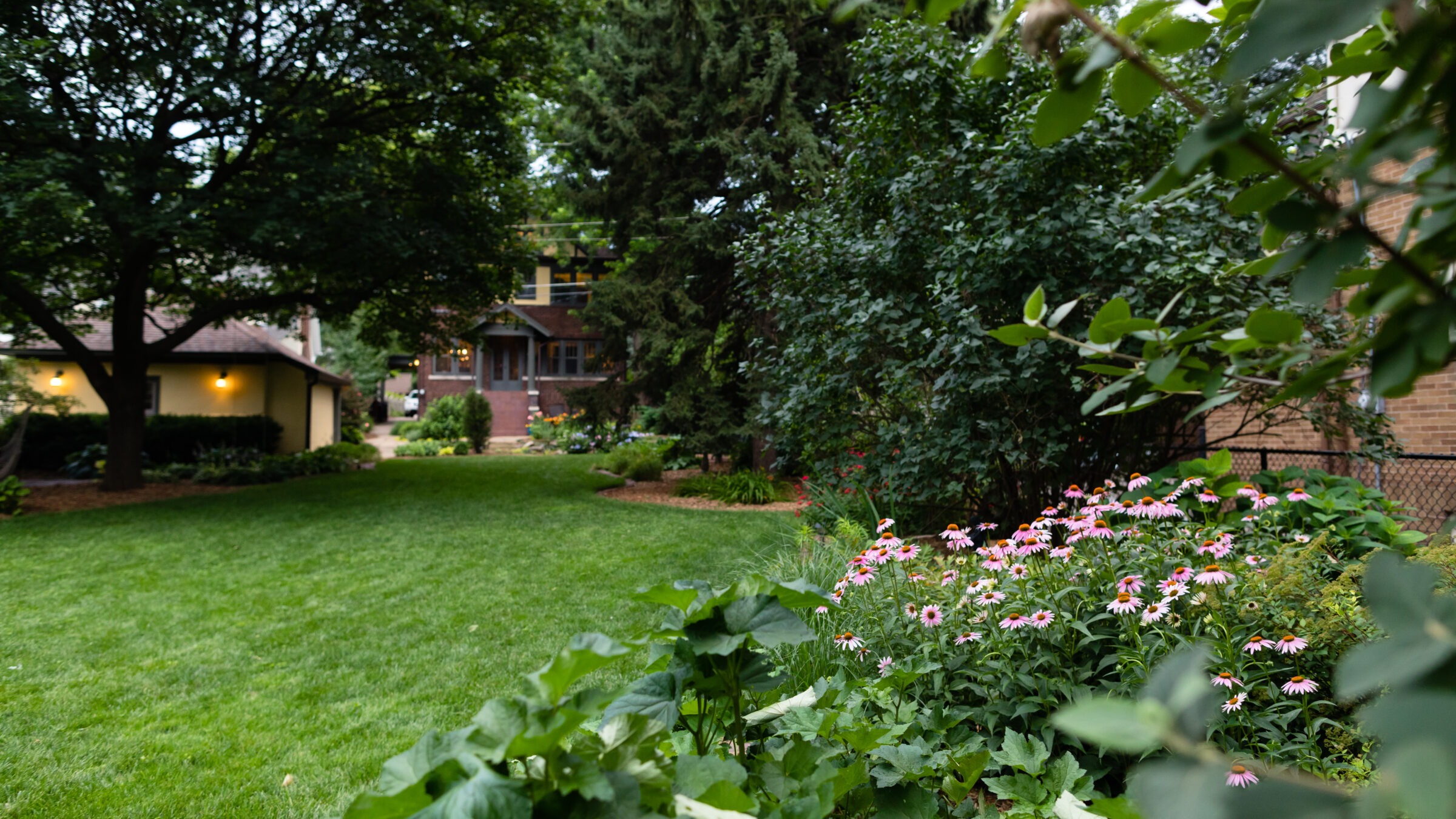
Fertilization supports growth, color, and structure when done correctly. Without planning, it can cause uneven results or plant stress. Timing and product selection matter. Choosing the right type of fertilizer for each plant ensures nutrients are available when they are most needed. Soil testing can guide adjustments, improving overall efficiency.
You see stronger performance when feeding aligns with natural growth cycles. Turf responds best during active growth periods. Trees and shrubs require species-specific timing and nutrient balance. This prevents excess top growth while supporting root development. Consistent fertilization also strengthens plant resilience against pests, disease, and seasonal stress, helping your landscape remain vibrant throughout the year.
A clear lawn maintenance schedule helps track applications and monitor response. Adjustments can be made based on soil condition, weather patterns, and plant behavior. For a deeper look at how structured lawn care supports turf health throughout the season, you can review our lawn care and maintenance services for practical planning insight.
Garden maintenance improves when soil health is addressed alongside feeding. Healthy soil improves nutrient uptake, moisture retention, and supports beneficial microorganisms that strengthen plant roots. Over time, this reduces stress during dry or hot periods and enhances overall landscape resilience.
When fertilization becomes part of a broader landscape maintenance checklist, landscapes maintain steady growth rather than short-lived bursts followed by decline. Consistent, thoughtful feeding ensures turf, trees, and shrubs remain vibrant, strong, and better able to withstand seasonal challenges.
Water Efficiently And Deeply
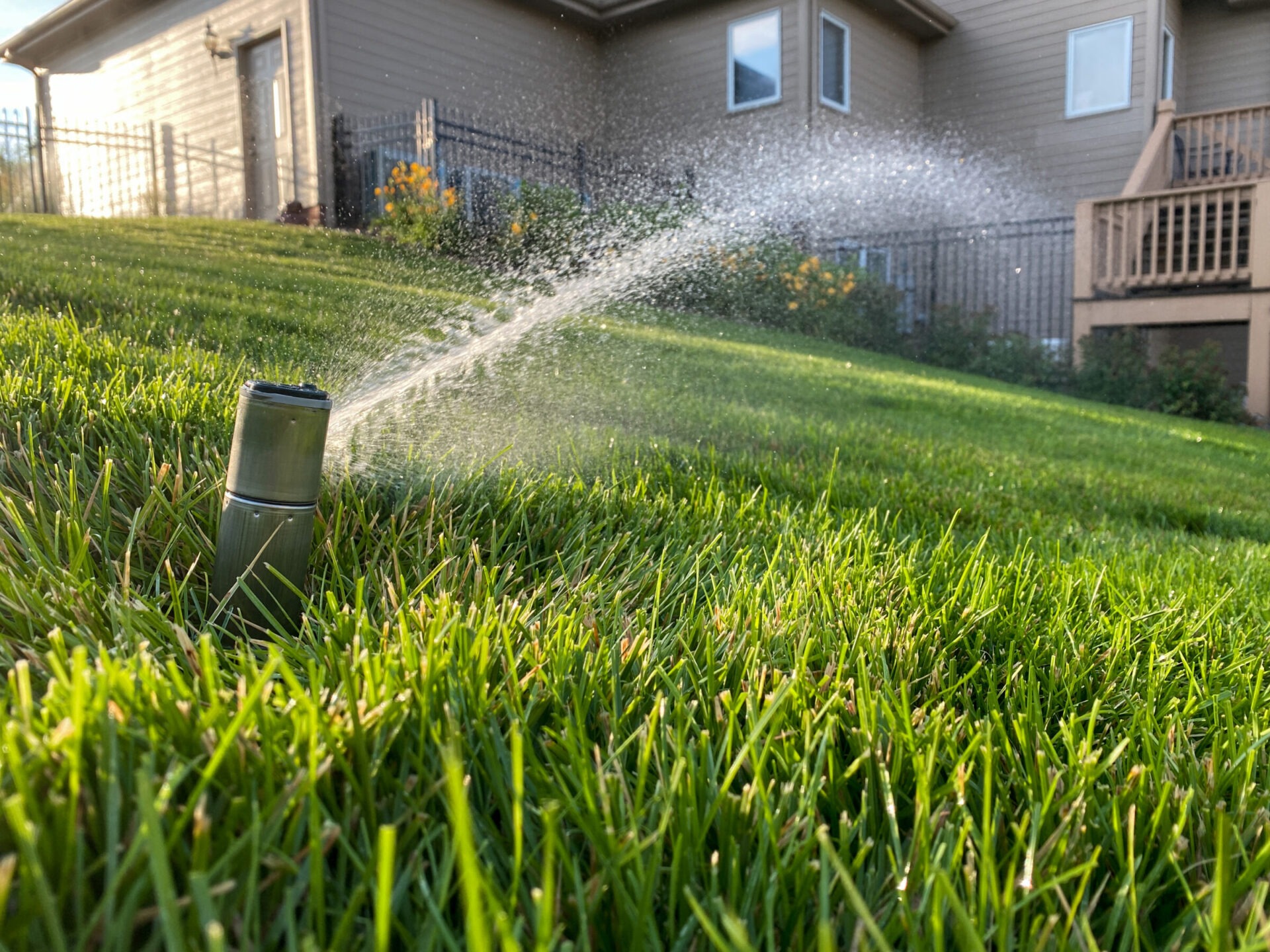
Watering habits shape plant resilience. Shallow, frequent watering encourages weak roots, increases stress, and makes plants more vulnerable to drought. Deep, infrequent cycles support long-term strength and promote healthy, extensive root systems that improve overall landscape durability.
You benefit from watering practices that respond to weather, soil type, and specific plant needs. In Omaha, irrigation should adjust with rainfall, temperature fluctuations, and seasonal growth patterns. Oversaturation creates disease risk, wastes resources, and can damage surrounding hardscapes if not monitored carefully.
Spring lawn care often requires gradual increases as growth resumes. Summer focuses on maintaining moisture during heat, ensuring both turf and beds remain healthy. Fall lawn care shifts toward steady hydration while preparing plants for dormancy, helping roots store energy for winter survival.
System inspections matter. Broken heads, uneven coverage, or runoff reduce effectiveness and can leave patches dry or overwatered. Proactive monitoring ensures water reaches roots rather than pavement or sidewalks, maximizing efficiency and supporting overall landscape performance.
Efficient watering supports turf density, tree health, and planting bed performance across changing conditions, providing consistent growth, stress resistance, and long-term stability throughout the year.
Prune Shrubs And Trees Regularly
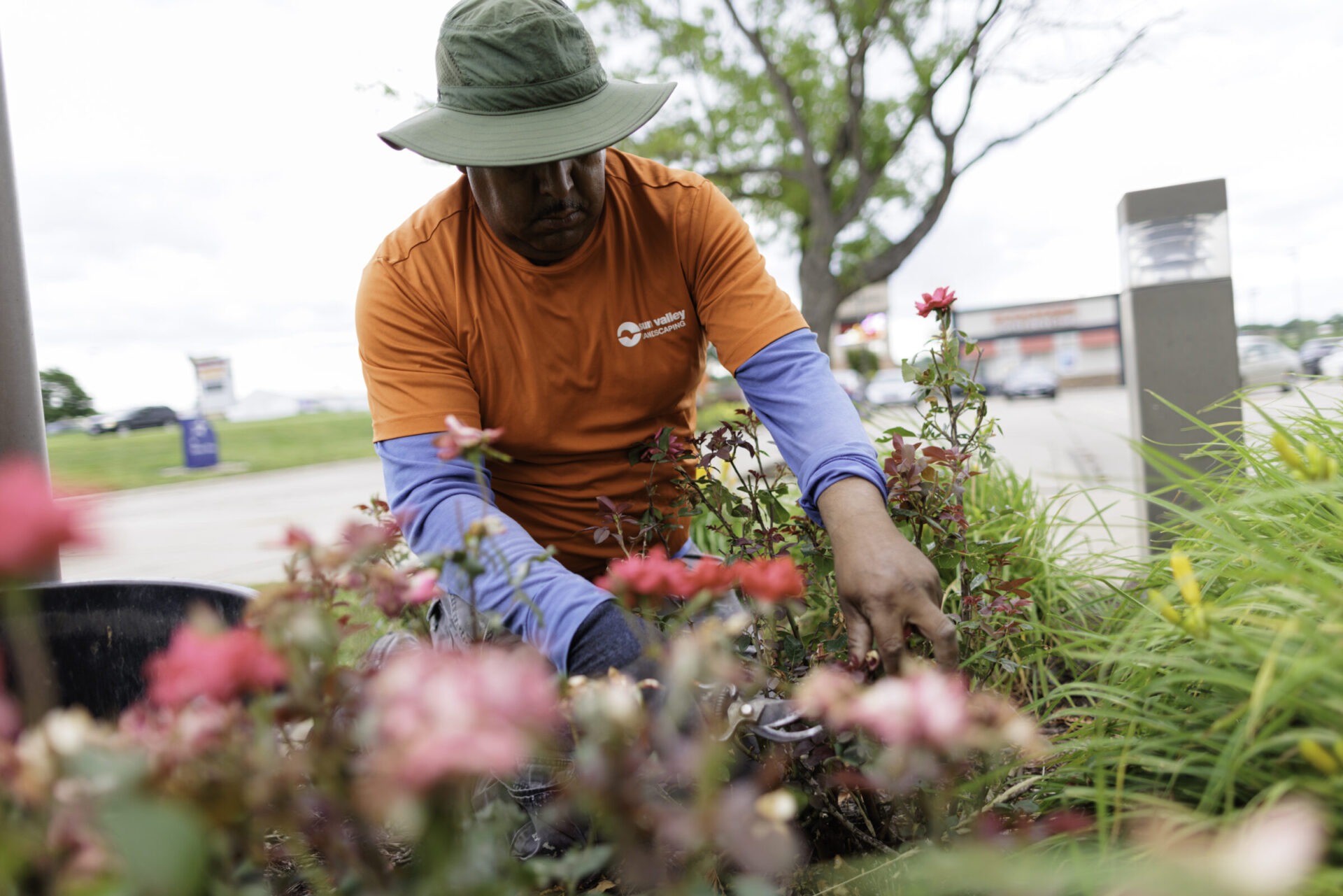
Pruning supports structure, health, and safety. It must be done with knowledge, timing, and proper tools rather than routine cutting. Careful attention ensures plants develop evenly and remain strong through the seasons.
Each plant has unique requirements. Some shrubs should be pruned after flowering to maintain shape and encourage blooms. Others respond best to early spring attention before new growth emerges. Trees benefit from selective pruning that removes weak, crossing, or damaged branches to support long-term health.
Zone 5 conditions make timing especially important. Incorrect pruning can remove buds or encourage unwanted growth before frost, potentially reducing flowering or weakening the plant. Understanding plant type and seasonal cycles guides every pruning decision.
You gain better results when pruning focuses on long-term form rather than short-term appearance. Airflow improves, light reaches inner growth, and structural integrity strengthens, helping plants withstand environmental stress while remaining visually balanced.
Advanced training ensures cuts are clean and positioned correctly. This reduces stress, supports recovery, and prevents disease. When pruning follows a structured landscape maintenance checklist, plants retain natural form while remaining healthy, strong, and safe throughout the year.
Perform Seasonal Cleanups (Spring And Fall)
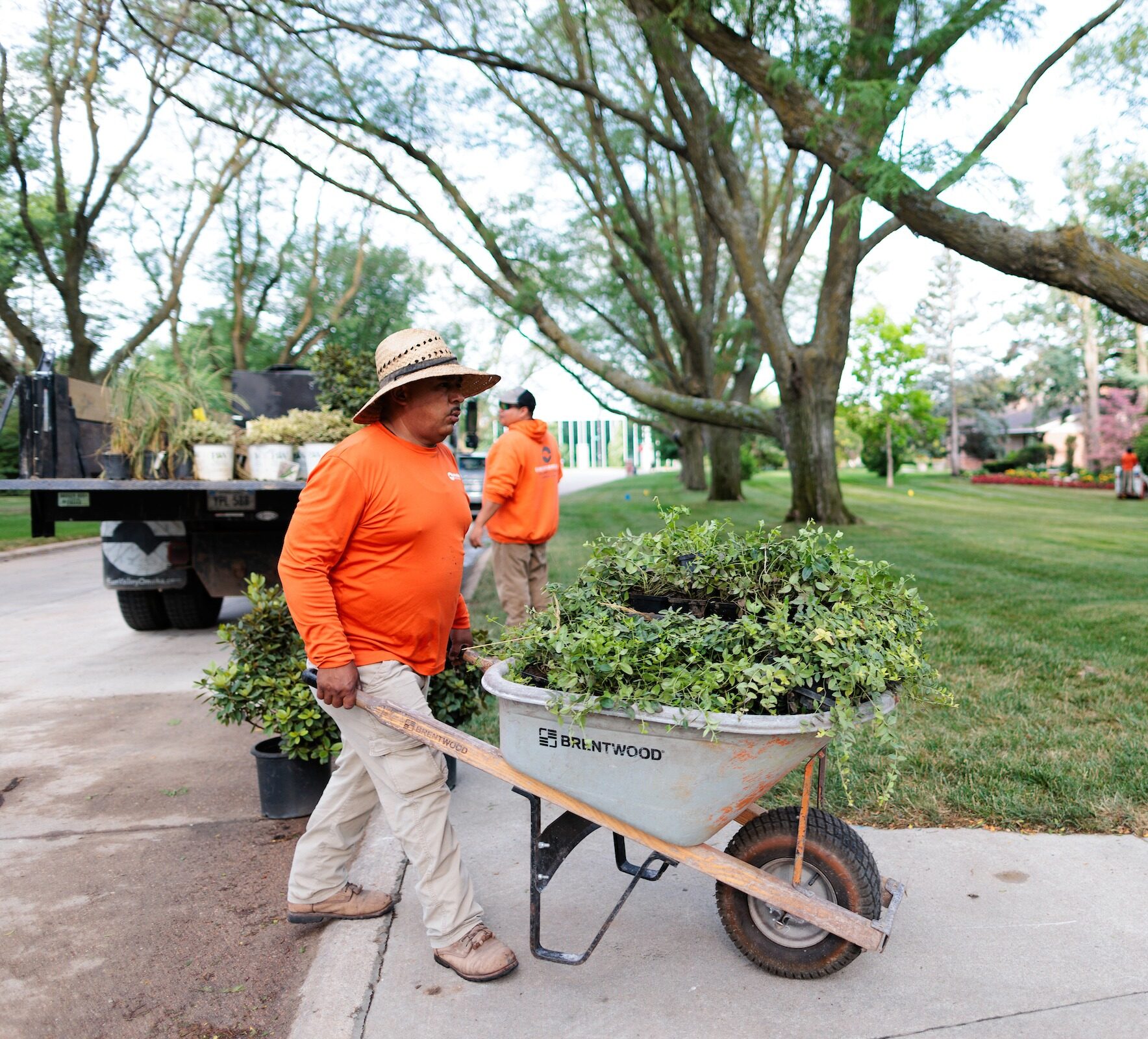
Seasonal cleanups reset your landscape and prepare it for what comes next. They are not cosmetic tasks. They protect plant health and improve site function.
Spring cleanups remove debris that restricts growth. Leaves, branches, and winter residue block light and airflow. Clearing these materials allows turf and plants to emerge evenly. This process also helps identify damaged areas from winter weather, such as broken branches or bare patches in turf. Early cleanup sets the stage for healthy spring lawn care, improves soil warming, and reduces the risk of disease spreading.
Spring lawn care often includes edging beds, refreshing mulch, and inspecting turf damage. These steps support early growth and reveal areas needing repair.
Fall lawn care focuses on preparation. Removing spent plant material reduces disease risk. Final mowing and bed cleanup help landscapes enter winter in a stable condition. Raking leaves, aerating compacted soil, and topping up mulch also support root development and protect perennials. Preparing irrigation systems and checking drainage ensures your landscape can handle frost and snow while remaining healthy for the following spring.
Yard maintenance during these transitions also includes drainage checks and surface inspections. Addressing issues early prevents future disruption.
Seasonal cleanups provide structure and continuity throughout the year. By consistently addressing debris, pruning, and mulch renewal, these scheduled tasks help maintain plant health, prevent pest issues, and keep your landscape visually balanced across every season.
Inspect For Pests And Issues Proactively
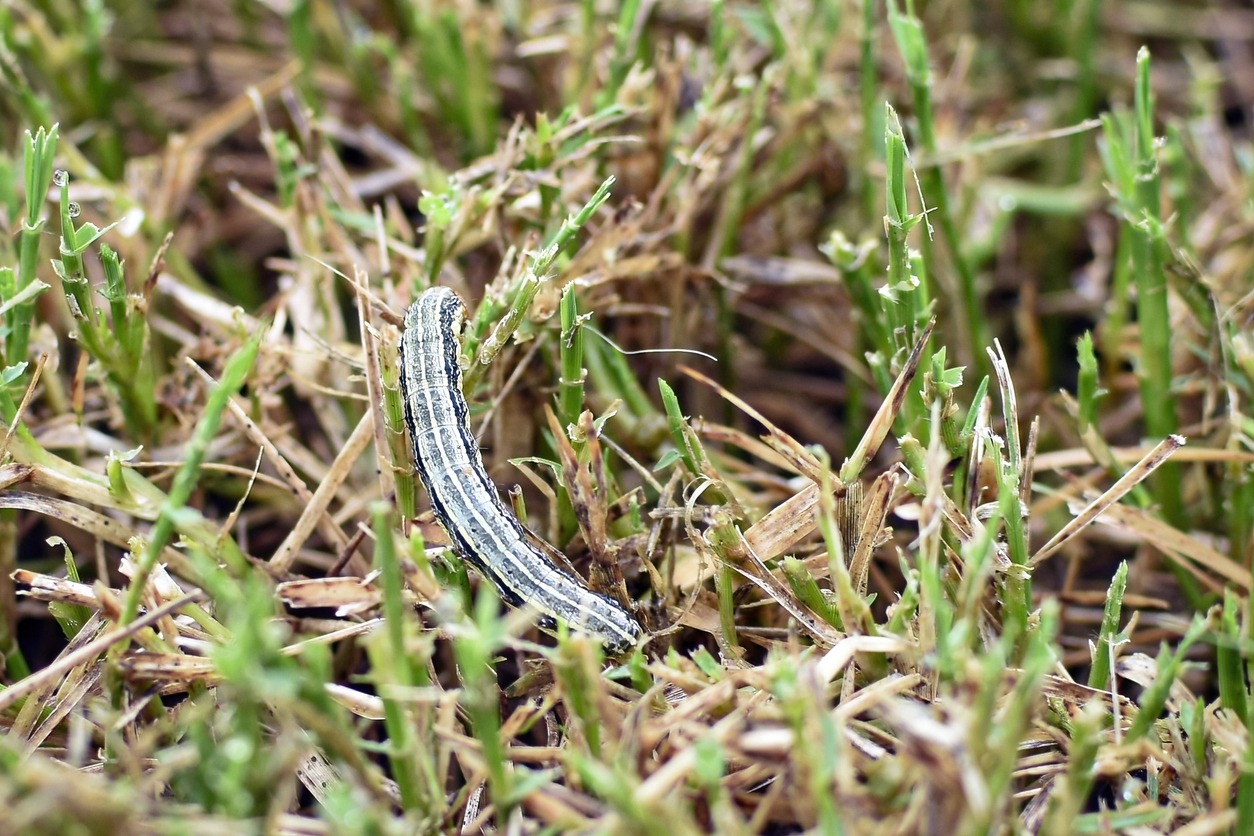
Regular inspection protects landscapes from gradual decline. Many problems develop slowly and are easy to miss without trained observation. Small changes in plant vigor, wilting, or unusual growth patterns can indicate early signs of pests, disease, or soil imbalance. By paying attention to these details, you can address issues before they spread or cause permanent damage.
You benefit from early detection. Changes in leaf color, growth patterns, or soil condition often signal underlying issues. Identifying concerns early allows targeted response with minimal disruption. Documenting observations and keeping a simple record of recurring patterns also helps refine your care routine, ensuring each visit or maintenance task is proactive rather than reactive, preserving both plant health and overall landscape appearance.
Pest activity varies by season. Knowing regional patterns helps guide inspection timing and ensures any emerging issues are addressed promptly. Monitoring irrigation performance, soil compaction, and plant stress also supports overall health and prevents conditions that attract pests or disease.
Documentation creates clarity. Tracking observations over time supports informed decisions and consistent care. Keeping detailed records of pest activity, plant responses, and corrective measures helps you identify recurring patterns, plan future maintenance more effectively, and maintain a landscape that is both resilient and visually appealing throughout the year.
Proactive inspection reinforces every other element of your maintenance approach and completes a well-rounded landscape maintenance checklist, ensuring timely interventions, healthier plants, and consistent long-term performance across your entire property. We recommend working with a certified arborist to help treat pests and keep them under control.
Long-Term Care Starts With Structure
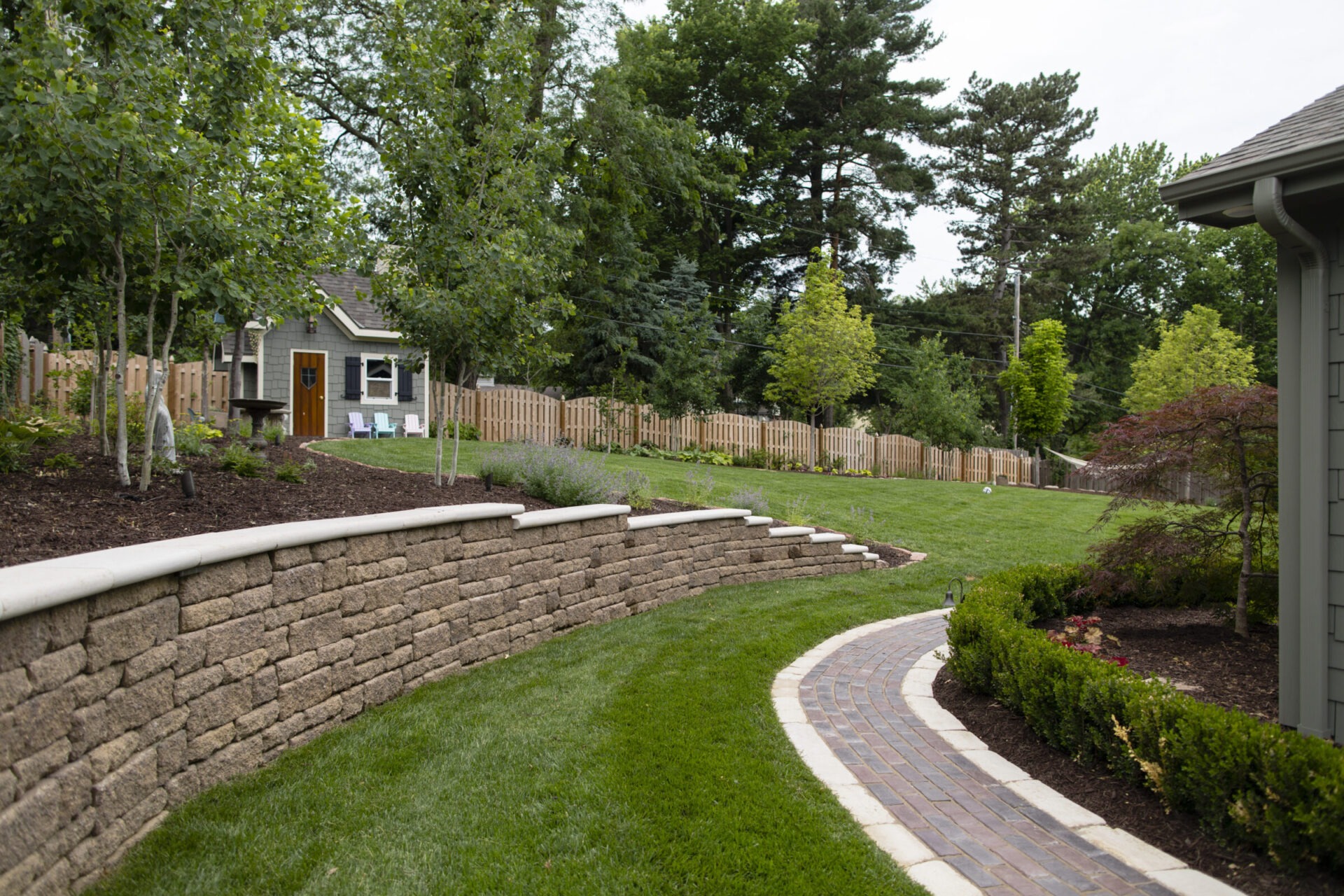
Landscapes perform best when care follows a clear framework. Consistent attention, informed timing, and proactive oversight protect both appearance and function. Each step, from mowing and watering to pruning and seasonal cleanups, builds on the last, creating a resilient and visually balanced property. When every element works together, properties remain strong through seasonal change, weather variations, and natural growth cycles. This structured approach reduces long-term stress on plants and turf, ensuring a landscape that thrives year-round and maintains its design integrity.
If you are ready to apply this approach to your own site, you can take the next step and book a consultation. Working with knowledgeable professionals helps tailor practices to your property’s specific needs, from soil type and plant selection to irrigation and maintenance frequency.
Summary
A landscape maintenance checklist provides clear direction for maintaining healthy, balanced outdoor spaces by aligning seasonal care with long-term property needs. It helps you stay ahead of common issues such as weed growth, uneven turf, or plant stress, while creating a predictable rhythm for tasks like mowing, pruning, watering, and fertilizing. Following a structured approach ensures consistent results, reduces reactive work, and supports the overall longevity and visual appeal of your property throughout the year.
By regularly reviewing and adjusting your care routine, you can respond to changes in soil conditions, weather patterns, and plant growth. This proactive method also allows you to plan seasonal cleanups, pest inspections, and fertilization more effectively, helping your landscape remain healthy, attractive, and well-maintained for years to come.
Tags: