

Low-Maintenance Landscaping Ideas and Tips for Omaha Homes
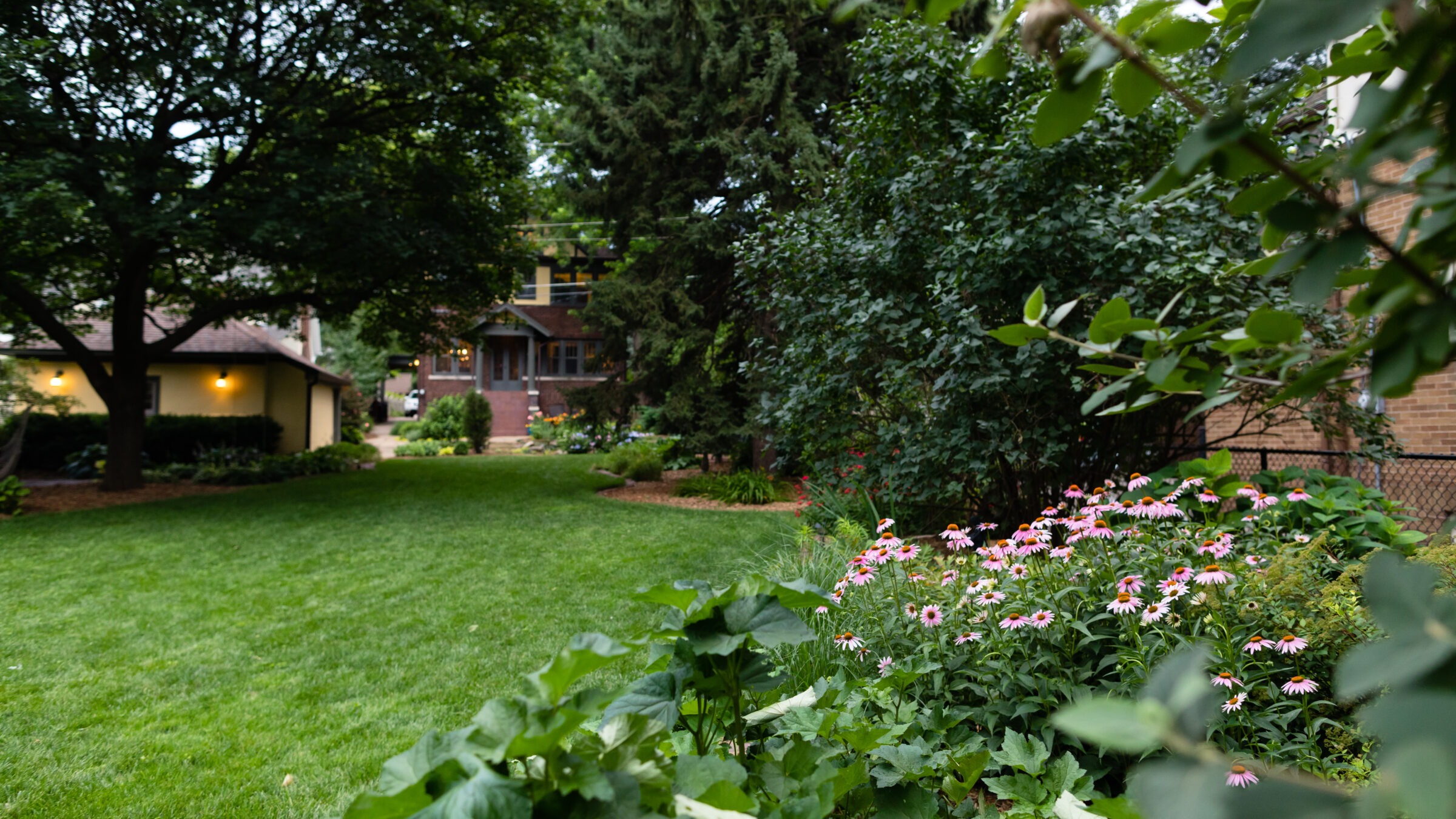
Modern life leaves little time for endless yard work. Between work, family commitments, and trying to enjoy your own downtime, spending hours weeding and watering can feel like a punishment. If you have felt the frustration of watching a carefully planted garden either under a heat wave or a busy schedule, you are not alone. Many people in Omaha find that traditional lawns and flowerbeds demand constant attention.
The problem is clear: your yard should be a place of relaxation, yet it often feels like another chore.
You might notice weeds sprouting overnight, turf turning brown during dry spells, or shrubs needing another pruning. Each issue adds to your to‑do list and takes away from the time you could spend with family or simply enjoying the outdoors. The agitation intensifies when you think of water bills rising, long Saturday mornings behind a mower, or the guilt of letting plants die because you were too busy to care for them.
Low-maintenance landscaping offers that solution. It uses plants suited to our region, smart irrigation, and thoughtful design to create a yard that thrives with minimal input. By selecting drought‑tolerant species, using mulch beds and efficient watering systems, and reducing lawn areas, you can enjoy a beautiful outdoor space that doesn’t compete with your life.
In this blog, you will learn practical ideas and tips designed for Omaha homeowners who want to spend less time working and more time relaxing. This guide will show you how to make smart choices that lead to sustainable, low-maintenance landscaping and give you confidence in creating a yard you love.
How Do You Choose Drought‑Tolerant Plants?
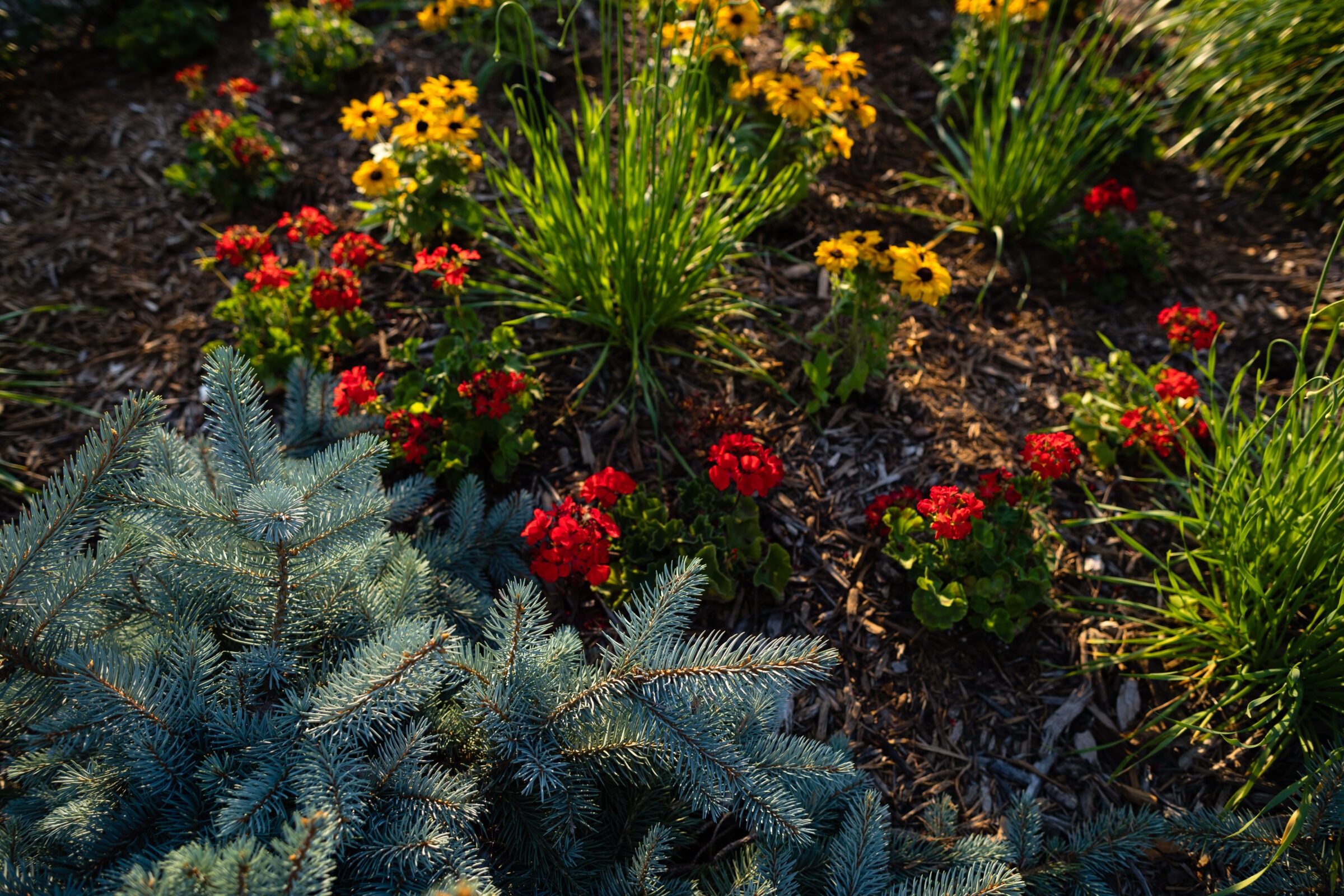
Selecting the right plants is the foundation of an easy‑care yard. In our region, summers can be hot and dry, while winters are cold, so hardy species are essential. Plants naturally thriving in these conditions need less water and attention, making them perfect for low-maintenance landscaping.
Native & Drought‑Tolerant Plants
Native species evolved with the local climate and soils. They withstand drought, pests, and temperature swings better than exotic plants. Drought‑tolerant perennials often have adaptations like deep roots or waxy leaves to conserve moisture. By choosing these plants, you reduce the need for frequent watering and chemical treatments.
Plant Selection Strategies
Here are some plant categories and examples to consider for your yard:
- Native Perennials: Coneflower, black‑eyed Susan, and prairie dropseed bring colour and attract pollinators. These plants bloom reliably and handle dry conditions well. You get vibrant flowers without constant watering.
- Drought‑Tolerant Grasses: Fine and tall fescues use less water and develop deep root systems that access moisture far below the soil surface. Planting them as lawn alternatives or ornamental clumps reduces irrigation and mowing.
- Ground Covers: Sedum, creeping thyme, and clover form dense mats that crowd out weeds. These low‑growing plants reduce maintenance and add texture to beds and pathways.
Each of these categories contributes to low-maintenance landscaping because it thrives on less water and care. Group plants with similar light and moisture needs together so you can water efficiently. When you create zones based on plant needs, every group receives the appropriate attention without waste.
How Can You Design With Mulch Beds & Ground Covers?

Mulch and ground covers play a vital role in reducing maintenance tasks. They conserve moisture, suppress weeds, and add a polished look to garden beds. Here’s how to integrate them effectively.
Mulch Basics
Spread a layer of organic mulch around plants and over exposed soil. Wood chips, shredded bark, or leaf mould work well. A depth of two to four inches helps insulate roots, stabilize soil temperatures, and slow evaporation. When mulch breaks down, it enriches the soil, improving its structure. Keep mulch a few inches away from stems to prevent rot.
Creating Ground Cover Zones
Ground covers can replace traditional turf or fill gaps between larger plants. They create living carpets that require little mowing or watering. For sunny spots, creeping thyme produces tiny flowers and emits a pleasant scent when walked on. In partial shade, sweet woodruff or wild ginger spreads quickly and offers lush foliage. For areas prone to erosion, sedum’s fleshy leaves hold soil in place while tolerating heat and drought.
Layered Bed Design
Combine shrubs, perennials, and ground covers to build layered beds that look full and reduce open soil. Start with taller plants at the back of the bed, then medium‑sized ones, and finish with low ground covers at the front. This arrangement limits weed growth and cuts the need for frequent pruning. It also creates visual depth and interest throughout the year. In low-maintenance landscaping, thoughtful layering ensures that plants fill space efficiently, reducing the urge to continually add or move plants.
Practical Tips For Bed Maintenance
Caring for mulch beds doesn’t have to be time-consuming. A few simple habits keep them neat and effective:
- Refresh mulch each spring and pull weeds before spreading it.
- Use edging materials such as stone or metal to keep beds tidy and prevent mulch from spilling onto paths.
- Design simple pathways through beds so you can tend plants without trampling soil.
Why Use Automatic Irrigation Systems for low-maintenace landscaping?
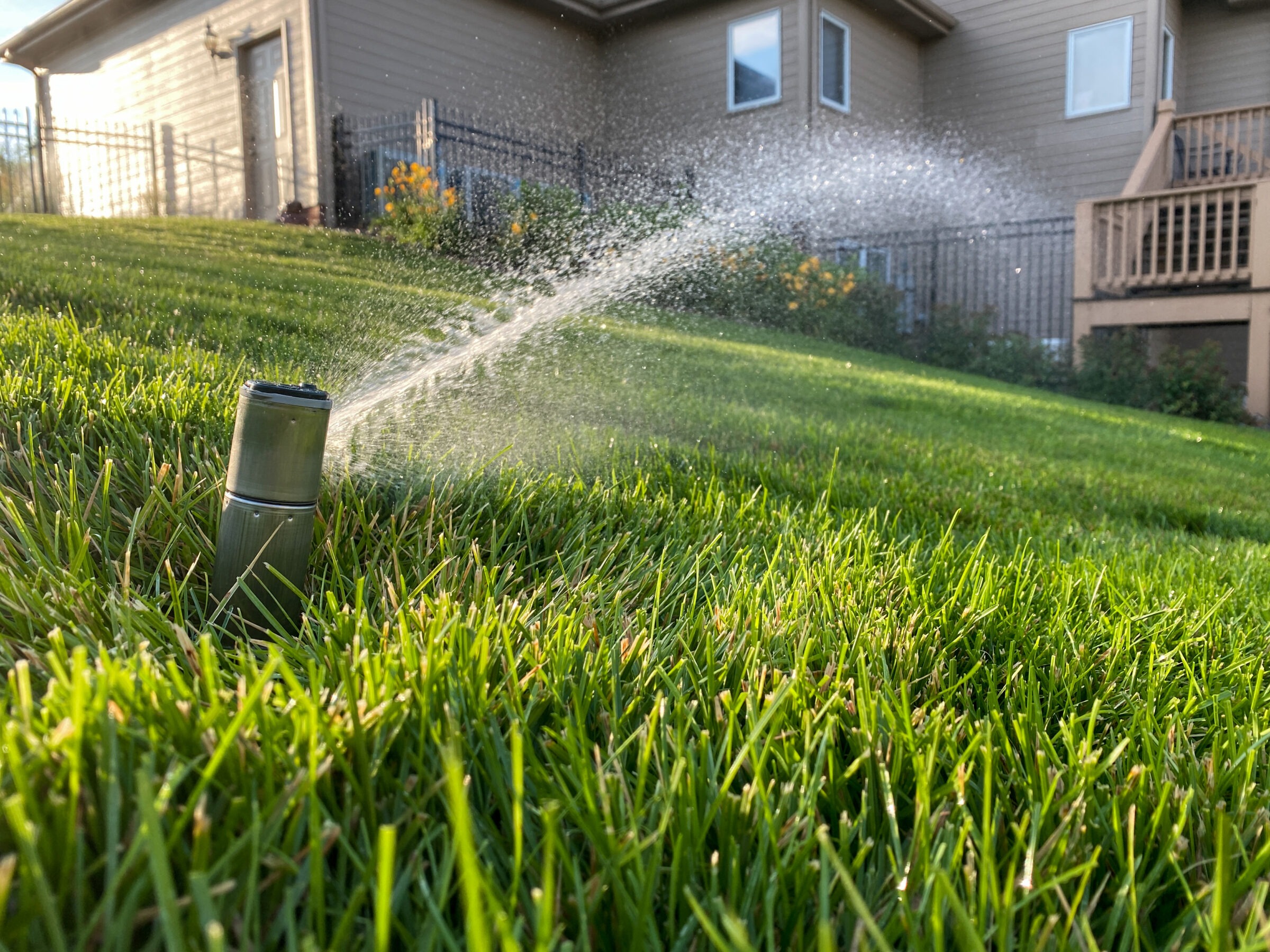
Watering by hand or dragging hoses around the yard takes time and can be inefficient. Automatic systems provide consistent moisture and free you from daily chores. Low maintenance landscaping benefits from thoughtful irrigation choices that reduce waste and support plant health.
When you invest in automatic systems, you get:
- Drip lines and soaker hoses that deliver water directly to plant roots with minimal loss.
- The ability to water during early morning to conserve moisture and encourage deep root growth.
- Modern controllers that adjust schedules based on weather and soil moisture, preventing over‑watering and saving money.
- Sensors like rain gauges and soil probes that stop irrigation when moisture levels are adequate.
For installation and maintenance, keep these tips in mind:
- Lay drip lines or soaker hoses under mulch and place emitters near individual plants.
- Space emitters more widely in heavier soils and flush lines periodically to prevent clogging.
- Pair irrigation zones with similar plant needs to ensure each area receives the right amount of water.
By using these practices, you streamline watering and maintain a healthy, resilient landscape.
How Do You Reduce Lawn Areas & Use Hardscape?
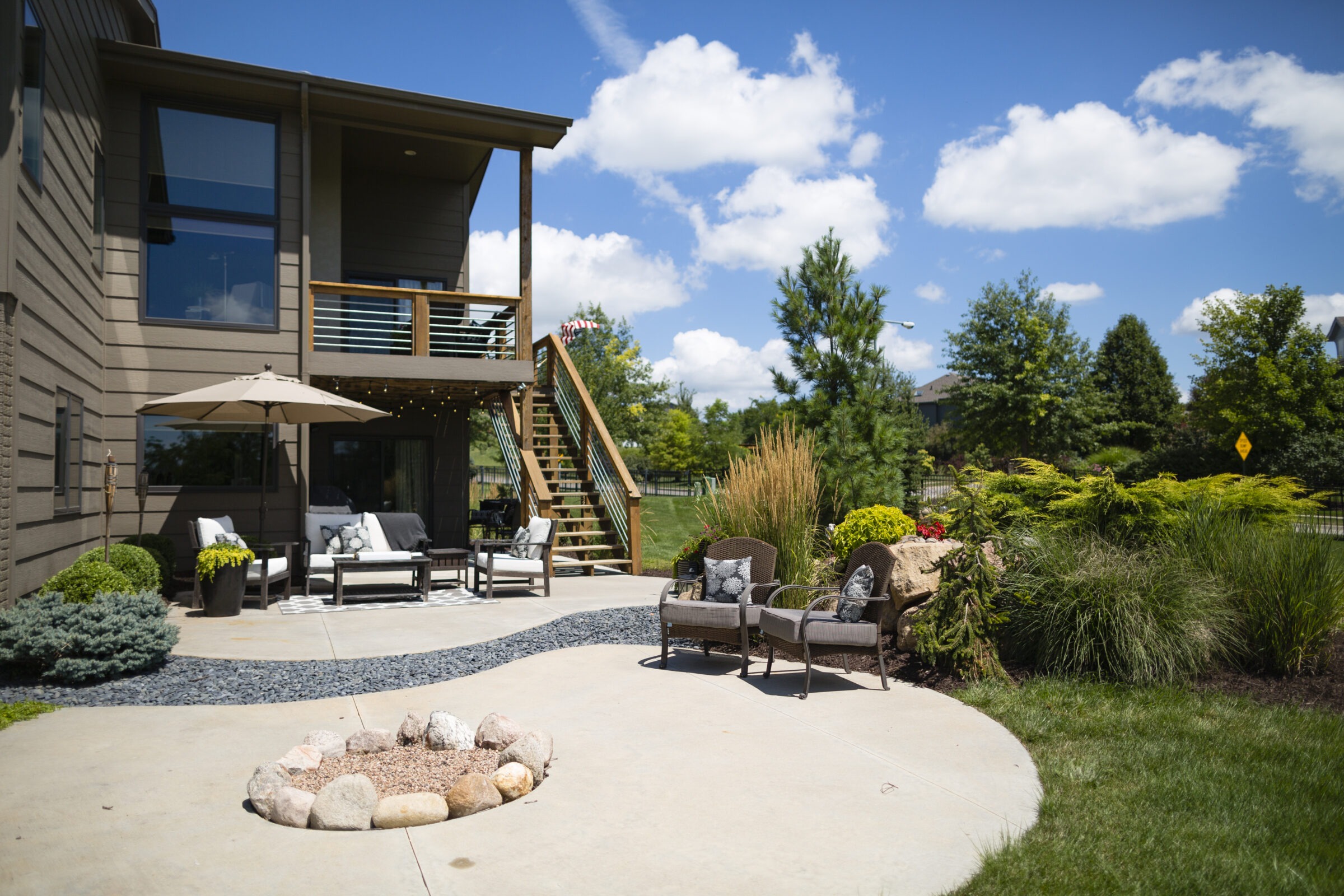
Traditional lawns demand regular mowing, fertilizing, and watering. Reducing lawn size is an effective way to lower maintenance and water use.
Grass provides a soft place for play, but it can dominate your yard and your schedule. By shrinking turf areas, you free up space for planting beds, seating areas, or pathways. Smaller lawns are also easier to mow and irrigate, reducing time and expense. If you still want a green patch, choose a drought‑tolerant grass blend, mow high, and water deeply but infrequently.
Incorporating Hardscape Elements
Hardscape features such as patios, decks, walkways, and retaining walls add structure and usability to your yard. Stone or brick patios offer surfaces for dining and relaxation without needing weekly upkeep. Permeable pavers allow rain to seep into the ground, supporting groundwater recharge and reducing runoff. A well‑placed bench or fire pit becomes a gathering spot that requires no watering. When integrated with low-maintenance landscaping plants, hardscapes create a cohesive outdoor room.
Guidelines For Hardscape Success
Select durable materials that suit your home’s style and handle our weather. Use permeable surfaces like gravel or pavers to encourage drainage and reduce puddles. A few well‑placed curves in paths or a small rain garden can soften lines and manage runoff. These features add long‑term value and enjoyment while keeping maintenance manageable.
What Seasonal Care & Maintenance Is Needed?
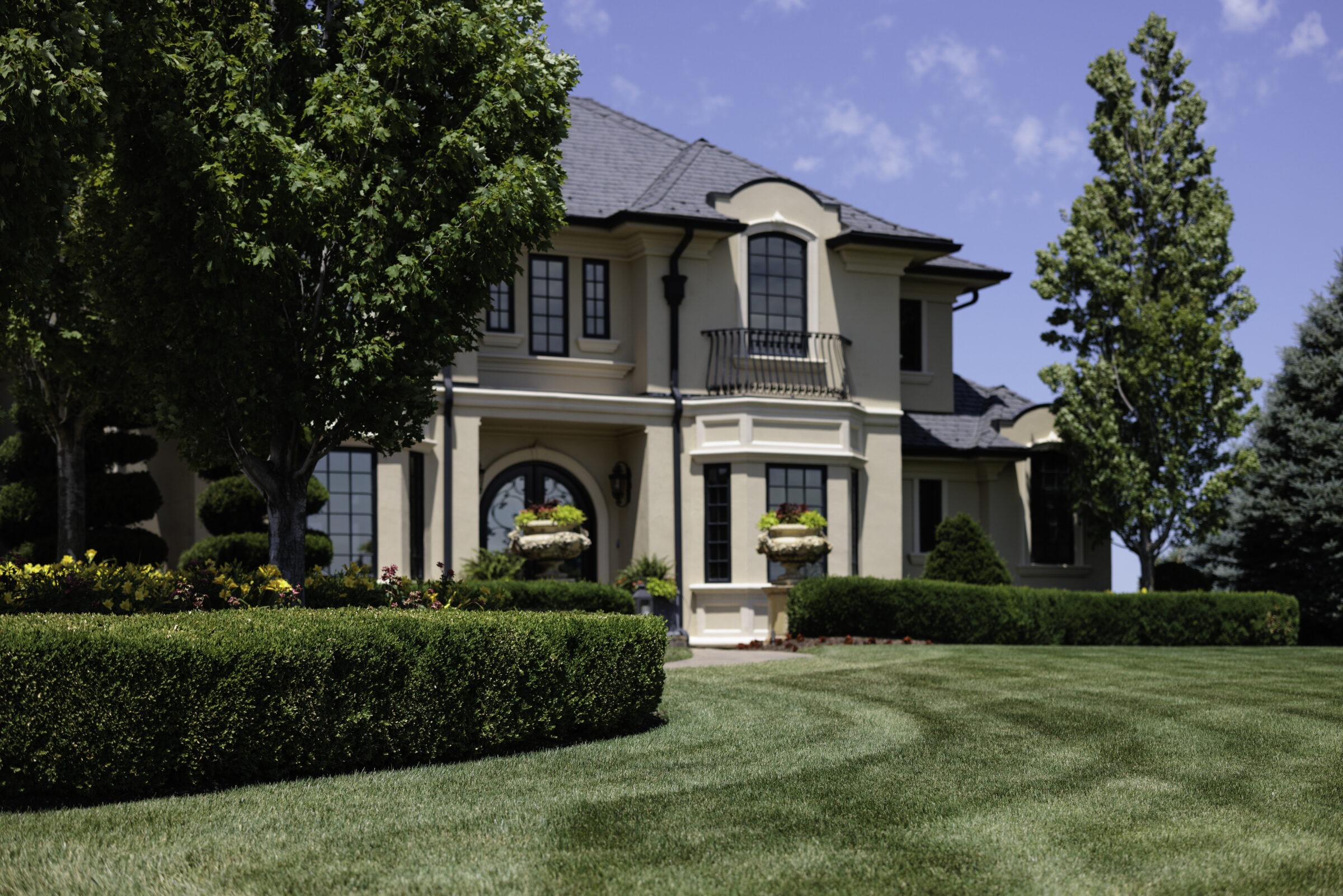
Even the most thoughtfully planned yard needs some care. However, with the right practices, you can keep this work to a minimum.
Lawn & Mowing Tips
If you keep a small lawn, set your mower high, leave clippings behind, and water deeply once a week or less. Tall grass shades soil, reduces weeds, and encourages strong roots. Aerate compacted areas and top‑dress with compost to improve water retention.
Soil Health & Fertilization
Healthy soil is the backbone of low-maintenance landscaping. Add compost each year and use slow‑release or organic fertilizers sparingly. Over‑fertilizing leads to rapid growth that needs more care. Test your soil occasionally to fine‑tune nutrient applications. With good soil, plants grow stronger and naturally resist pests.
Natural Pest Management
Include a variety of flowering plants to attract beneficial insects like ladybugs and lacewings. Avoid chemicals unless absolutely necessary; many pests can be controlled by handpicking or targeted organic treatments. Good spacing improves air circulation and reduces disease. Keeping plants healthy is the most effective defence.
Cut back spent perennials, clear fallen leaves, mulch tender plants, and drain irrigation lines before winter. These simple tasks protect roots from frost and help your landscape start strong in spring.
Partnering With Sun Valley Landscaping
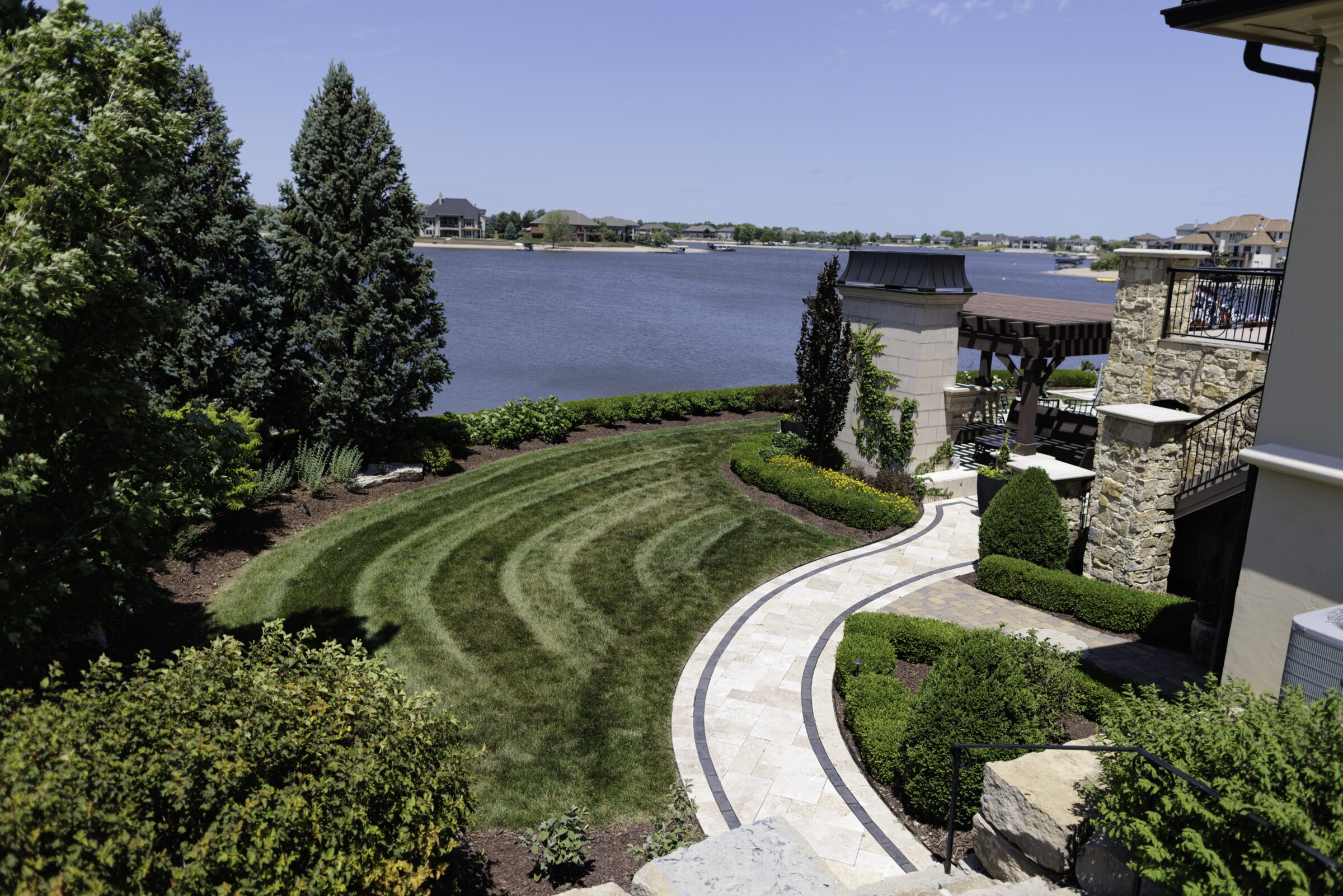
Creating a yard that thrives without constant attention can feel daunting. Partnering with a professional landscaping company gives you the benefit of experience and technical know‑how. At Sun Valley Landscaping, we believe your outdoor space should work for you, not against you. Our team has been serving Omaha homeowners for decades, and our roots run deep in the local community. With a heritage grounded in farming and a love of the outdoors, our founders have always valued hard work, honesty, and service.
What sets us apart is how we communicate and care for our clients. From the first consultation to the final walkthrough, you can expect proactive communication. We listen to your needs, provide clear updates, and answer questions promptly. Our proactive solutions anticipate challenges such as drainage or plant health issues before they become problems. We invest in advanced training for our staff to stay current on irrigation technology, soil science, and plant care. This expertise means you receive guidance tailored to your yard and lifestyle.
Transparency is at the heart of everything we do. You receive a detailed proposal outlining investment and services, so there are no surprises. We offer warranties on plant material and workmanship because we stand behind our work. When you entrust us with your landscape, you gain a partner committed to fairness, dependability, and quality.
If you’re ready to reclaim your weekends and enjoy a beautiful yard without endless chores, we invite you to get in touch. Let’s discuss how low-maintenance landscaping can bring lasting beauty to your home and give you the freedom to enjoy your outdoor space. Contact Sun Valley Landscaping today to schedule a consultation and make your vision a reality.
Summary
Creating a beautiful yard in Omaha doesn’t require work hours each week. Low-maintenance landscaping focuses on plants and practices that suit the local climate. Choose drought‑tolerant species like fescues and native perennials; mulch beds and ground covers conserve water and suppress weeds. Automated irrigation systems deliver water efficiently, especially when paired with smart controllers and moisture sensors. Reducing lawn areas and adding hardscape features cuts mowing and watering. Simple care routines, such as mowing high and mulching, support plant health. Selecting a professional landscape partner who communicates clearly, offers proactive solutions, and provides warranties ensures lasting satisfaction. Your yard can be a place of enjoyment rather than work, thanks to thoughtful planning and sustainable choices.
Tags: