

Defending Your Lawn: Prevention Tips For Common Omaha Pests

Your lush green yard is not just a piece of land; it’s a living carpet that adds beauty and value to your home. Unfortunately, lawn pests in Omaha can turn that carpet into a patchy mess. The problem begins when you notice irregular brown patches or see beetles chewing on leaves. It may feel like these invaders appear overnight, but their damage starts long before you see them.
Ignoring the early signs can lead to severe turf and plant damage. Grubs chew roots until the grass lifts like old carpet. Bagworms strip evergreens, leaving them brown and brittle. Japanese beetles skeletonize leaves, and fungus can ravage otherwise healthy grass.
Pests attract predators, increase weed invasion, and force you to spend time and money on repairs. As the hot, humid Omaha summer progresses, these issues multiply. You might even think about pulling up sections of lawn in frustration.
This guide will help you fight back and keep your yard healthy. With practical strategies tailored to lawn pests in Omaha, you will learn how to identify pests early, apply preventative care, and maintain a resilient yard.
What Makes Omaha Lawns Vulnerable To Lawn Pests?
Grass in eastern Nebraska grows in a climate of hot summers and cold winters. Cool-season grasses like Kentucky bluegrass and tall fescue thrive here, but they also provide a food source for larvae and insects. Your lawn becomes vulnerable when conditions favor pests.
During wet springs and hot summers, pests emerge in large numbers.
For example, Japanese beetle numbers peak around five to eight years after they arrive in an area and then gradually decline. Newly sodden lawns with frequent fertilization and watering are most prone to lawn pests in Omaha, particularly white grubs, while tall fescue lawns tend to have fewer issues.
Excessive nitrogen fertilizer can invite certain fungal diseases, and poor drainage creates humidity that fungi love. Dormant lawns or those with thin turf provide less competition for weeds and pests. Understanding these conditions helps you anticipate problems before they spiral out of control.
Soil & Water Factors
Healthy soil supports strong roots that resist pests. Compacted soil, heavy thatch, and over‑watering weaken turf and create the perfect environment for diseases like brown patch and summer patch. These fungi thrive in hot, wet weather, especially when lawns receive high nitrogen fertilization.
Keeping thatch under half an inch, aerating compacted areas, and watering deeply but infrequently will support resilient roots.
Host Plants & Local Vegetation
Many insects feed on particular plant species.
Japanese beetles, for instance, love roses, lindens, and fruit trees, but are less attracted to boxelder maple and shagbark hickory. Bagworms favor junipers and evergreens but will also attack deciduous trees.
Knowing which plants attract pests allows you to design landscapes that naturally reduce infestations.
Seasonal Timing
Most pests follow predictable life cycles. Grubs start feeding on roots in early summer, bagworm eggs hatch in late May and early June, and Japanese beetles emerge from the soil in late June.
Understanding these timelines helps you plan preventative measures. Lawn pests in Omaha remind you that these issues are tied to local climate patterns; staying ahead of them is the first step in control.
Which Grub Control Practices Work Best?

White grubs are the larvae of beetles like masked chafers and Japanese beetles. They are off‑white, C‑shaped larvae with brown heads that feed on roots. While a few grubs per square foot are normal and do not cause major damage, higher populations can kill patches of turf.
To keep grubs in check, follow these proven best lawn care practices:
- Spot Treat High‑Risk Areas: Apply preventive insecticides only to areas with a history of grub damage. This approach saves money and protects beneficial insects.
- Apply Preventive Products In Late June: Insecticides containing imidacloprid, chlorantraniliprole or halofenozide work best when applied in late June. Water them into the soil to ensure they reach the grub zone.
- Rescue Treatments: If you find heavy damage in August or September, use carbaryl or Dylox for quick knockdown.
- Maintain Healthy Turf: Tall fescue lawns rarely need preventive treatment because they naturally resist grub damage. Maintaining mowing height and proper irrigation will encourage deep roots, making it harder for grubs to cause noticeable damage.
How Do Bagworms Affect Your Landscape?
Bagworms are caterpillar pests that build a protective case or “bag” using silk and plant material. They feed heavily on evergreens like juniper and arborvitae and can also attack deciduous trees. Heavy infestations can defoliate evergreens, slow growth, and even kill them.
Life Cycle & Identification
Bagworm eggs overwinter inside the bags attached to branches. In late May and early June, tiny larvae emerge. They spin silk threads and are often carried by the wind to nearby plants. Once settled, larvae create new bags around themselves.
Mature bagworms are small; their bags can hold hundreds of eggs. Adult males emerge in September as small moths, while females remain wingless and never leave the bag.
Control Strategies
Managing bagworms requires timing. You can significantly reduce populations by removing and destroying bags before late May, which prevents eggs from hatching. When chemical control is necessary, aim treatments at young larvae in mid- to late June.
Bacillus thuringiensis (Bt) products like Dipel or Thuricide, and insecticides such as acephate, carbaryl and permethrin, are effective when sprayed thoroughly. Always follow label directions and cover affected plants completely to ensure larvae ingest the product. Late‑season sprays have little effect because larvae stop feeding as they prepare to pupate.
Bagworms remind us that lawn pests in Omaha can impact turf and ornamental plants. Regular inspection and timely action will keep their numbers low and protect valuable evergreens.
Why Do Japanese Beetles Cause Lawn Damage?
Japanese beetles are an invasive species that feed on more than 300 plant types. Adults are metallic green with copper wing covers, about half an inch long, and have five white tufts of hair along each side. Immature beetles are white grubs that live in the soil and chew roots.
Adults emerge from the soil in late June and feed through early August. They skeletonize leaves by eating tissue between the veins, leaving brown, lacy remnants. This damage does not kill twigs or buds, but it stresses the plant. Favorites include linden, birch, cherry, and roses, but they will dine on many other ornamentals. As grubs, they feed on turf roots, causing brown patches in late summer.
A balanced strategy for landscape maintenance can keep lawn pests in Omaha, like Japanese beetles, from destroying your yard:
- Handpicking: For small plants, daily inspection and dropping beetles into soapy water provides effective control.
- Reduced‑Risk Pesticides: Neem, Pyola (pyrethrin and canola oil) and spinosad products kill adults for 3‑7 days and act as repellents. Apply in the evening to protect pollinators and repeat as needed.
- Conventional Insecticides: Carbaryl, bifenthrin, cyfluthrin, permethrin and lambda‑cyfluthrin offer about two weeks of protection. Two treatments during the peak flight season may be necessary. Avoid spraying when plants are blooming to protect bees.
- Grub Control: Products used for white grubs also control Japanese beetle grubs when applied mid to late June. If you miss this window and significant damage occurs, Dylox can serve as a rescue treatment.
- Avoid Traps: Do not use beetle traps advertised in magazines; they attract more beetles than they catch.
- Plant Selection: If beetle damage is persistent, consider less favored tree species like boxelder maple, hickory, and sweetgum.
How Can You Prevent Lawn Fungus Issues?
Lawn fungi like dollar spot, summer patch, brown patch, and fairy ring are common in Nebraska. They thrive under certain conditions, but cultural practices can minimise their impact.
Dollar Spot
Dollar spot appears as small tan or straw‑colored spots on the lawn during warm, moist conditions. Adequate fertilization and watering help turf outgrow dollar spot, and fungicides are only needed if the problem repeats. Keep your nitrogen schedule balanced and avoid light, frequent watering.
Summer Patch & Necrotic Ring Spot
Summer patch and related diseases infect grass roots in the spring; damage appears later as tan or brown patches. They are favored by heat and drought stress. To prevent them, maintain proper mowing height, avoid compaction, and water deeply to encourage deep roots. Improved fertilization and timely irrigation can help the turf recover.
Brown Patch
Brown patches occur in hot, wet weather and are often linked to excess nitrogen fertilizer. Symptoms include circular patches of brown or purplish grass, sometimes with a grey margin. Avoid heavy fertilization in midsummer and ensure good airflow through mowing and thatch control.
Fairy Ring
Fairy ring appears as dark green or dead rings or as mushrooms on the lawn. The fungi involved feed on organic matter in the soil, releasing nitrogen that causes rings of lush growth or areas of decay. Uniform irrigation and fertilization help blend the rings into the rest of the lawn. Fungicides often provide poor control, so focus on cultural practices.
General Disease Prevention Tips
- Balanced Fertilization: Do not overuse nitrogen; use a slow‑release product to feed consistently throughout the season.
- Proper Watering: Water early in the morning and avoid frequent shallow watering. Deep watering encourages roots to grow deeper and makes turf more resilient.
- Improve Airflow: Keep mowing height appropriate for your grass species and prune nearby shrubs to increase air circulation. This reduces humidity at the soil surface.
- Thatch Management: Dethatch when buildup exceeds half an inch. Excess thatch traps moisture and creates a breeding ground for fungi.
- Overseeding With Resistant Varieties: Choose grass cultivars that are resistant to known diseases. When renovating thin areas, overseed with improved cultivars.
When Should You Call Professionals?

Tackling lawn pests in Omaha yourself is possible when infestations are mild and you have time to monitor progress. However, several signs indicate it’s time to seek professional help:
- Persistent Damage: If grubs, bagworms or beetles return year after year despite your efforts, professional evaluation can uncover underlying issues.
- Large-Scale Infestations: When pests cover more than a quarter of your lawn or trees, over‑the‑counter products may not be sufficient.
- Complex Symptoms: Sometimes multiple pests or diseases occur simultaneously. An expert can correctly diagnose the problem and design an integrated plan.
- Time Constraints: Proper pest management requires regular monitoring and precise timing. If your schedule is busy, hiring professionals ensures treatments occur at the right stages.
Sun Valley Landscaping offers experience‑oriented, proactive solutions that address all aspects of pest management. Our team has advanced training in Nebraska’s pest pressures, and we communicate clearly about costs and expectations. With our support, you get peace of mind knowing your lawn and landscape are protected by a dependable partner.
Why Trust Sun Valley Landscaping For Lawn Pest Care?
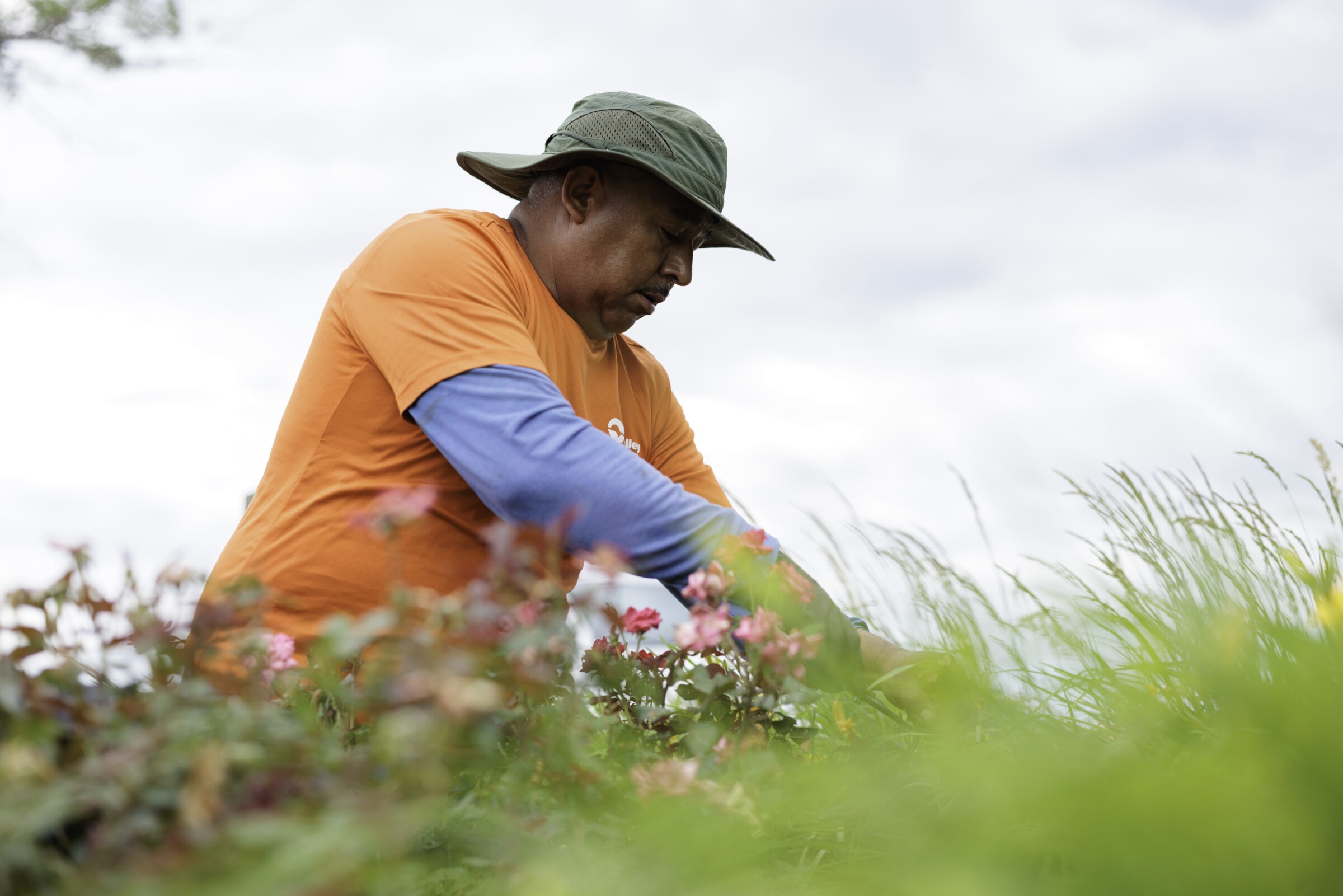
Sun Valley Landscaping does more than mow grass. Founded by Paul, whose passion for horticulture began at age 19, and Danielle, whose love of nature stems from an outdoorsy childhood, our company is rooted in the values of hard work and community service. Coming from families of farmers and blue‑collar workers, we understand the pride you take in your property and the importance of creating good jobs.
Here’s what sets our service apart:
- Proactive communication
- Proactive solutions
- Warranties on treatments with no extra costs
- Transparency of investment and services
- Advanced training regarding the latest products, equipment, and integrated pest management techniques
You deserve a landscape partner who respects your time, listens to your concerns, and values your investment. With Sun Valley Landscaping, you get more than a service; you get a dependable ally committed to maintaining a healthy, beautiful yard. If you’re ready to take the next step, contact Sun Valley Landscaping to book a consultation with our landscaping experts and discuss your pest management plan.
Summary
This guide explored the most common lawn pests that Omaha homeowners face and provided practical steps to manage them. Grubs feed on roots, but spot treatments and proper timing keep populations below damaging levels. Bagworms defoliate evergreens; hand removing bags and targeted sprays in mid‑June prevent outbreaks. Japanese beetles skeletonize leaves; handpicking, reduced‑risk pesticides, and appropriate insecticide timing offer control. Lawn fungi such as dollar spot, summer patch, brown patch, and fairy ring can be minimised through balanced fertilization, proper watering, and thatch management. Finally, the article emphasised when to seek professional help and highlighted how Sun Valley Landscaping’s proactive communication, warranties, and advanced training make them a trusted partner for pest management.
Tags: